Almost There!

As of Tuesday

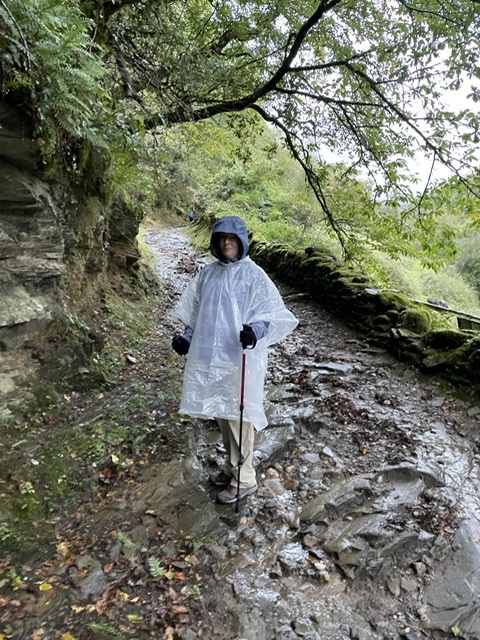
Almost there! We hear these same words from everyone we talk to. We are all exhausted but still excited to get to the end. We’ve been on this journey since September 1. Our blisters have healed, and turned to calluses; our aches have increased or miraculously disappeared; our socks, pants, shorts and shirts are soiled and torn; our spirits have dragged at times through the rain and rougher climbs but have been lifted by cheery conversation with new found friends. The walk will soon be over but the experience and memories will stay with us forever.

More Interesting Food

We continue to see and experience new things. Galicia is known for serving delicious cooked octopus (pulpo) and there are several resaurants dedicated to the savory dish. We sampled pulpo in a buttery garlic sauce and were pleased with the meaty texture and delicate taste.

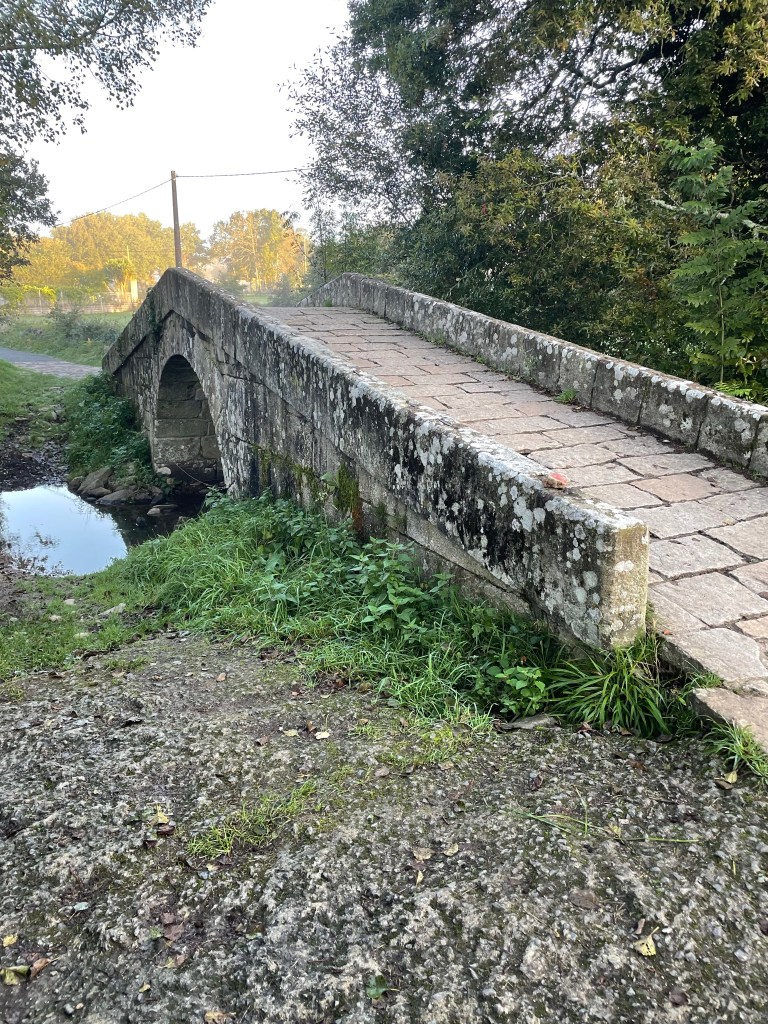
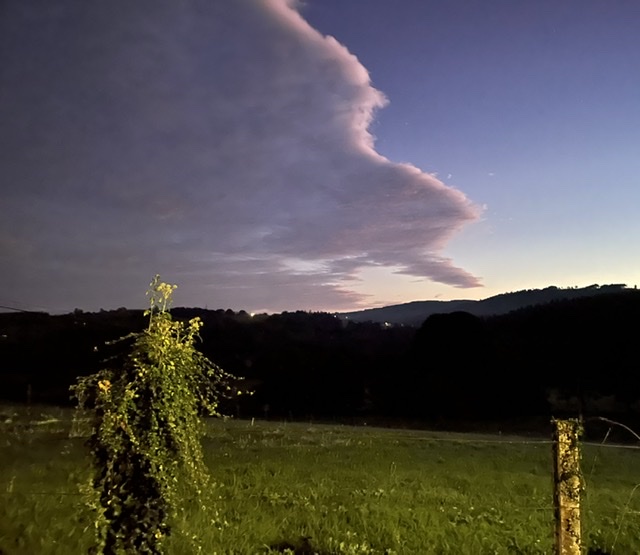
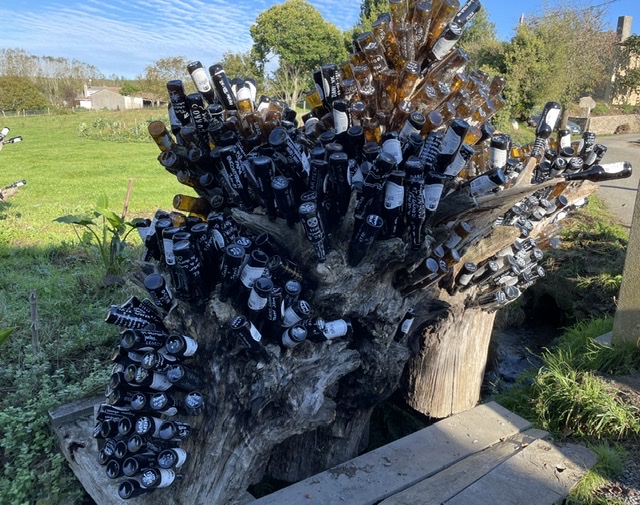
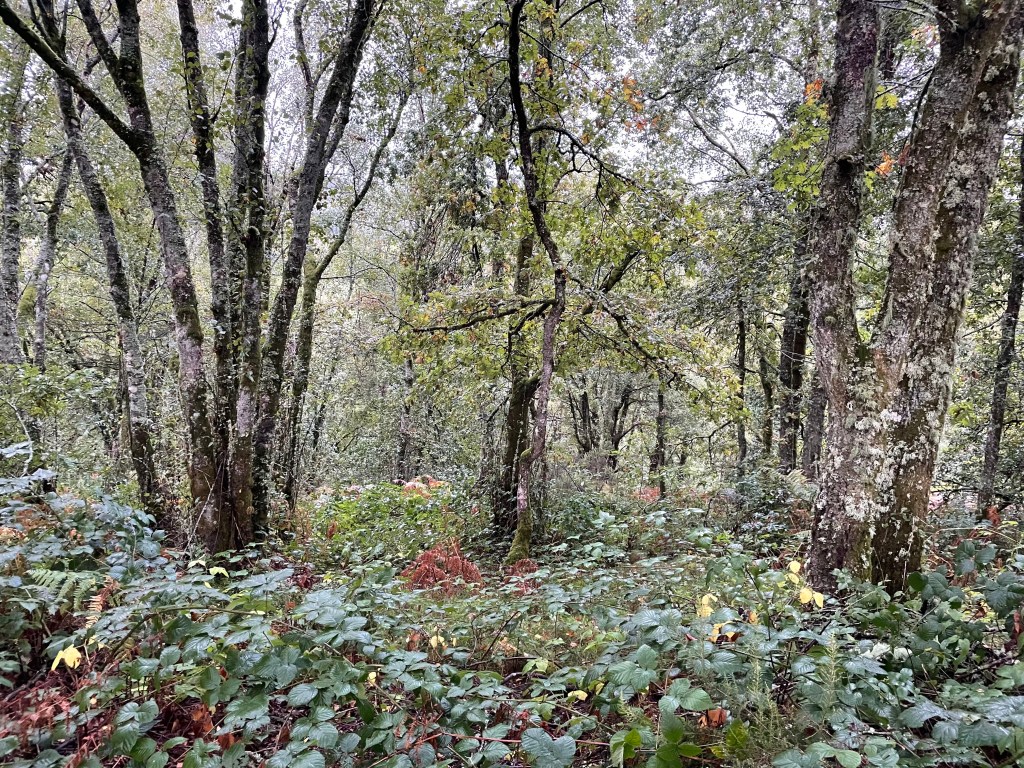
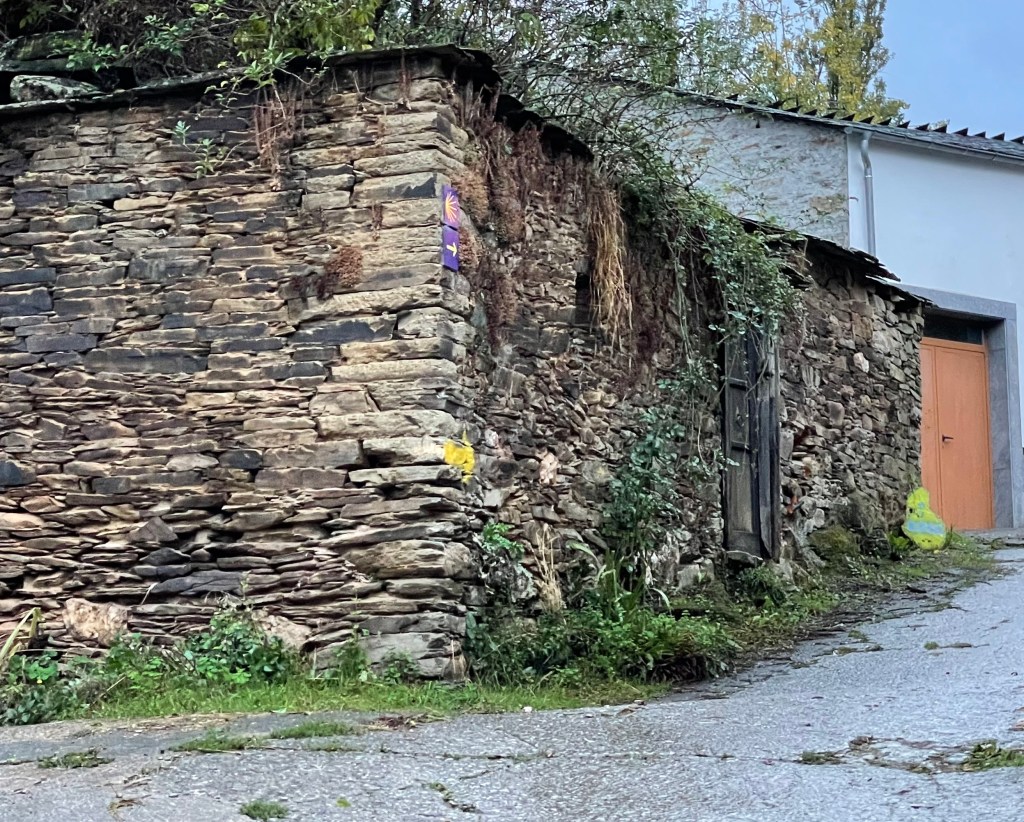
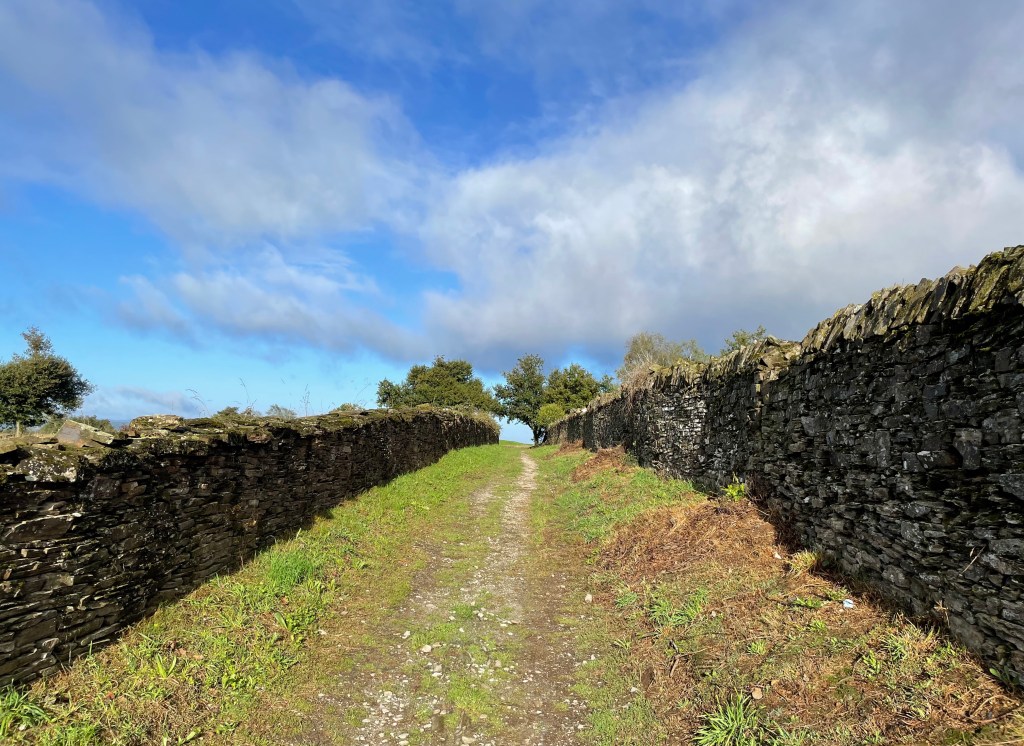
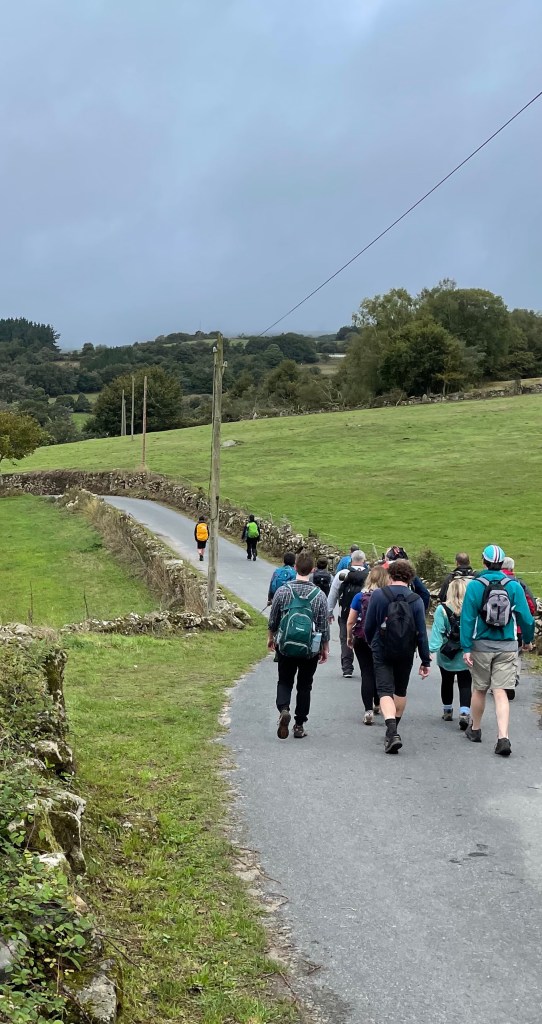
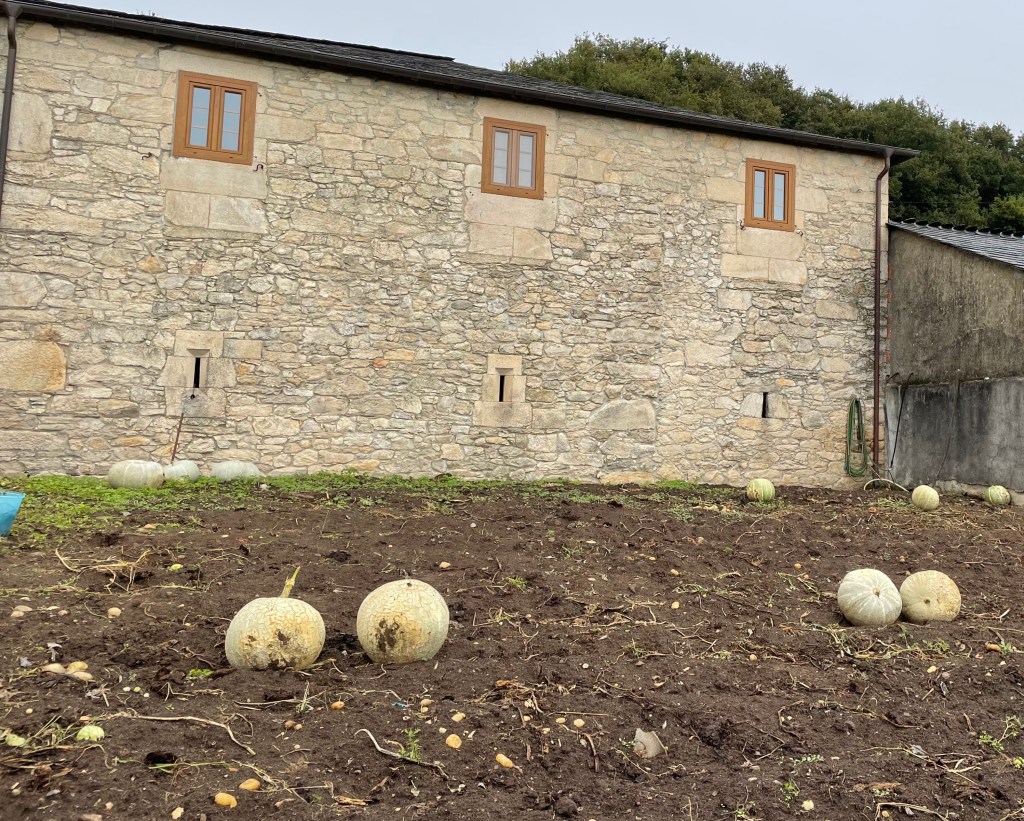
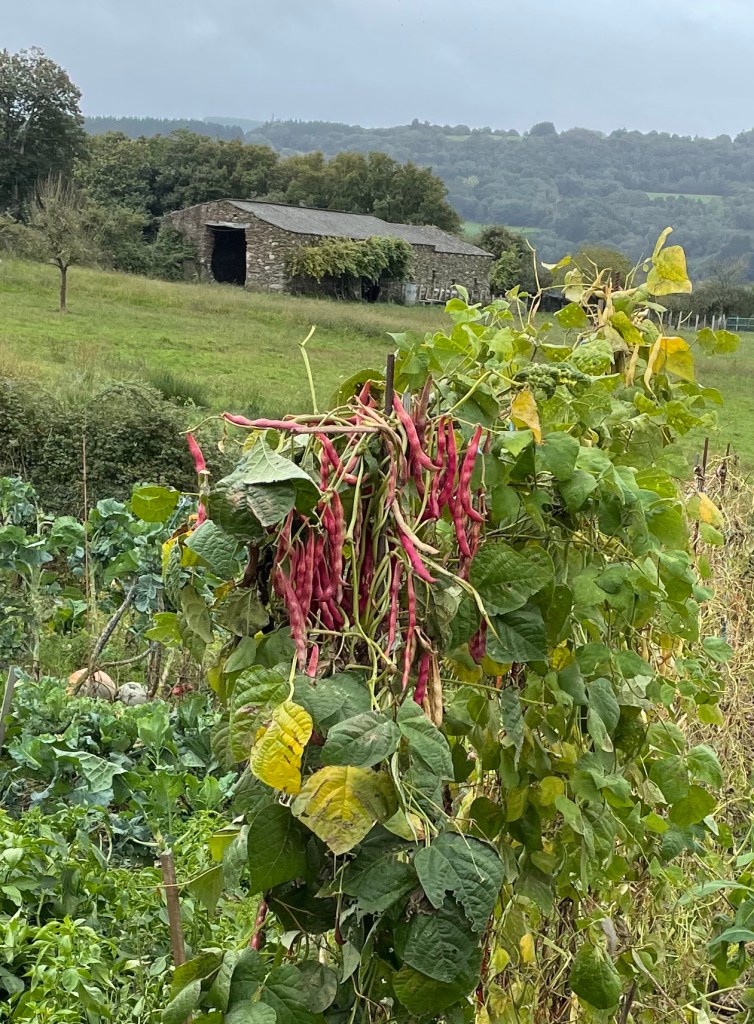
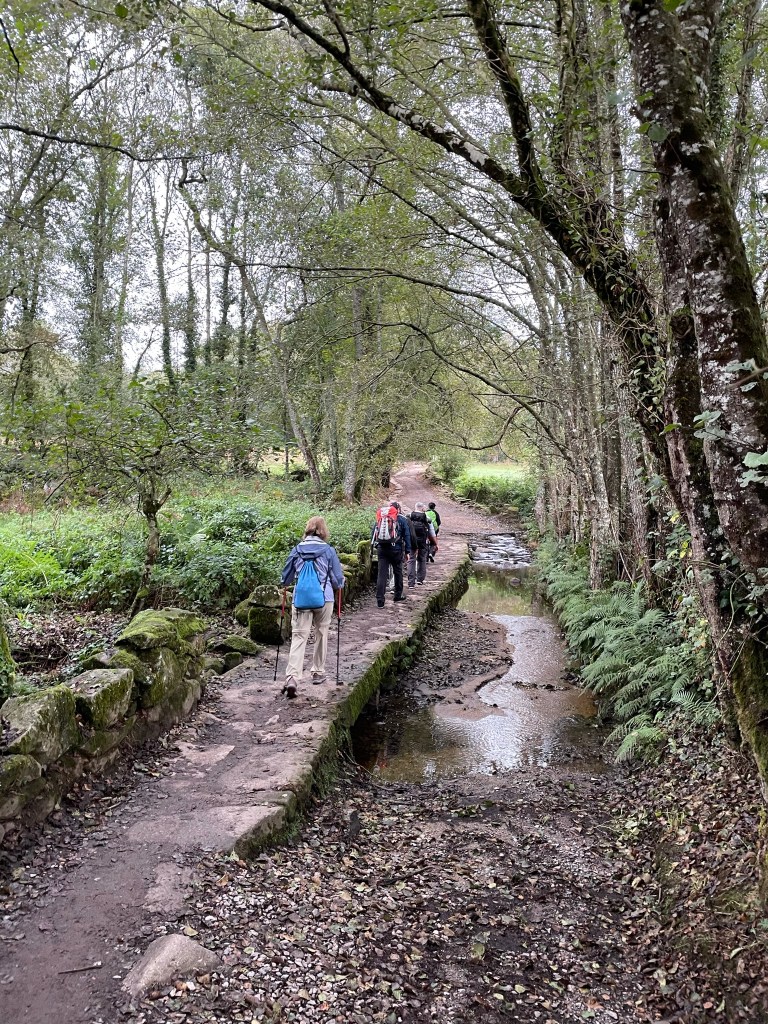
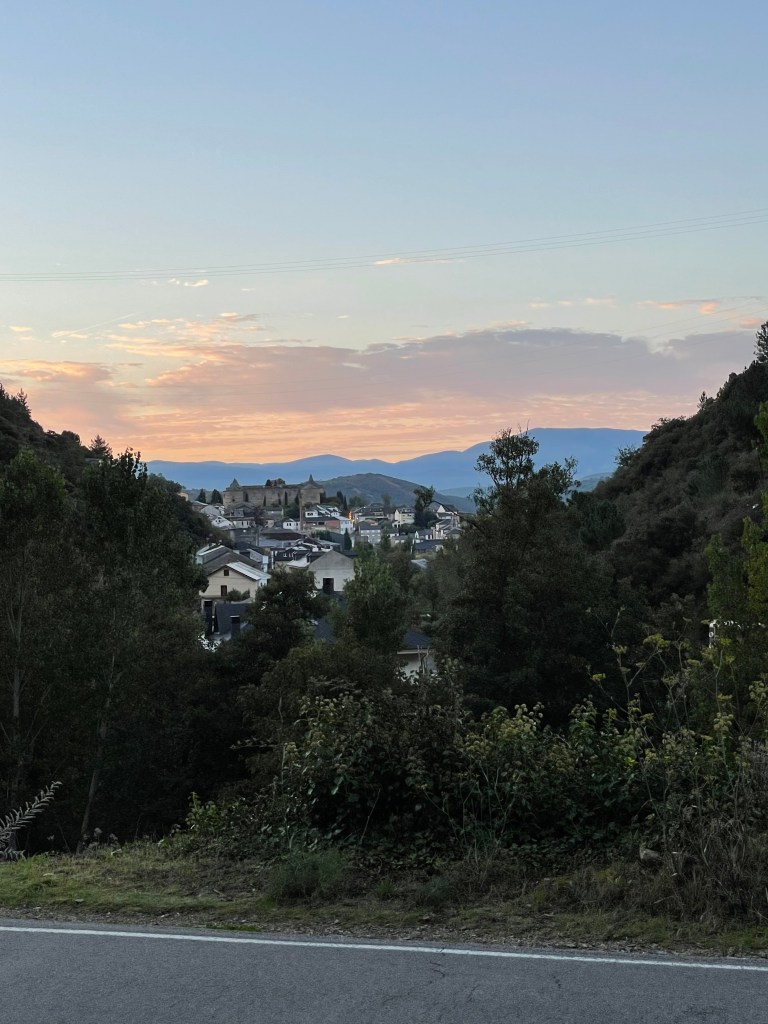
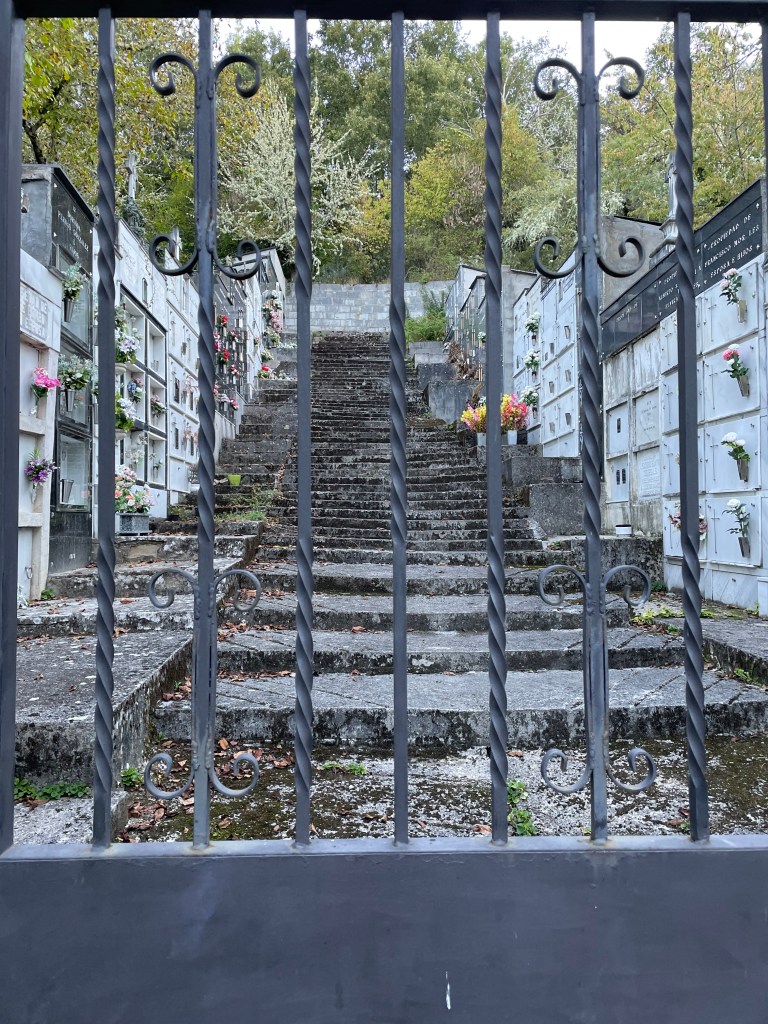
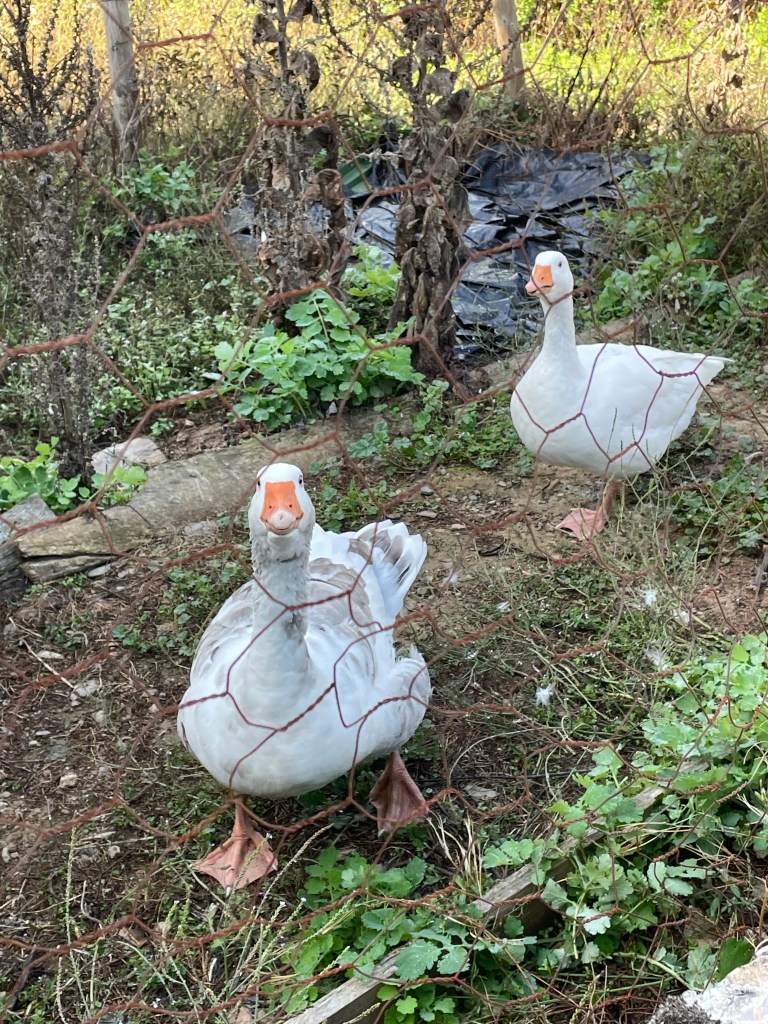
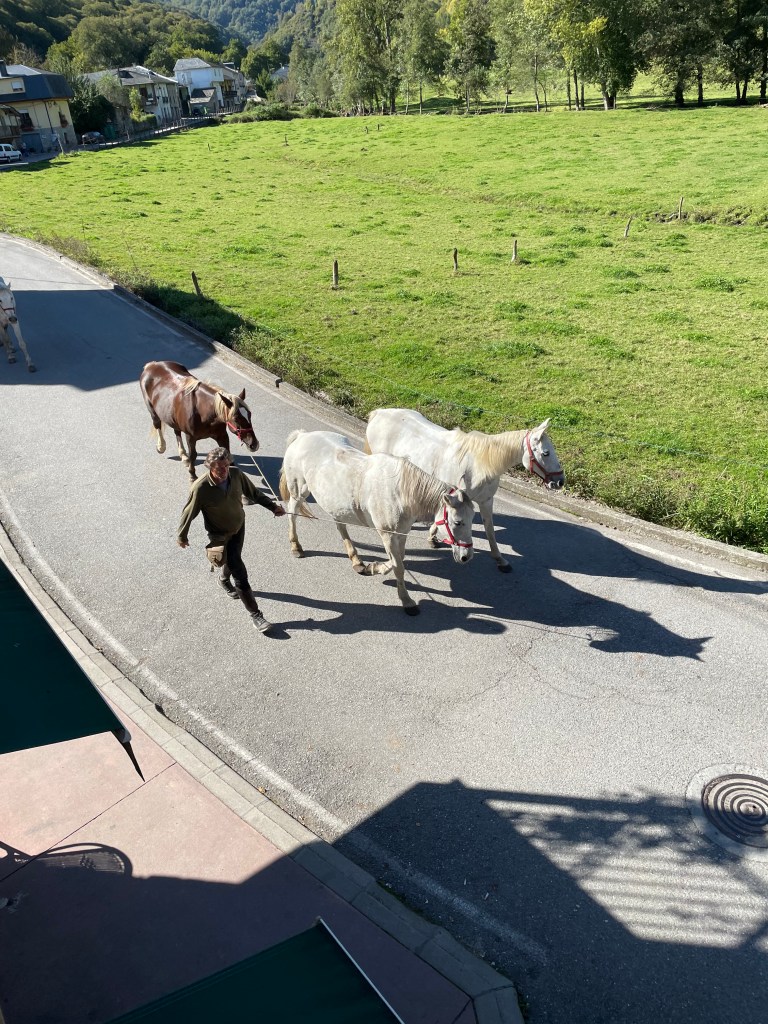
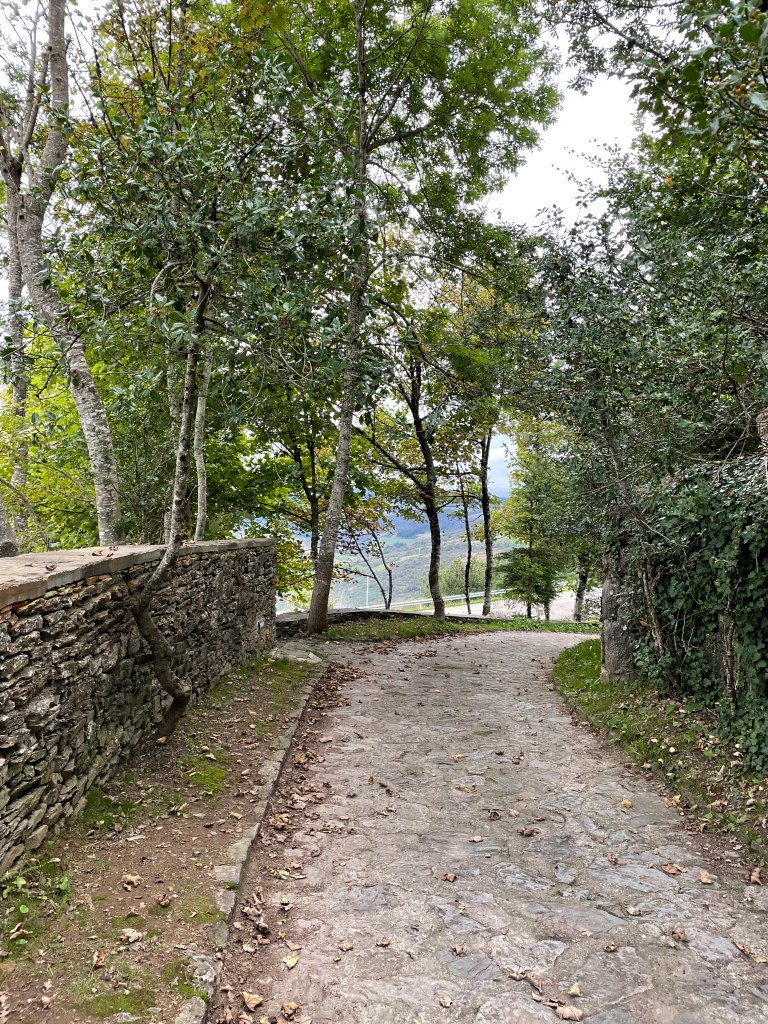
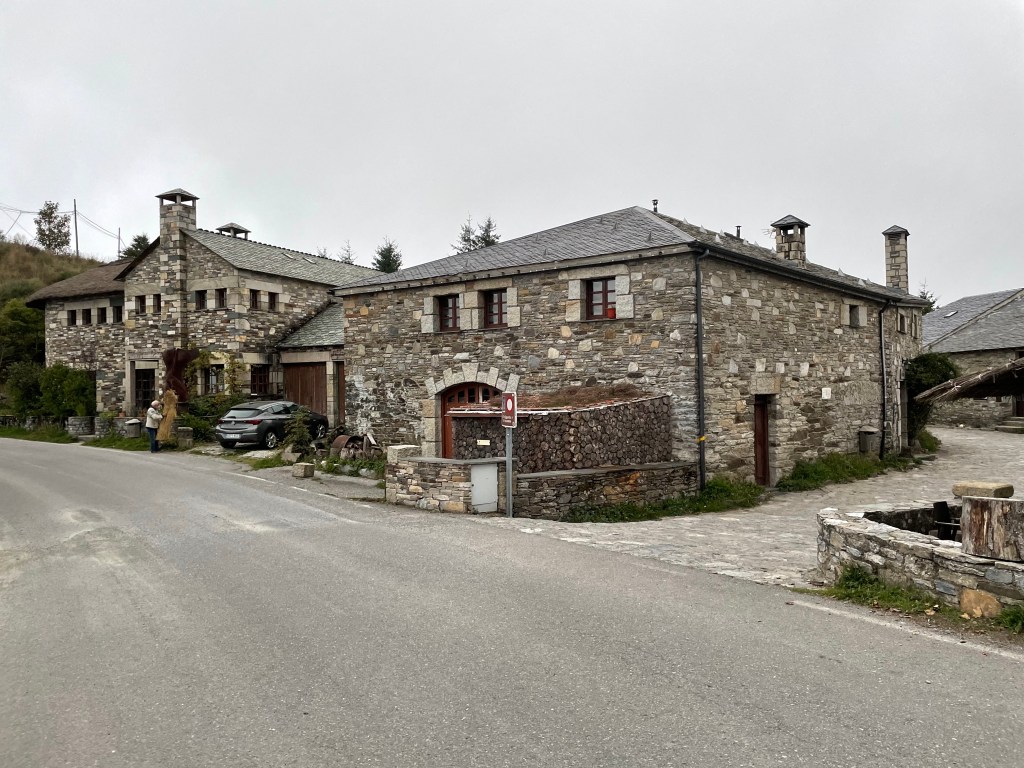
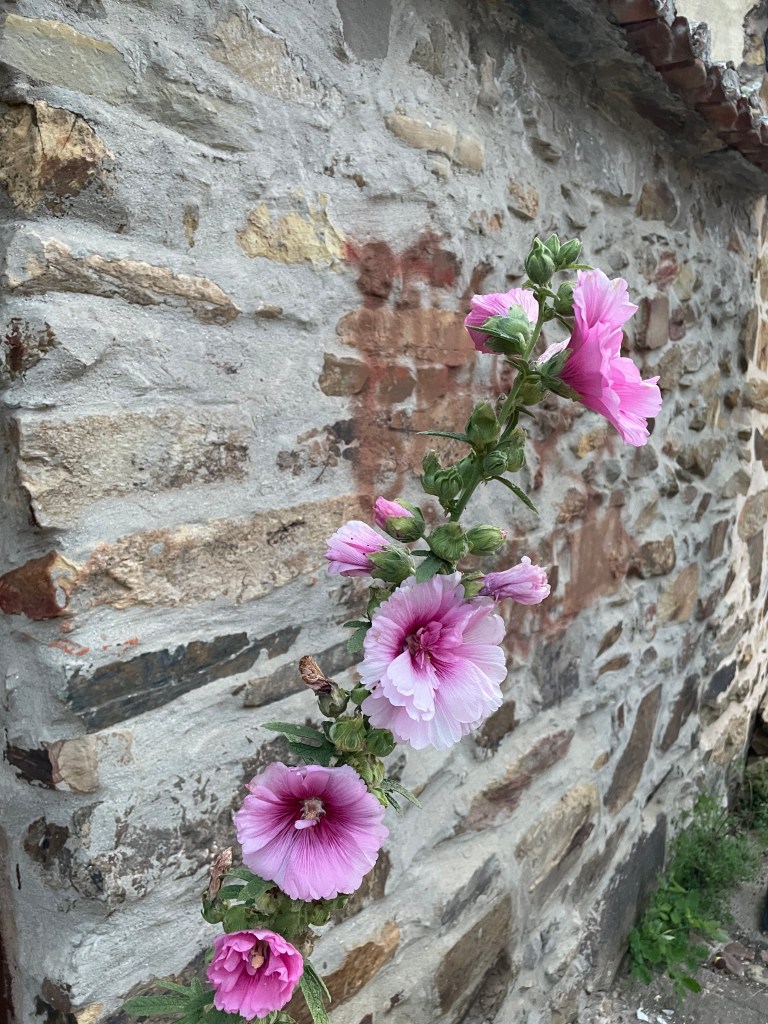
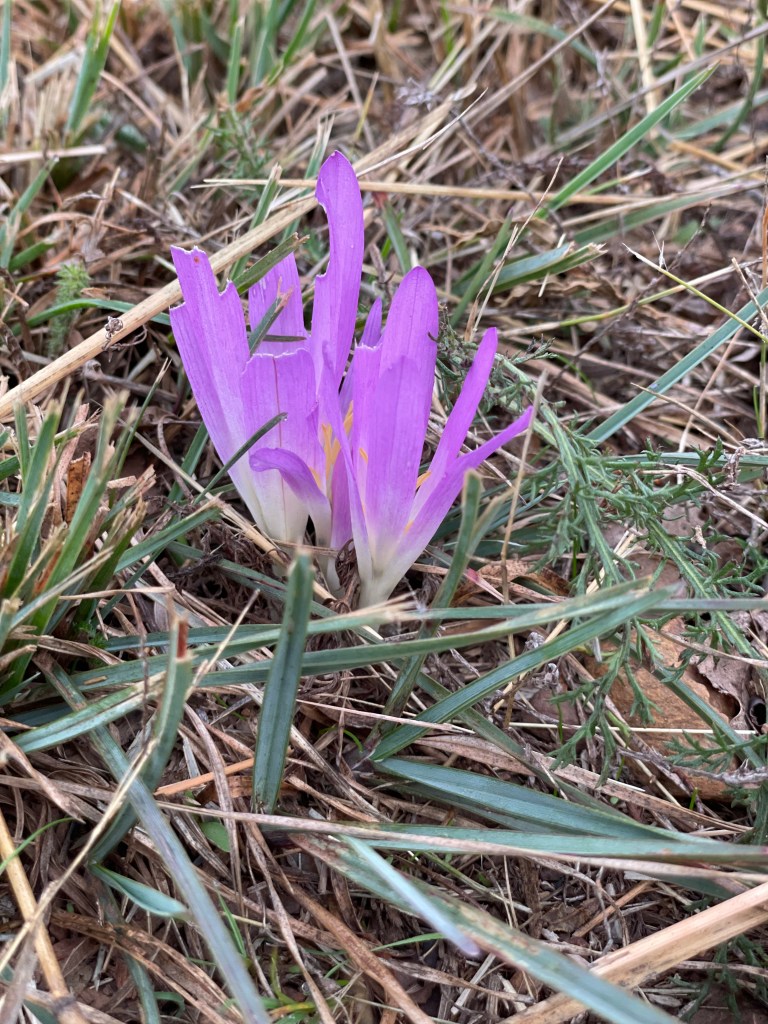
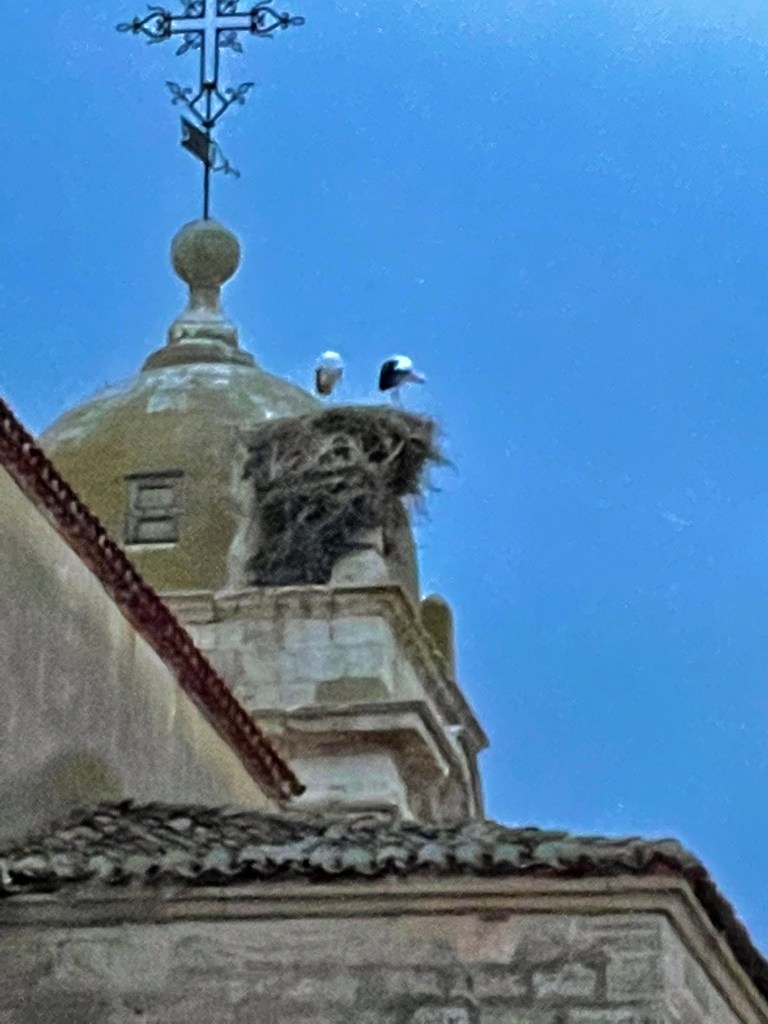
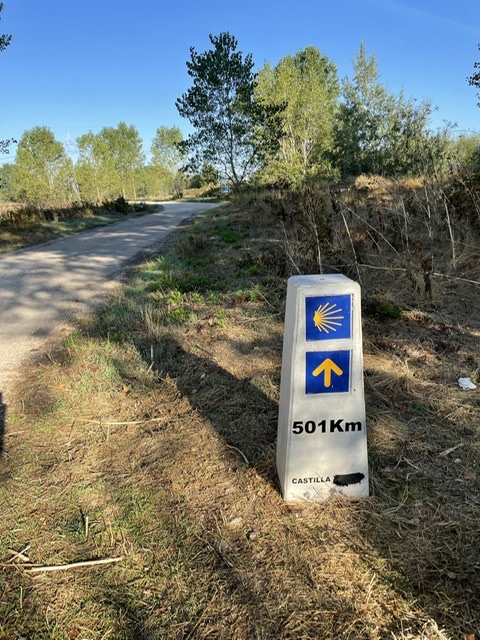
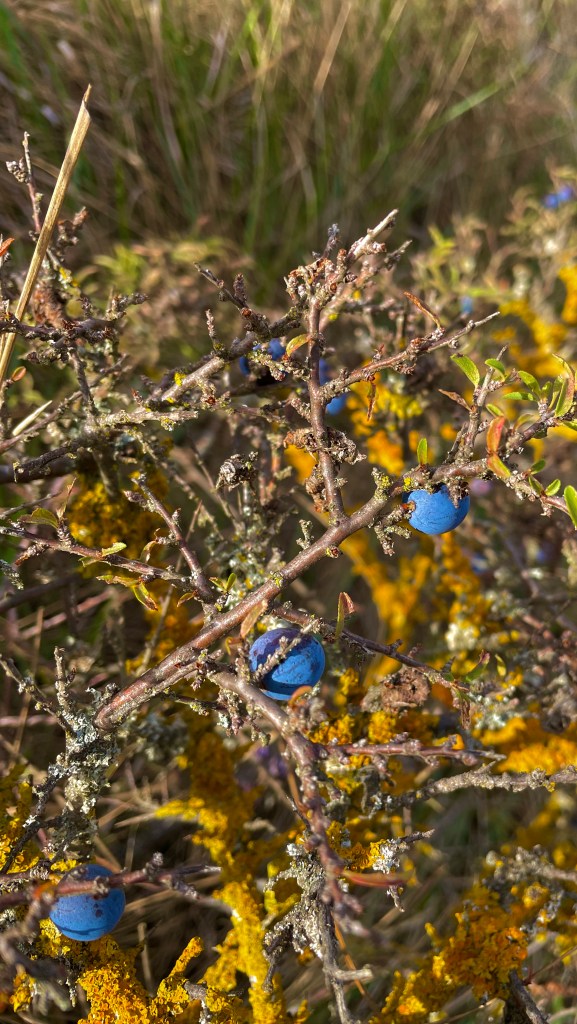
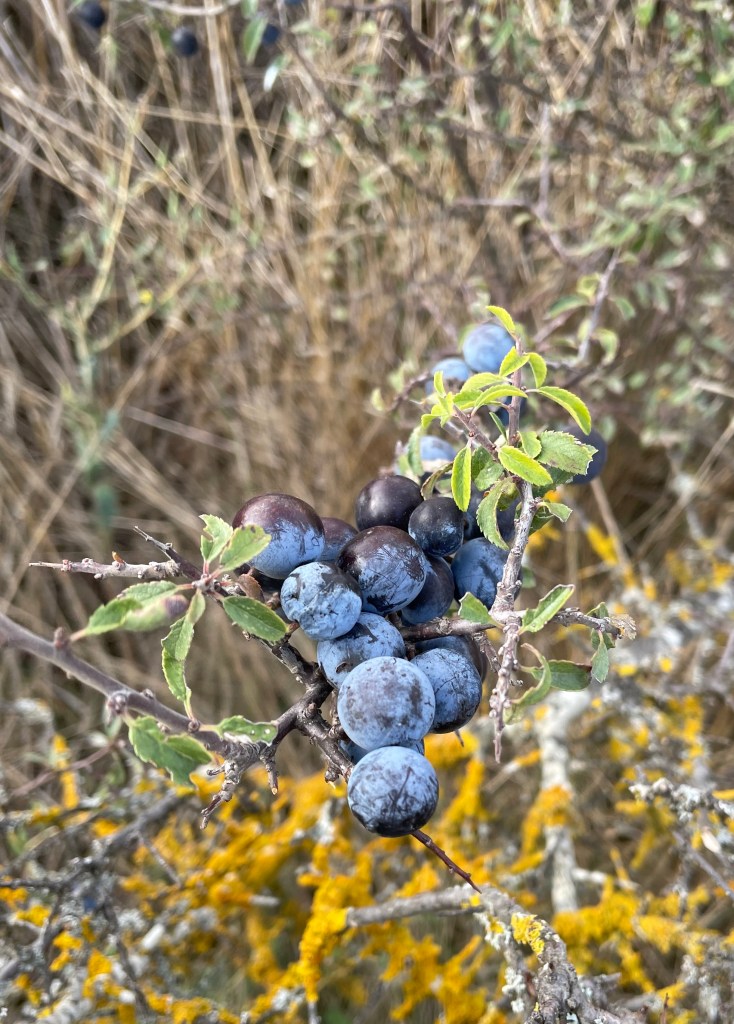
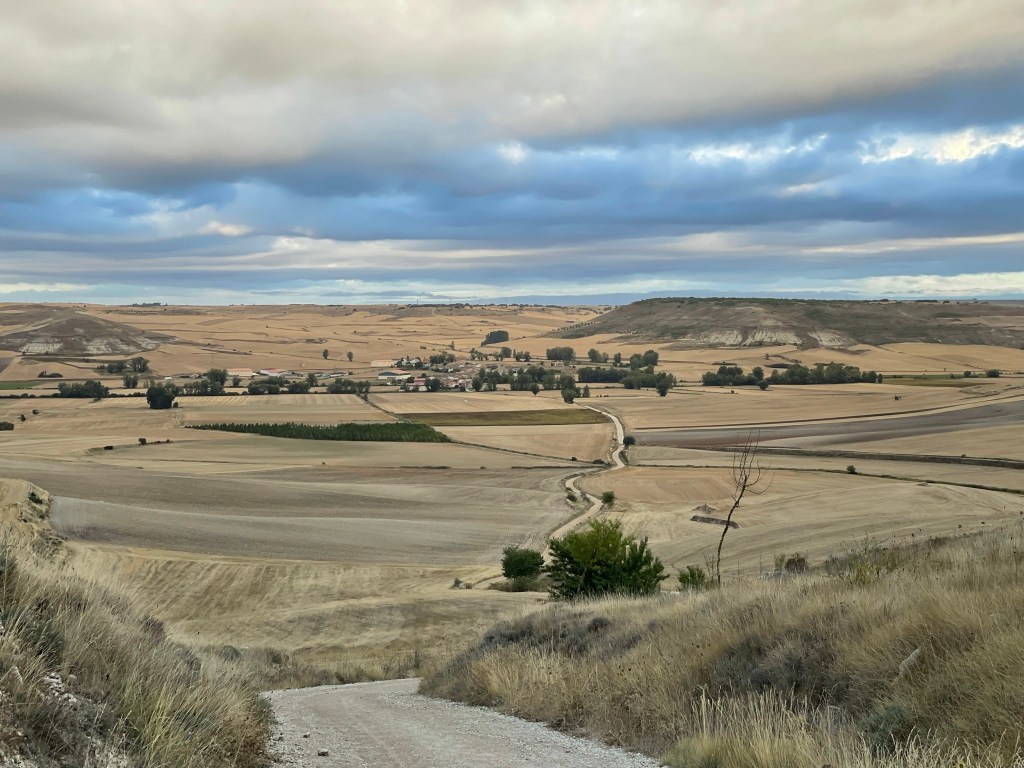
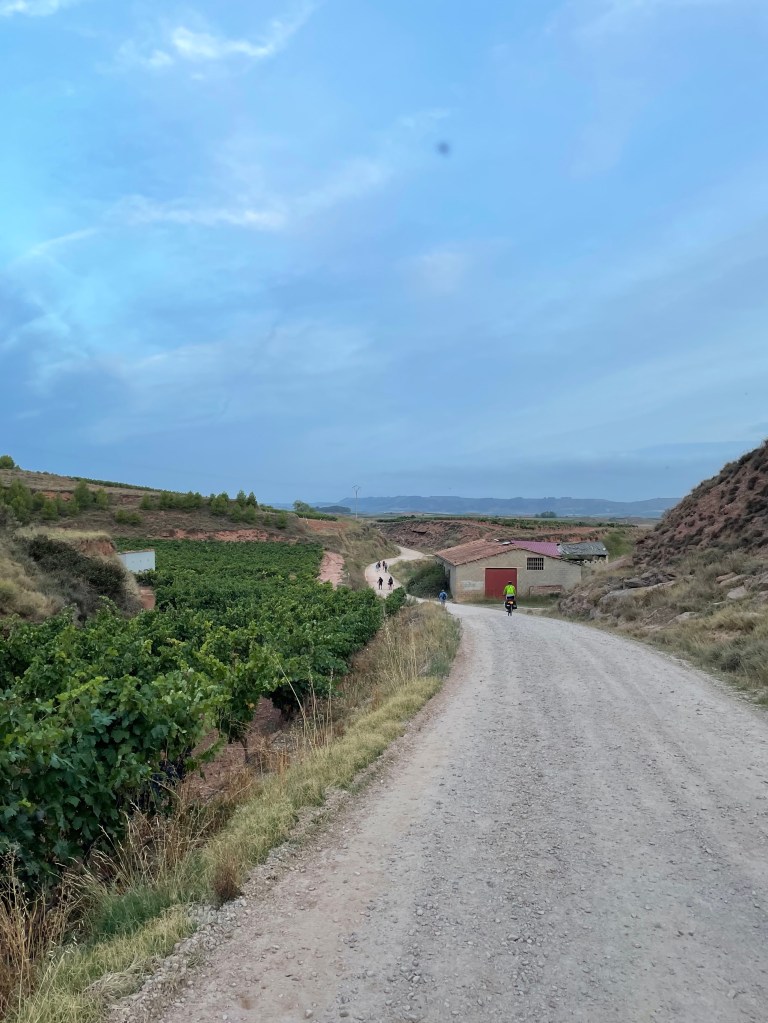
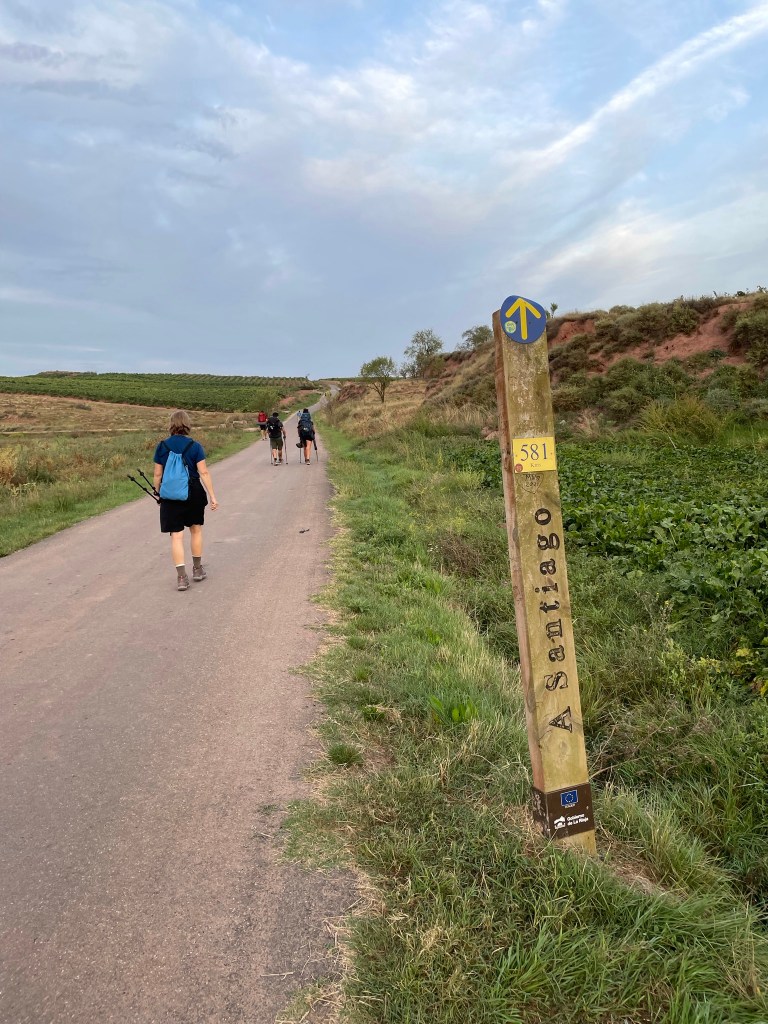
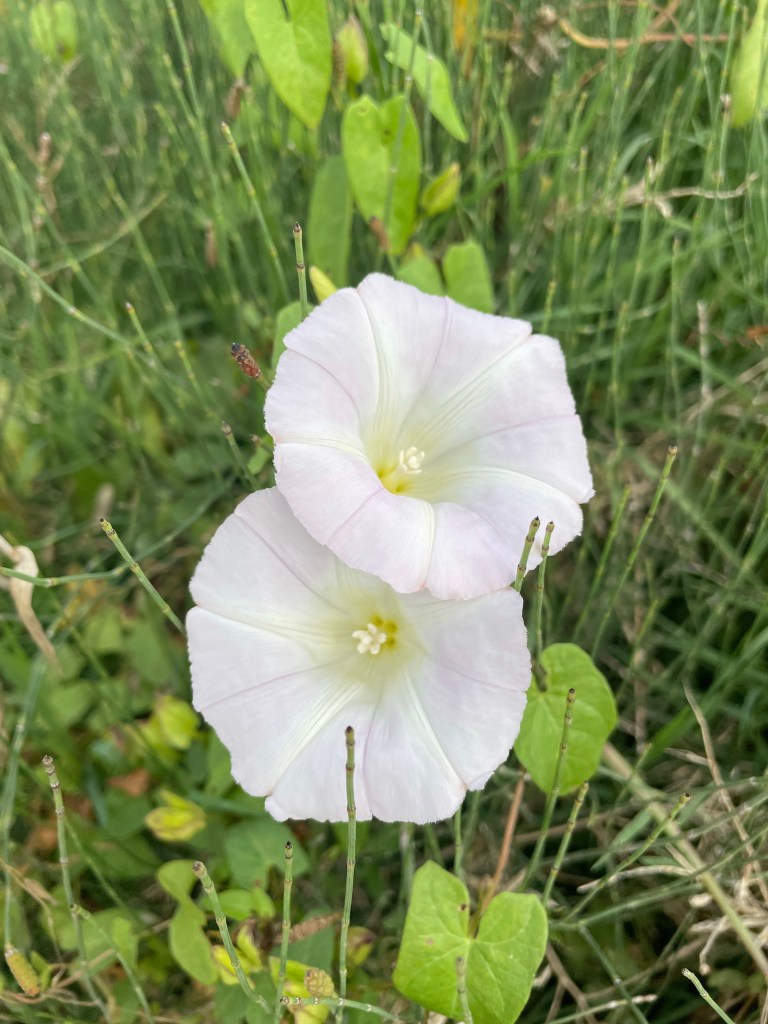
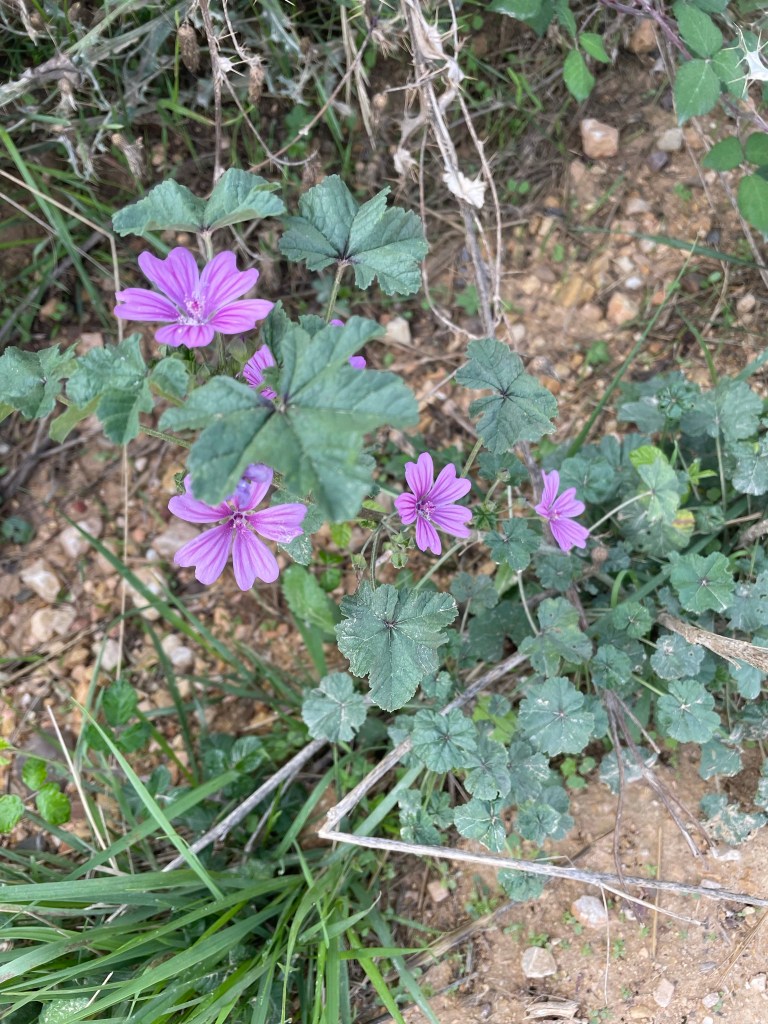
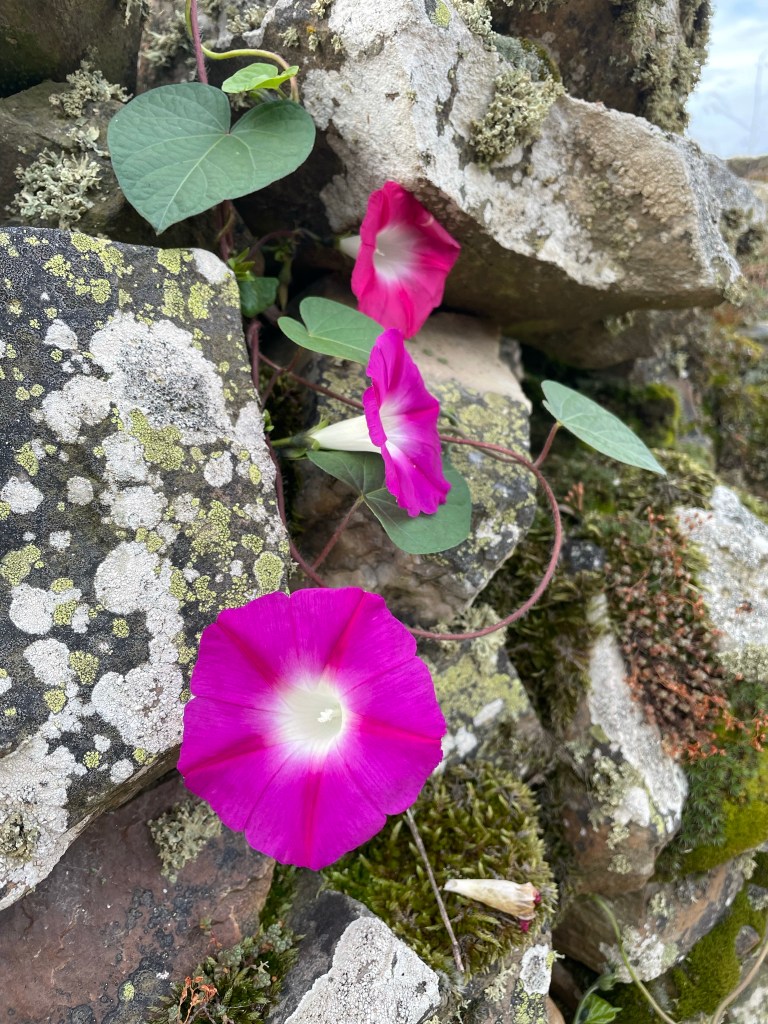
Here are a few other random pictures from our walks through the countryside. This is mostly a farming area and we constantly hear cowbells and smell the sweet aromas of livestock as we walk.
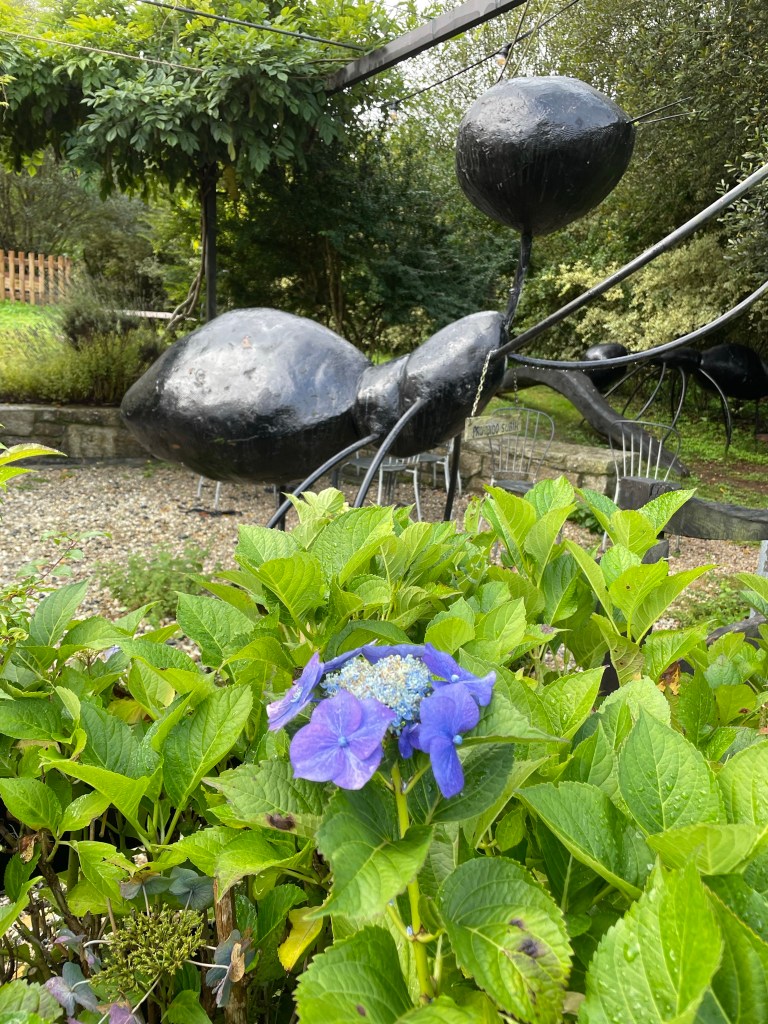
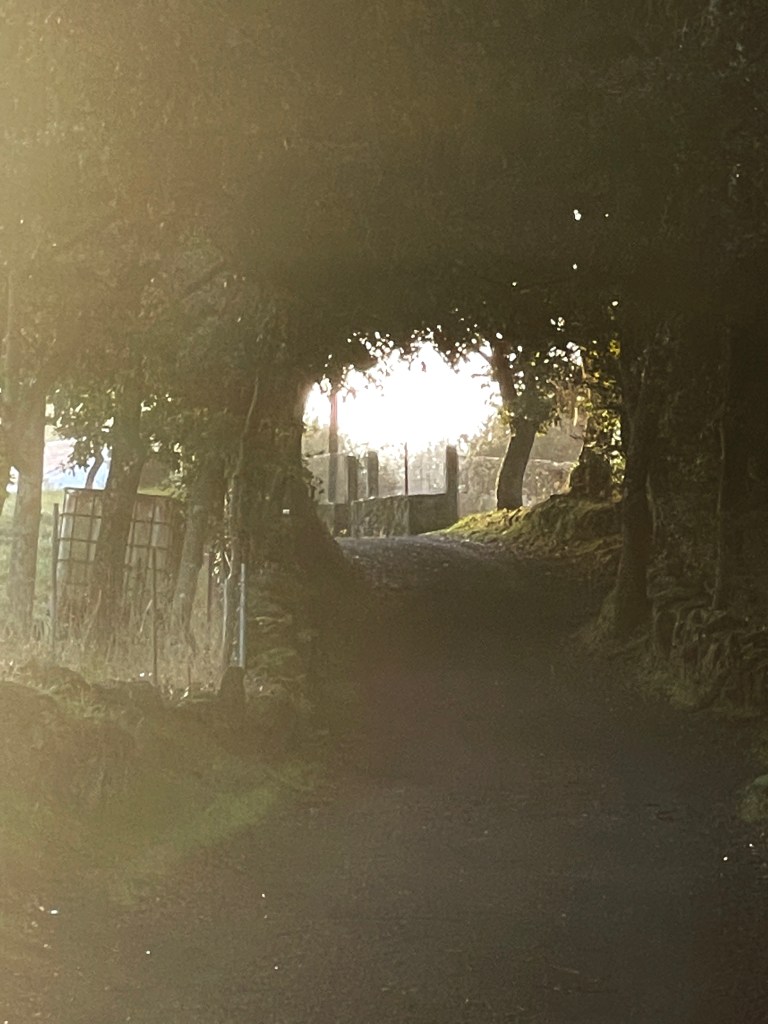
Morning in Ribadiso

Sarria And On

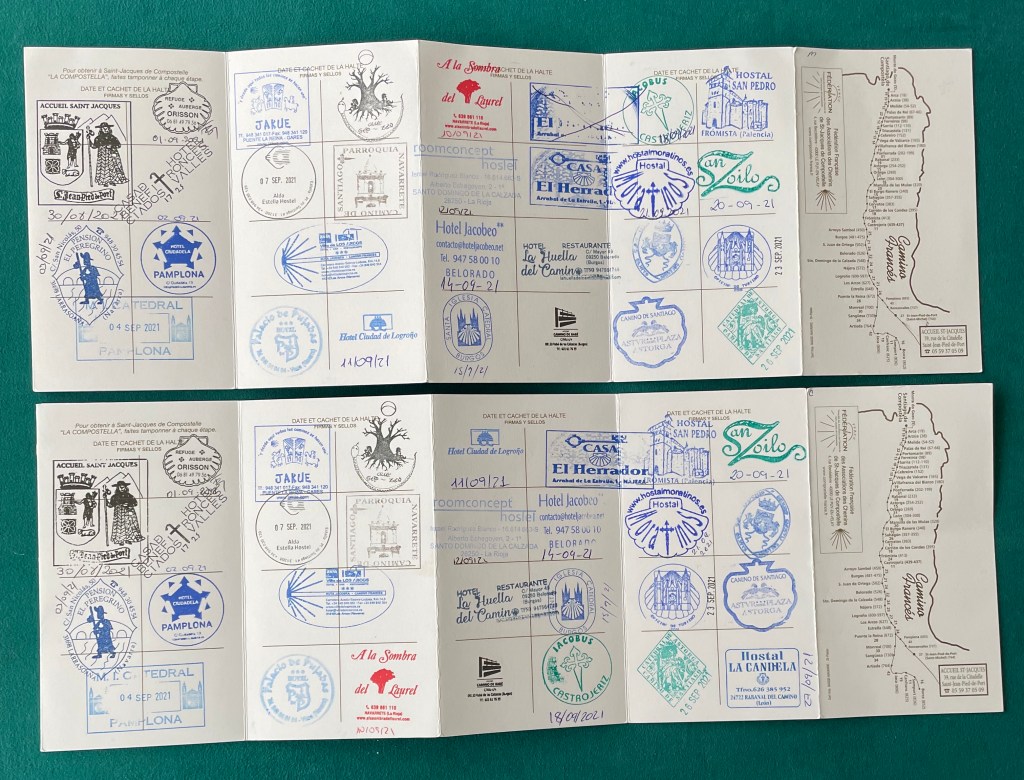
Since September 1 Carrie and I have been traveling the Camino our way, and the way many pilgrims do, starting in St. Jean Pied de Port, France, getting our compostelas (credentials that prove we have been traveling the Camino) stamped at least once a day, and moving on down the road to the next town and the next stamp. We’ve accumulated quite a few stamps along the way.

Sarria, a busy Camino town of about 13,000 inhabitants, has become a starting point for many pilgrims who can’t do the entire Camino, but who still want to get a compostela in Santiago. To do so, it’s required that they walk a minimum of 100 kilometers (about 62 miles). Starting at Sarria gives them the required miles they need. Because of this shorter route to achieve a compostela, Sarria is now a hot bed (literally) of Camino activity. Pilgrims arrive here by bus and the rail station and quickly fill up the hotels and bars and restaurants. What was once a quiet tranquil walk is now a bustling thoroughfare of chatty walkers hoofing it for five days into the cathedral at Santiago to get their compostelas.

A perfect storm:

Rocks, rain and an uphill

climb

Entering Galicia

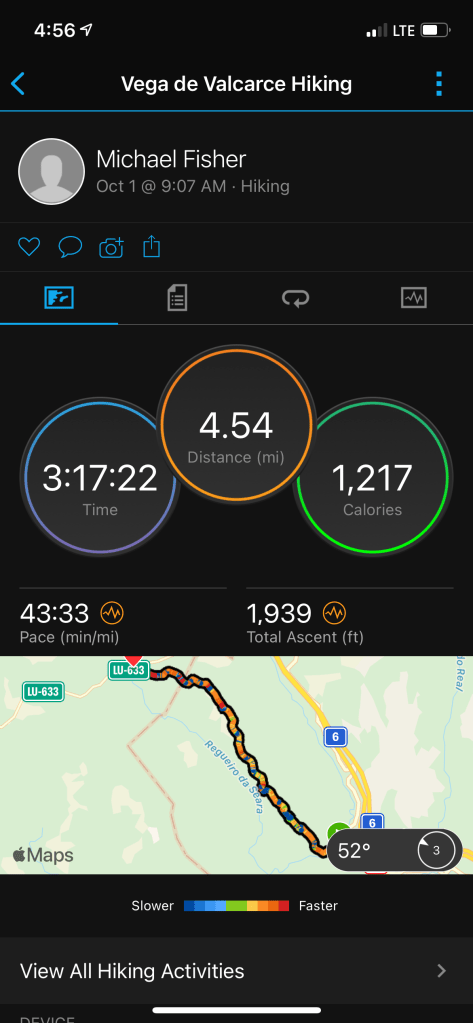
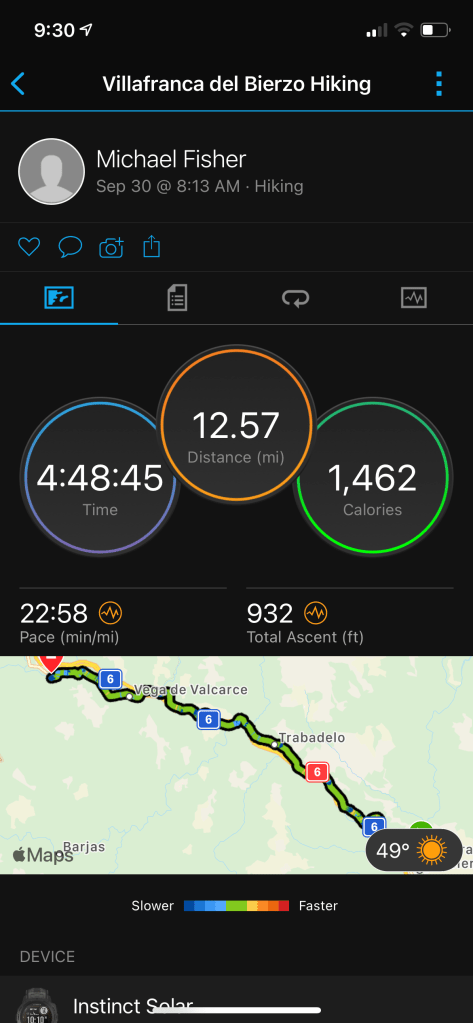
We left Villafranca yesterday morning on a steady 12.5 mile uphill climb towards O’Cebreiro. Villafranca sits at about 1800 ft., just at the base of the mountain. It is a beautiful medieval city with the feel of an Alpine village. Although the path mostly followed along a highway, we were deep in a valley with steep forested walls on both sides. We gained more than 900 feet in ascent, but we knew that the biggest climb awaited us today. We spent last night in Las Herrerias so that we could start today’s hike early in the day with fresh legs and a good plan to reach the 4950 ft. summit in O’Cebreiro.
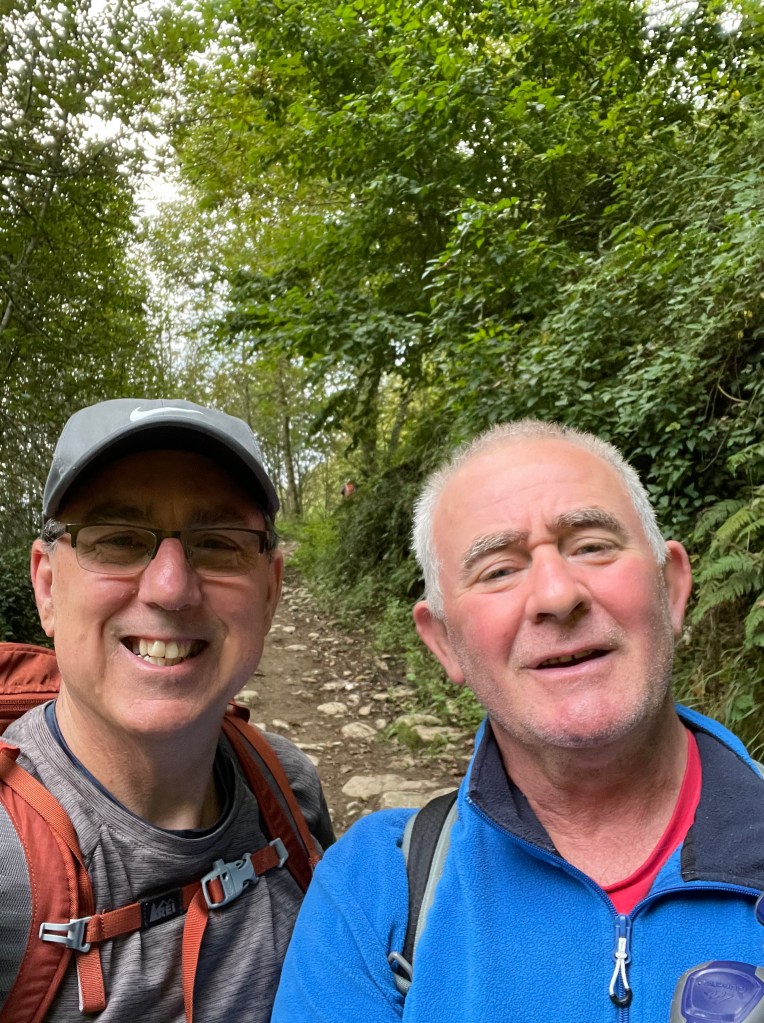
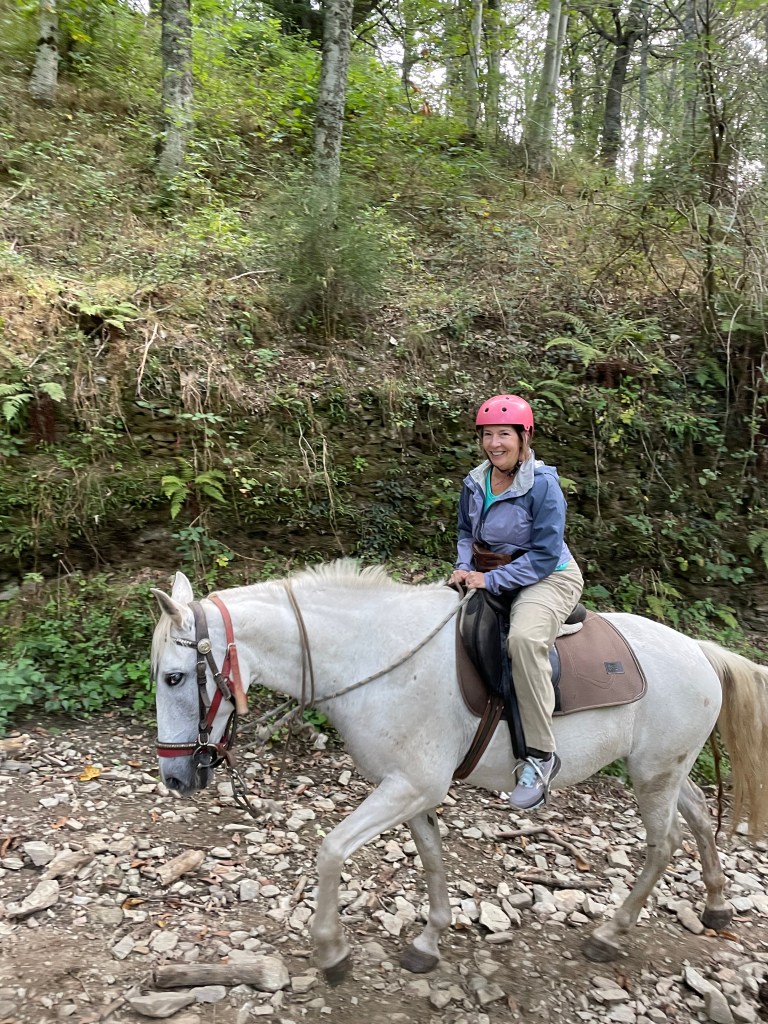
Our plan to tackle the 4-5 mile trek up to O’Cebreiro was this: Carrie would ride on horseback and I would follow on foot. In Las Herrerias we met Victor, who takes small groups of three or four on horseback up the same steep trail that the hikers use. So while Carrie and three other women rode their horses up the mountain I walked the trail with Jimmy, a gregarious Dublin man, who serenaded me and other hikers with Irish ballads all along the way. It was great to have his company and it made the arduous walk much more enjoyable.

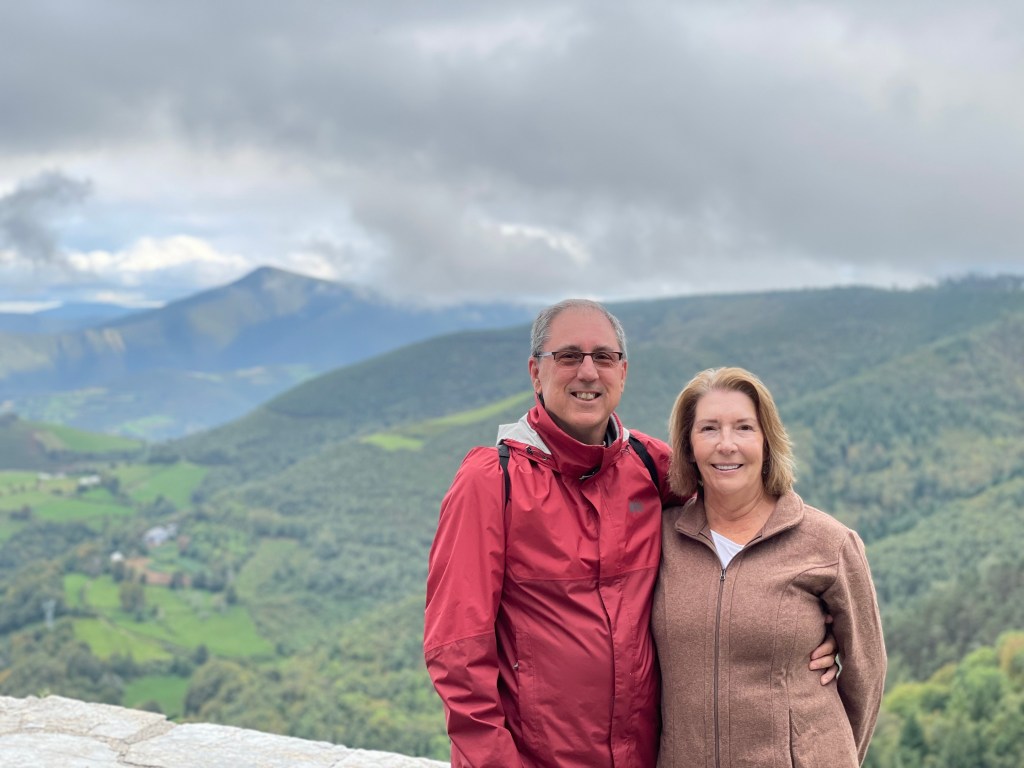
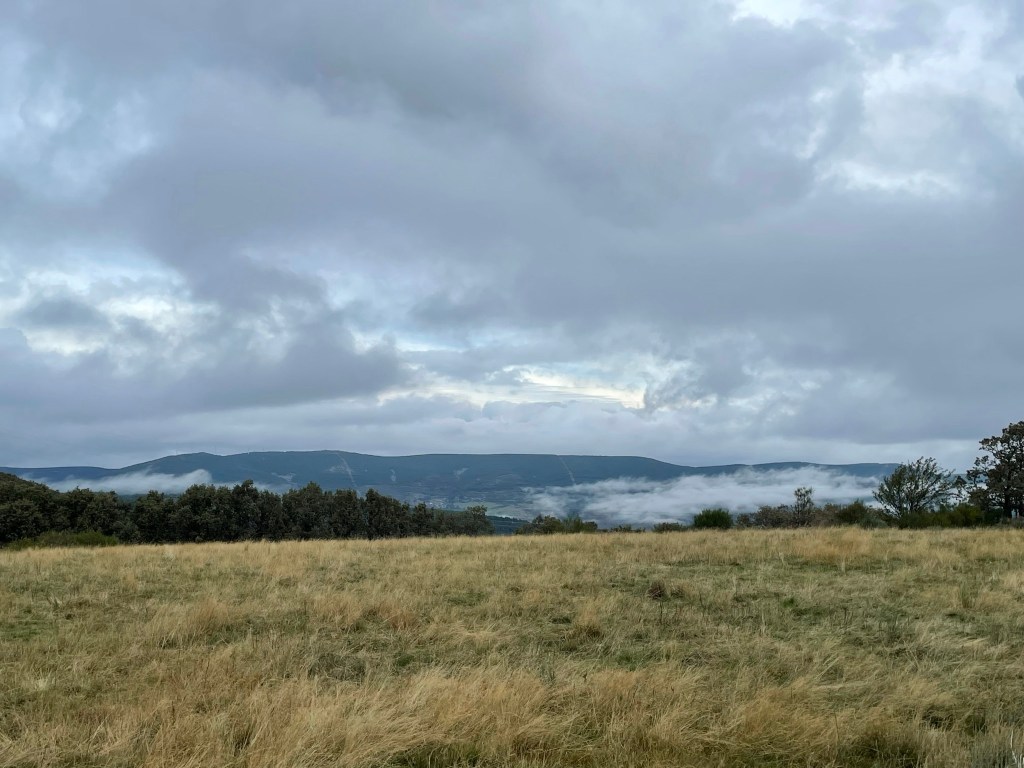
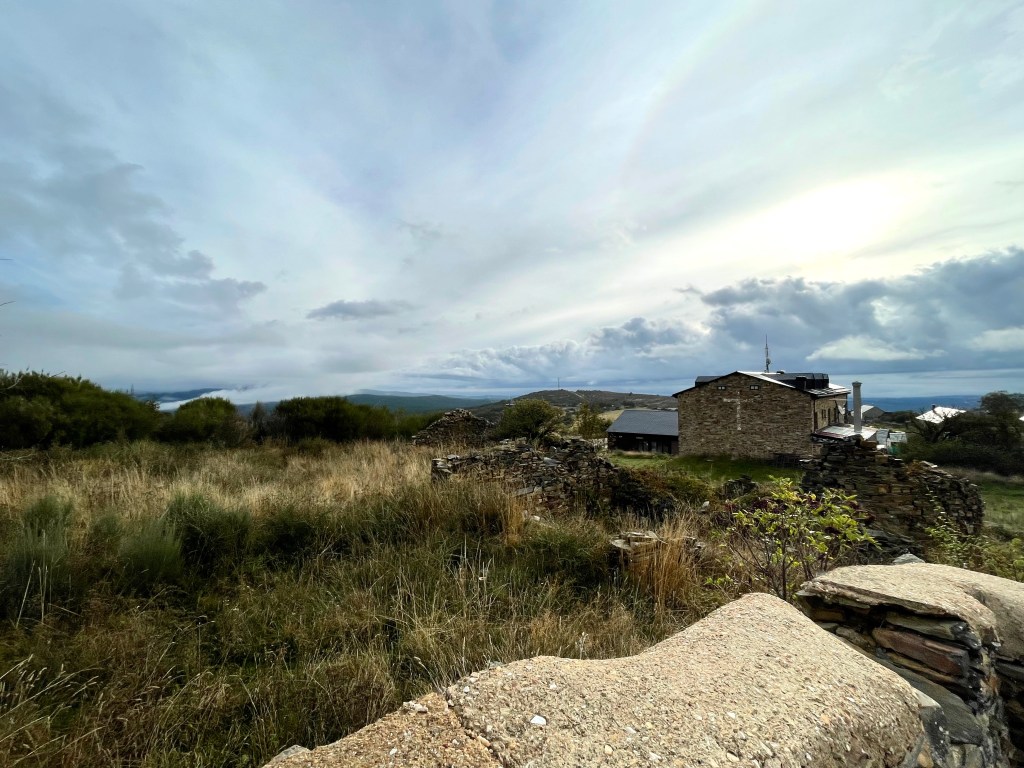
In O’Cebreiro we were surrounded by great views in all directions.

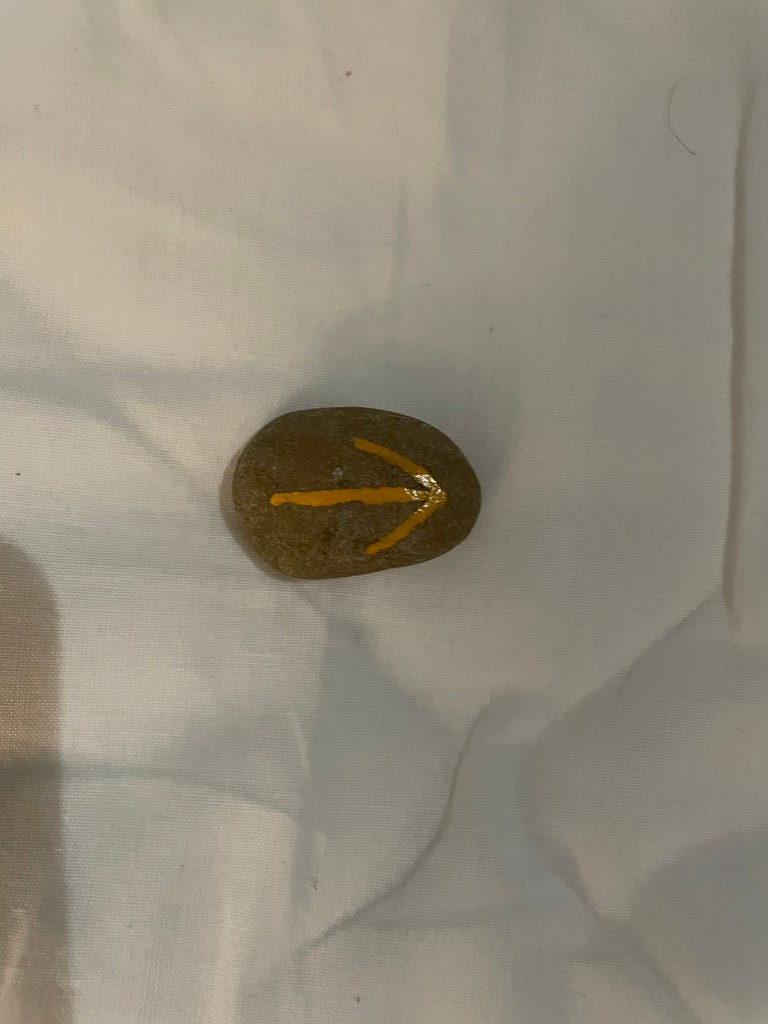
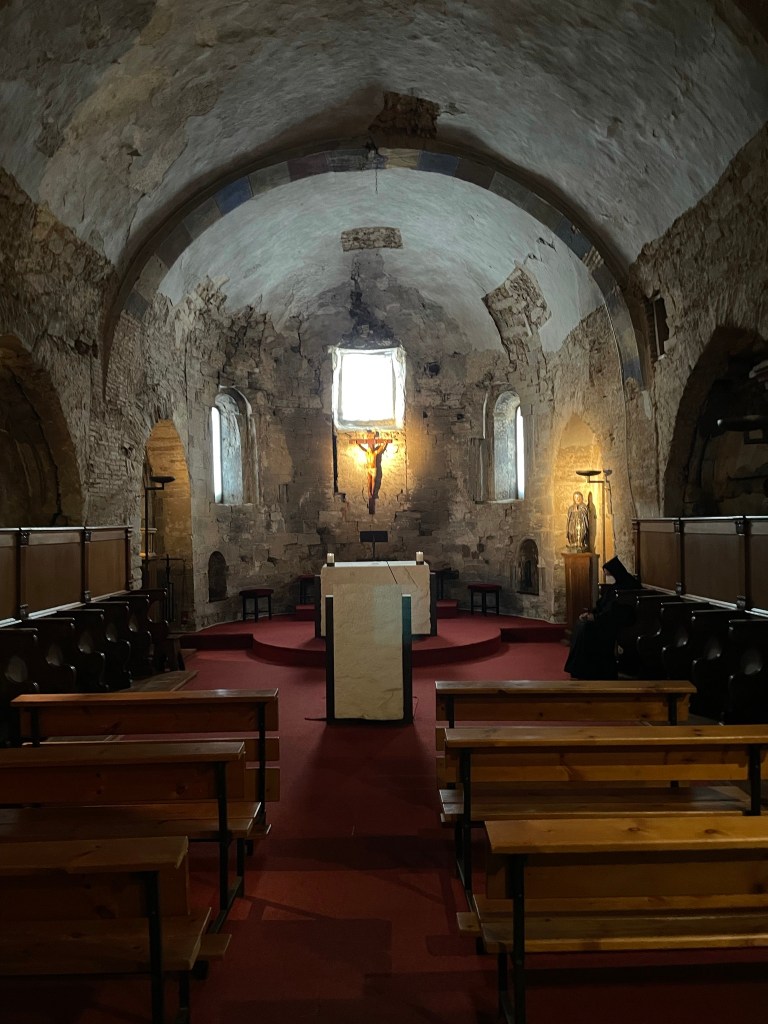
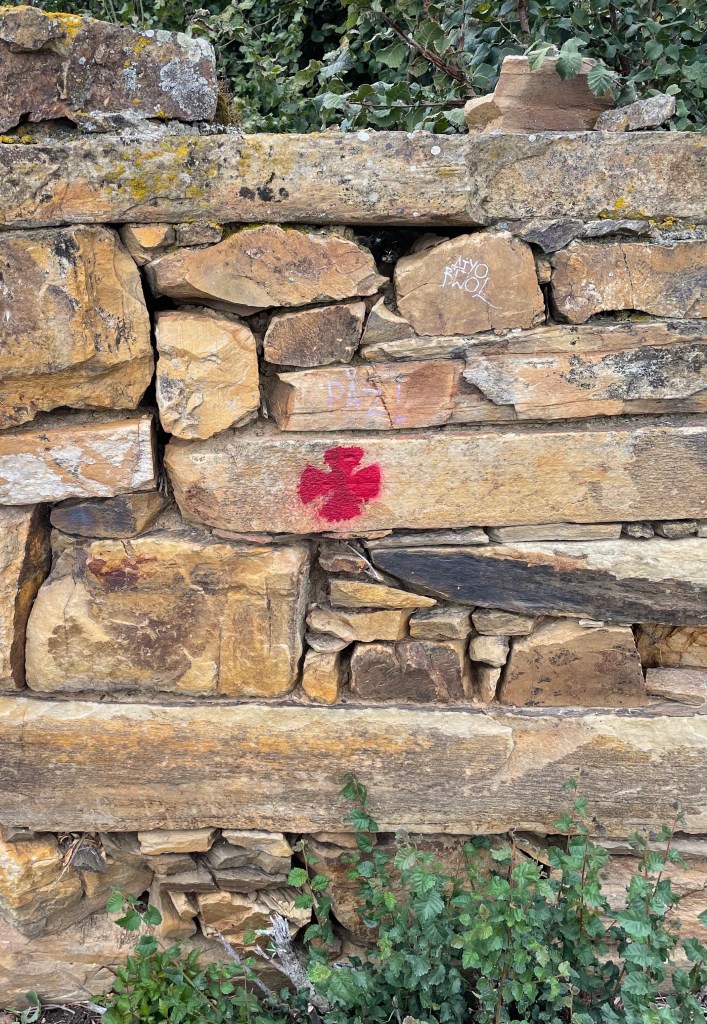
We went to evening mass at one of the oldest churches on the Camino. The mass was in Spanish, but at the end the priest invited all pilgrims, about 40 in all, to come up and gather around the altar. He then asked what nationalities were present. He was amazing in that he spoke some words of all the different languages represented there. He asked that someone from each nation read out loud a short special prayer in their native tongue from his prayer book. It seems that Carrie and I were about the only ones that spoke English in this group, so I got to do the reading. It was fun! After that the priest asked us all to consider why we were walking the Camino and handed us each a small stone with a yellow arrow painted on it to remind us of our direction on both the Camino and in life.
Notes From the Camino

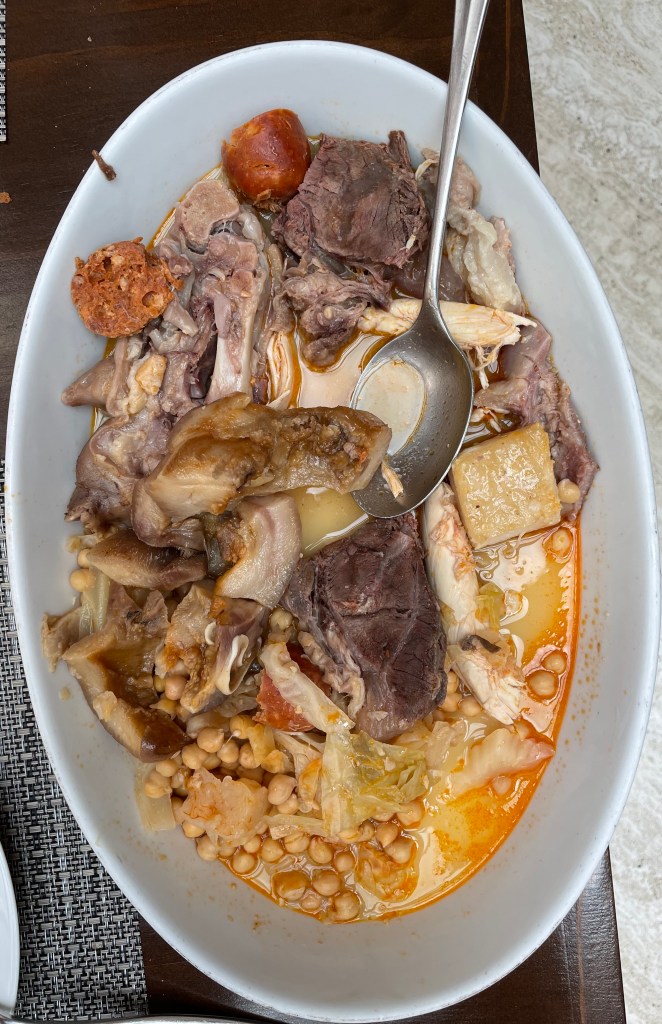
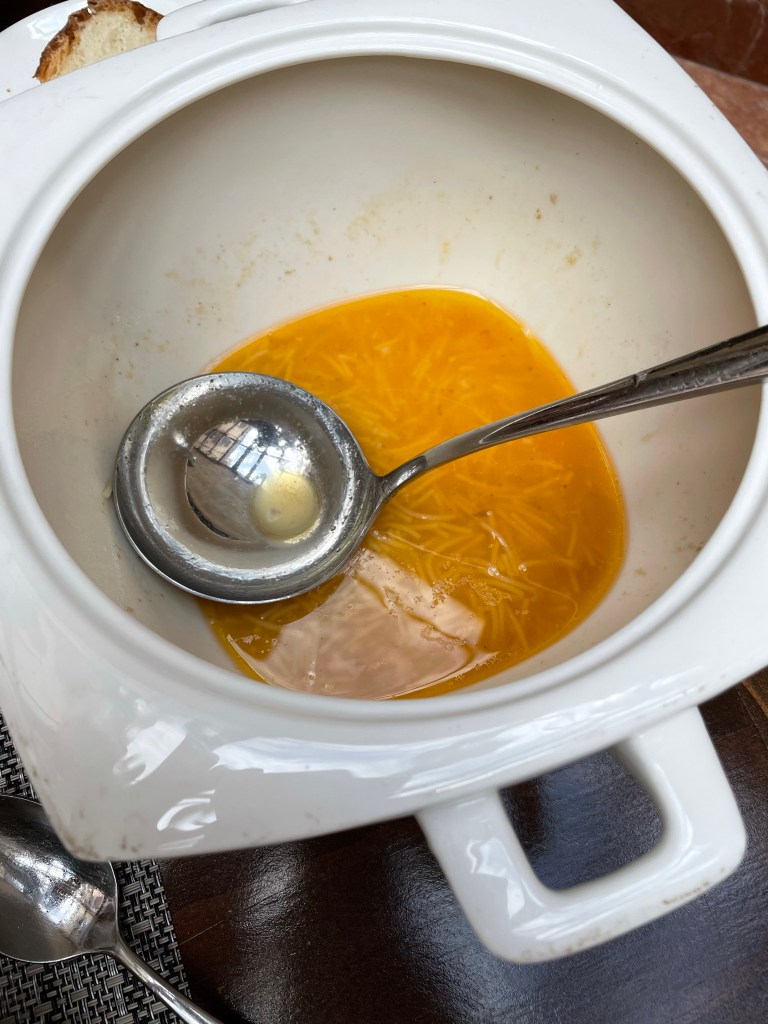
Interesting things happen when you least expect them. Every day we are surprised to learn something new about Spain, about the culture, food and history here. A recent dining experience left us perplexed: on a menu a restaurant offered ”cocido maragato”, which I had read is a hearty stew, filled with several kinds of meats, garbanzo beans, cabbage and sausage. I was simply expecting big bowl of tasty stew. But the bowl of goodies they brought me was a huge platter, enough for the two of us! And once I had filled myself with the stew, the waiter brought out a terrine of broth with noodles. Of course, dessert followed all this. Because we don’t speak any Spanish and sometimes have trouble deciphering the menu, it’s always a challenge ordering food.

One night we walked to the tiny village of Rabanal, where we stayed the night at a quiet little hotel and hostal. We didn’t think there was anything to do in the town until we read that there is an ancient church, the Iglesia de San Jose, where monks perform vespers every evening at 7PM. We were treated to the soothing vocals of the monks singing gregorian chants in this old church. After the songs the monks gave a blessing to the packed congregation of pilgrims who attended.

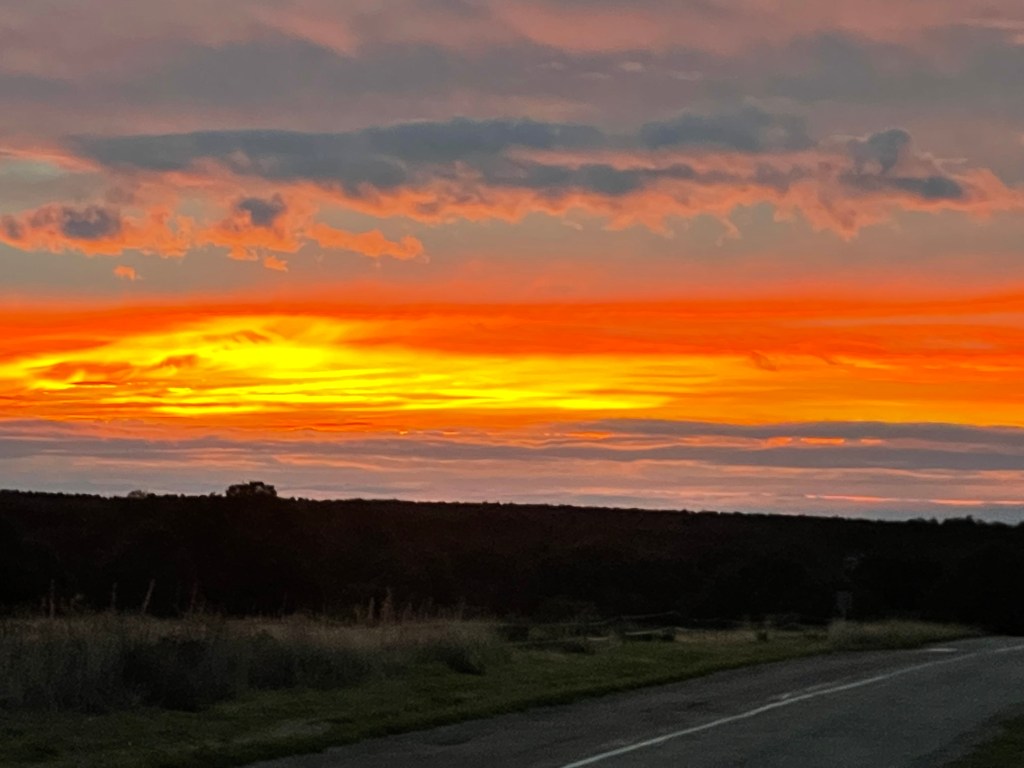
There have been some great opportunities to get good photos here, especially in the early morning and late afternoons when the light is softer and colors are more pronounced. I was hoping for more chances as we climbed up to La Cruz de Ferro (4934 ft), and over, but there was heavy cloud cover that wouldn’t allow great vistas.

Dawn in Rabanal

Looking down at Ponferrada
In the clouds near Cruz de Ferro

From Leon to Astorga

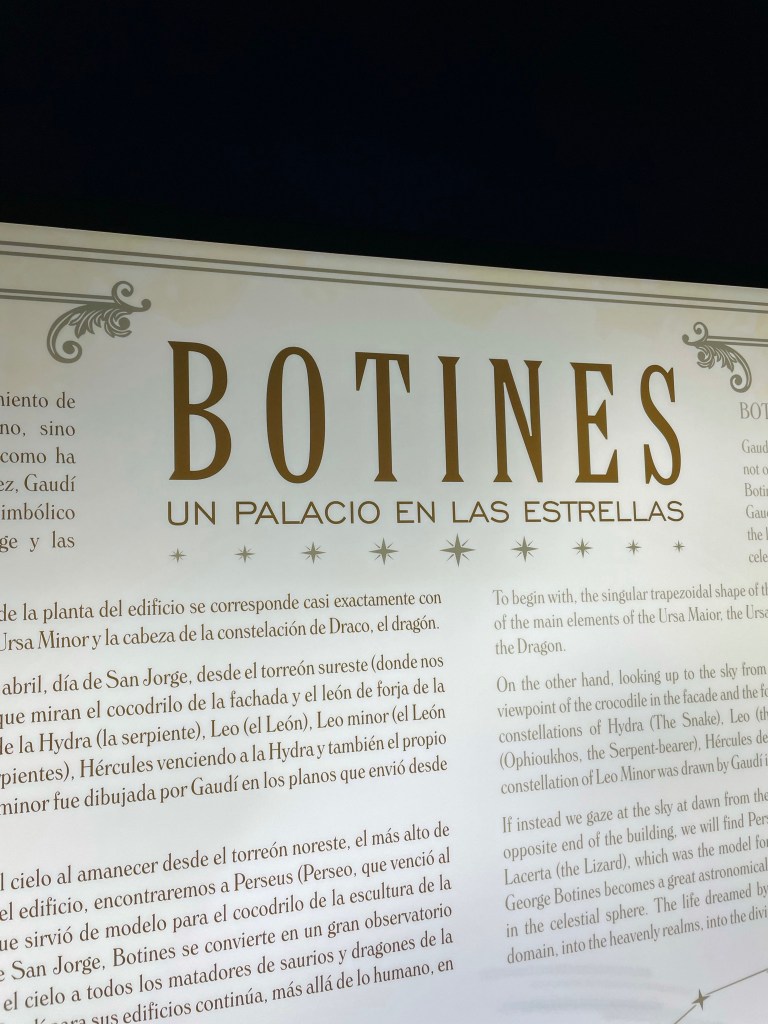
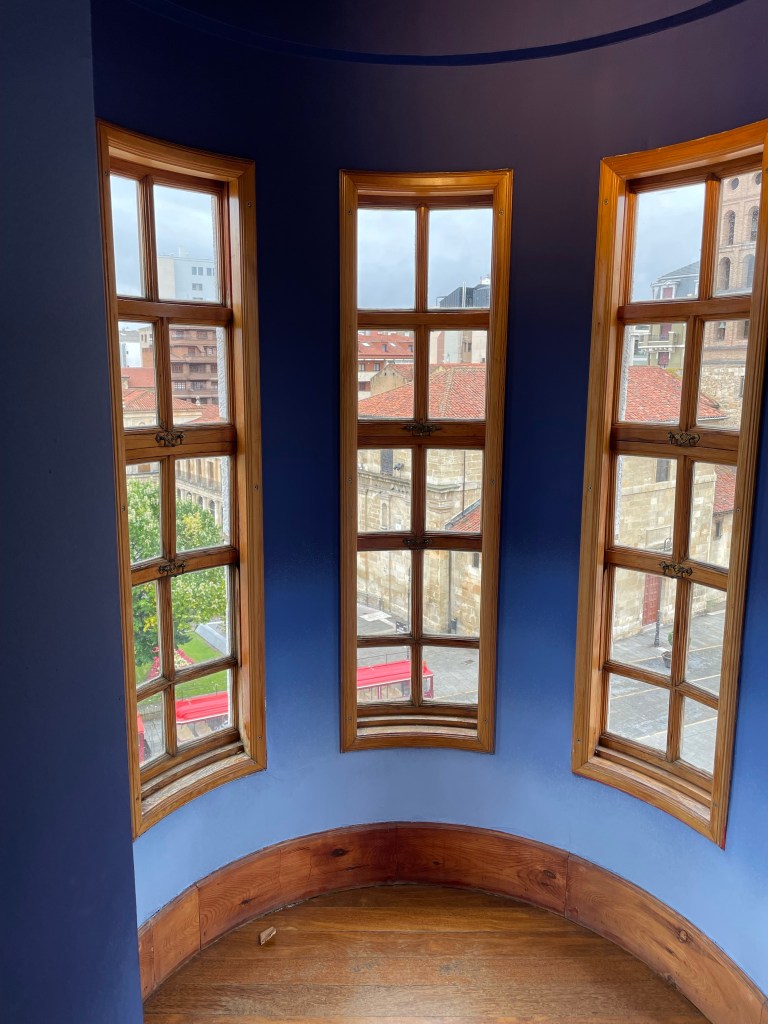
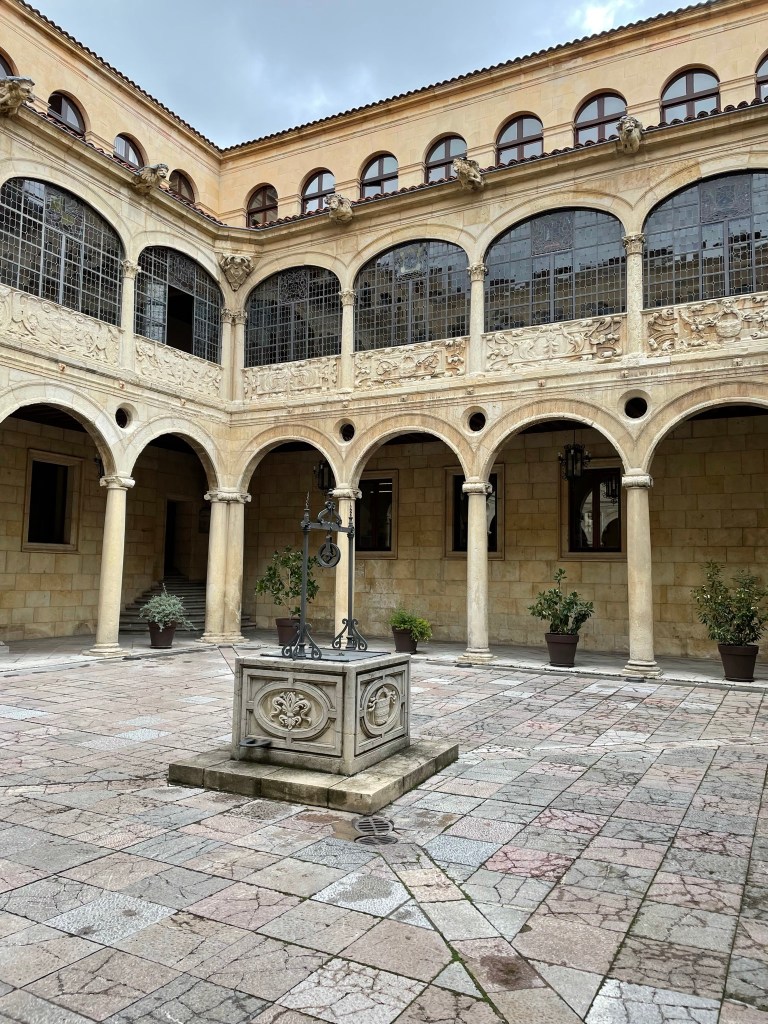
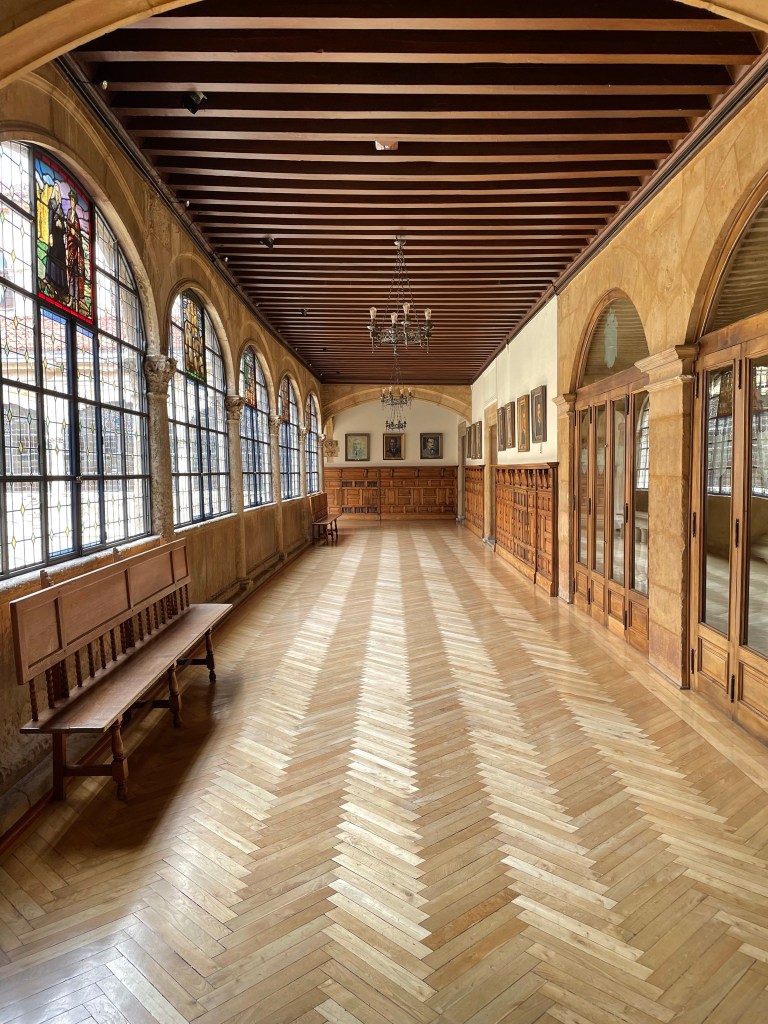
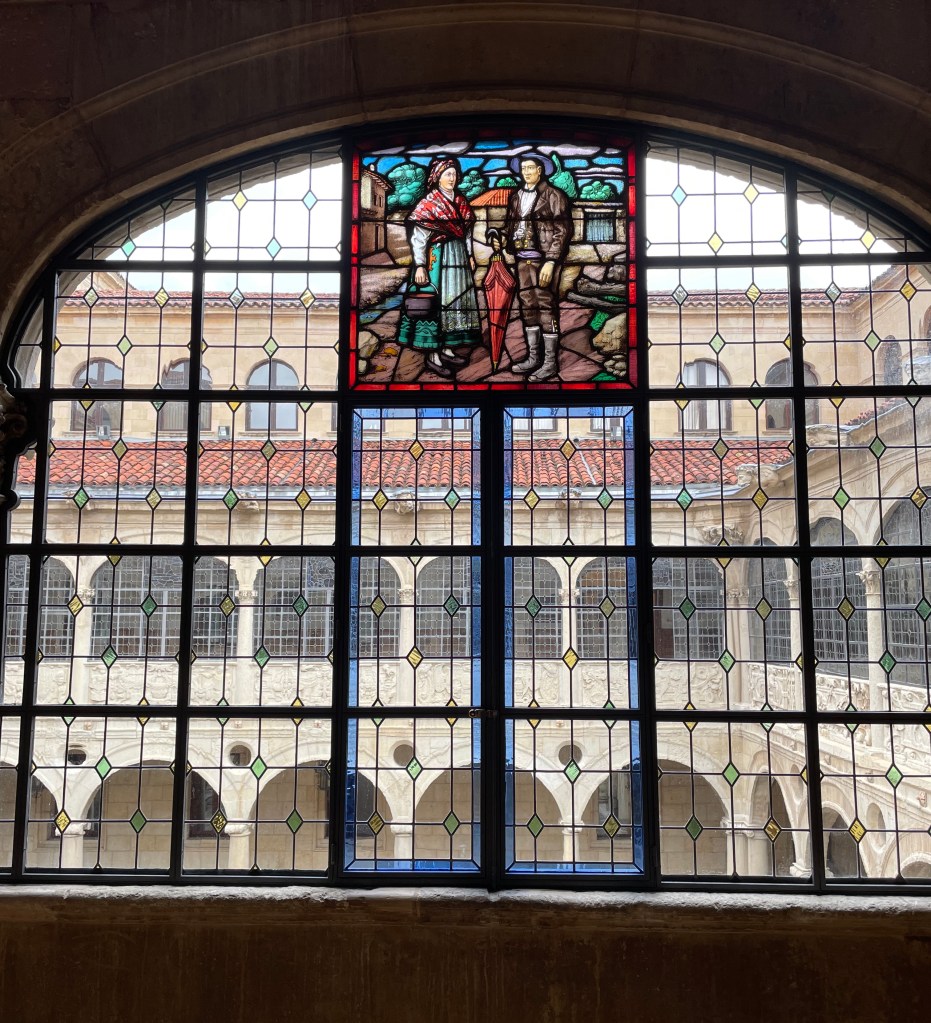
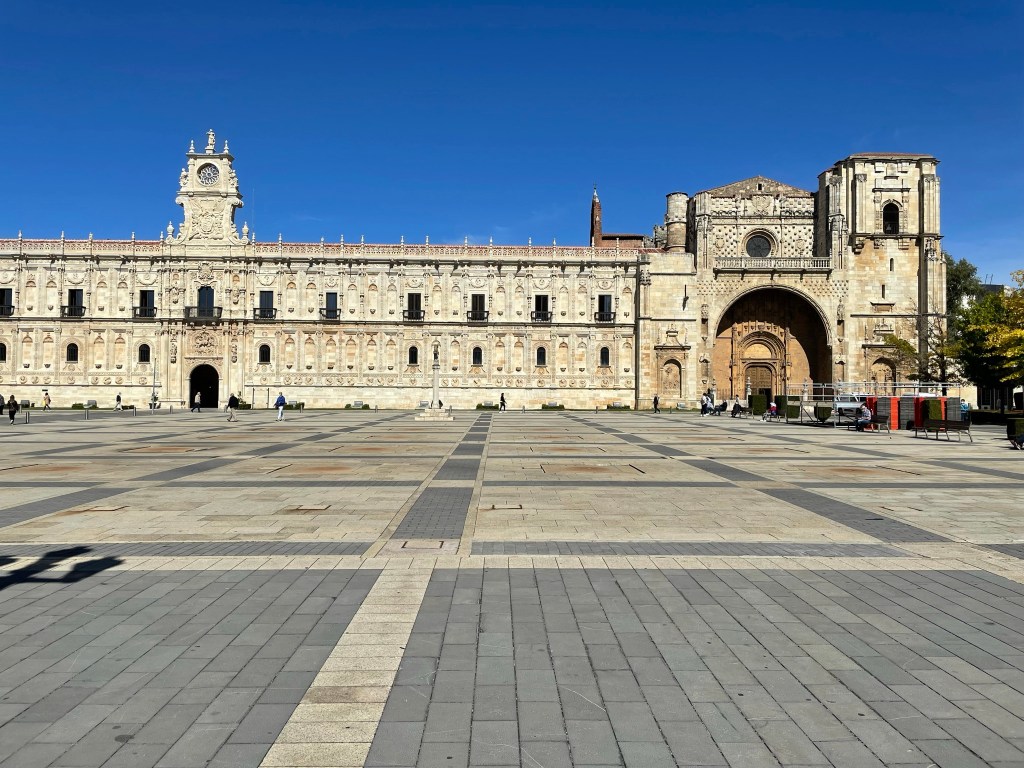
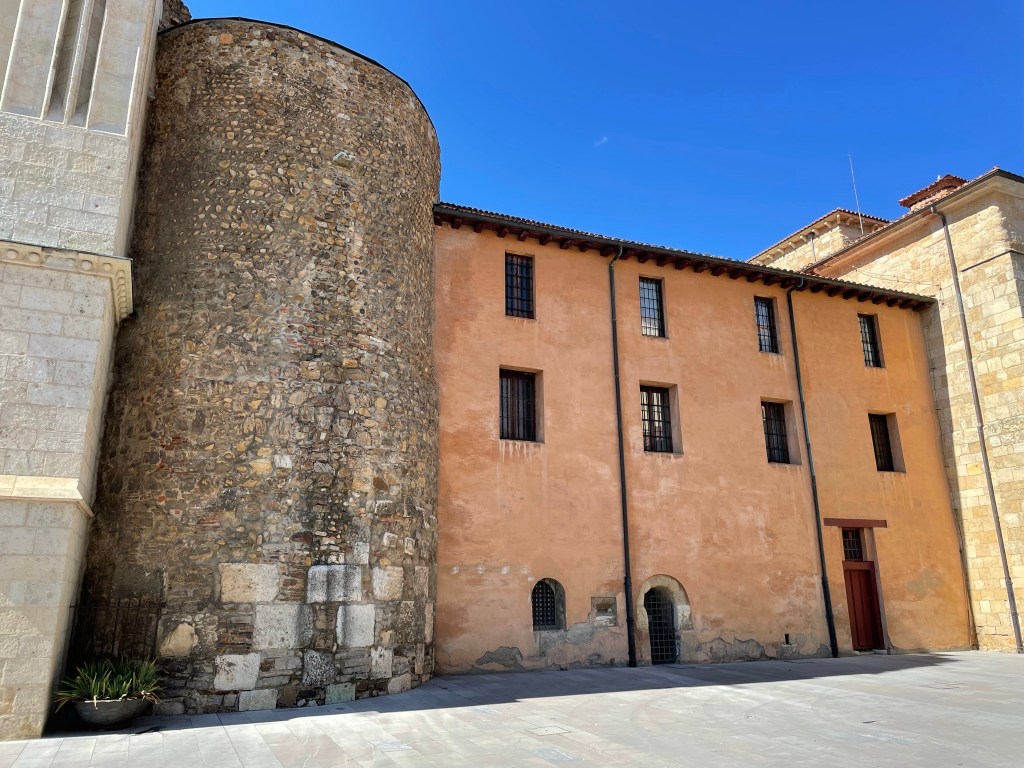
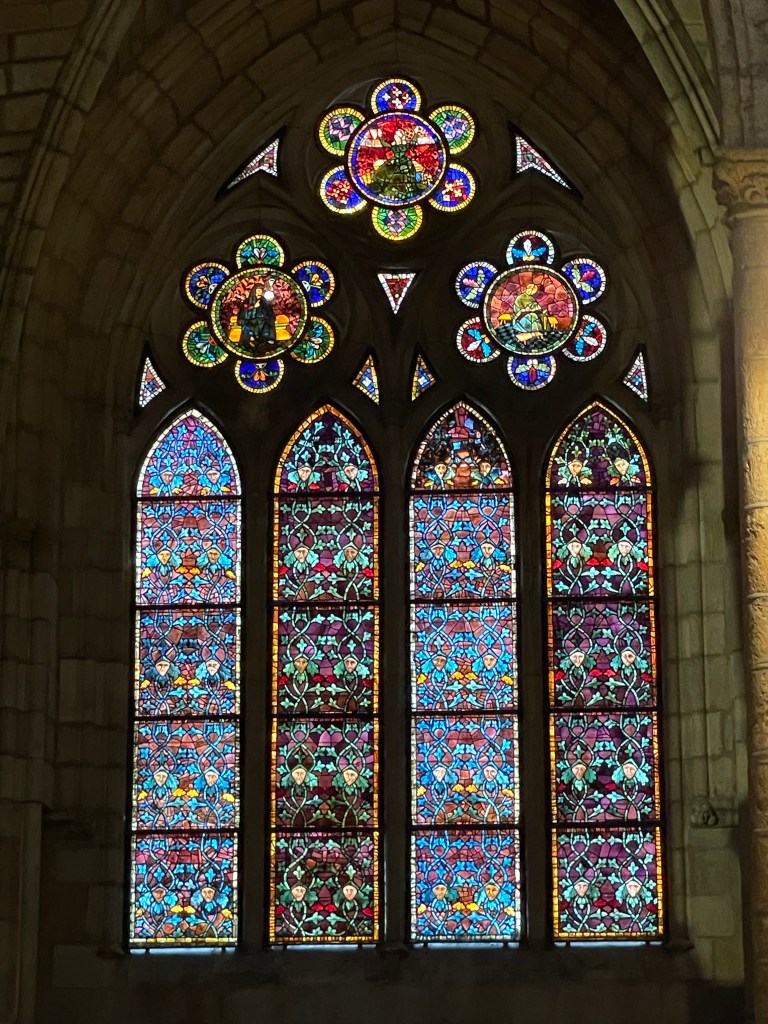
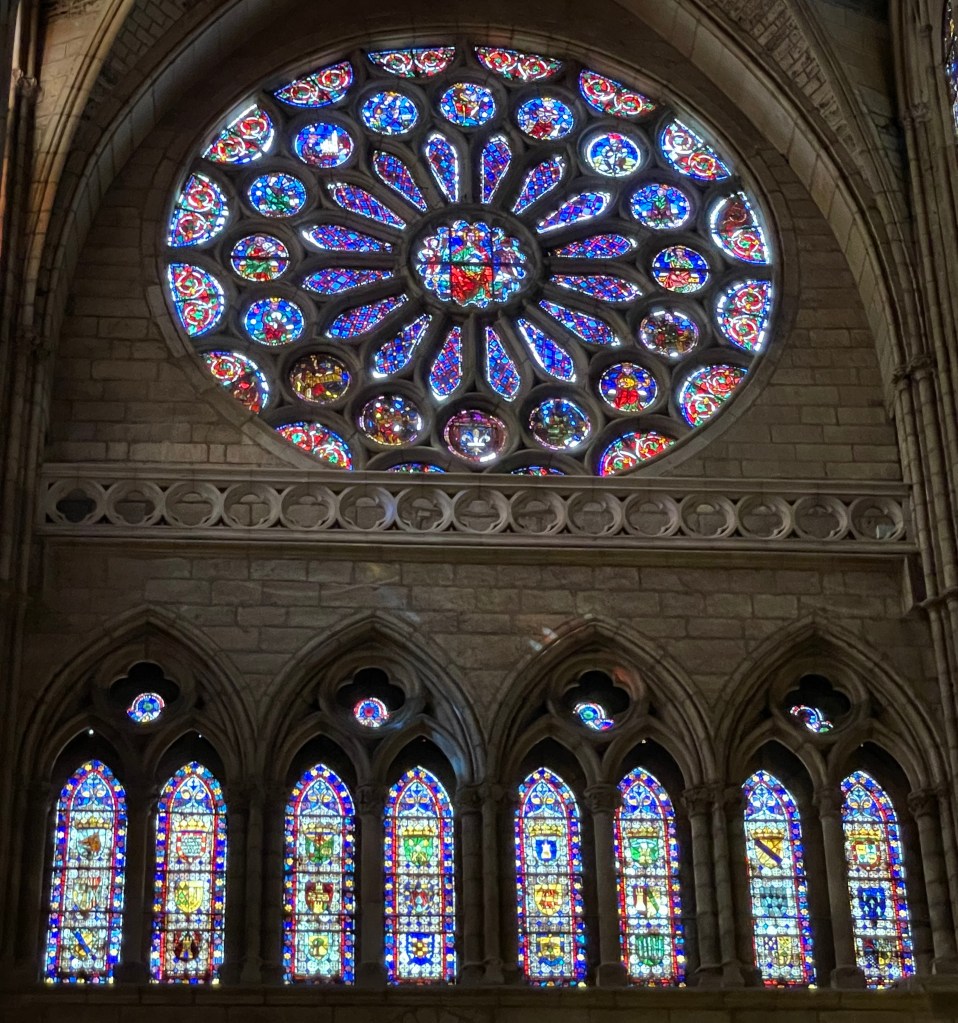
There are so many historical sites to visit in Leon, but you can’t see them all. A couple of our favorites were the Gaudi designed building called Botines, now a museum filled with art, and next door to it the Guzman Palace, noted for its stained glass courtyard windows. Both buildings were well worth visiting.

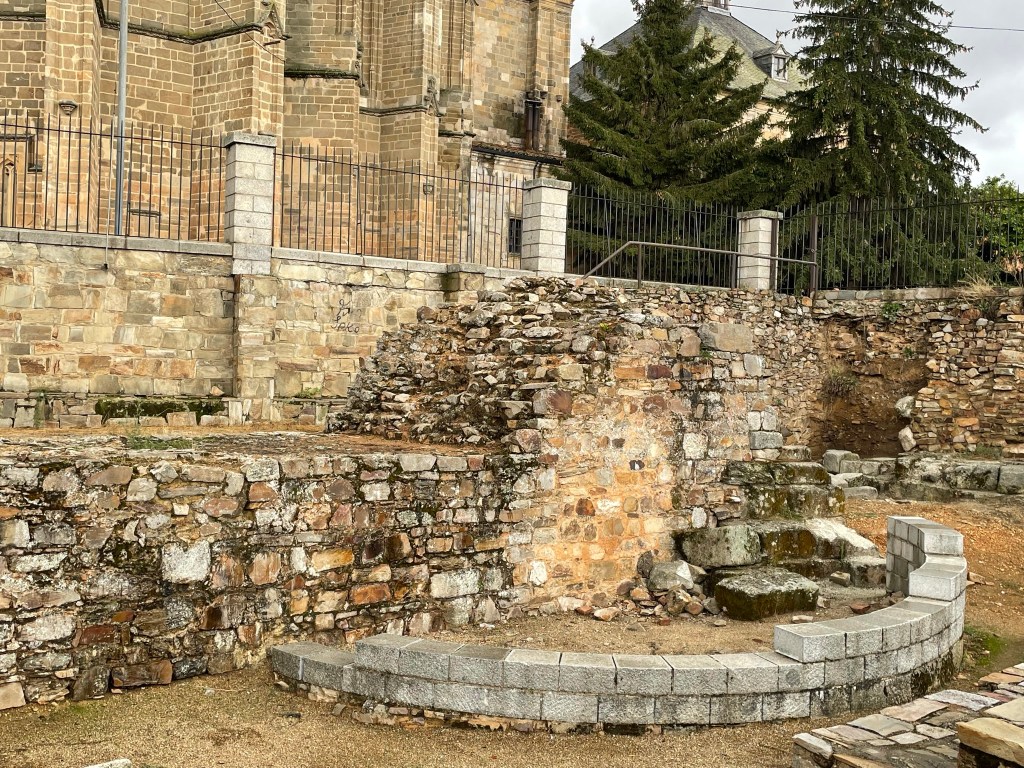
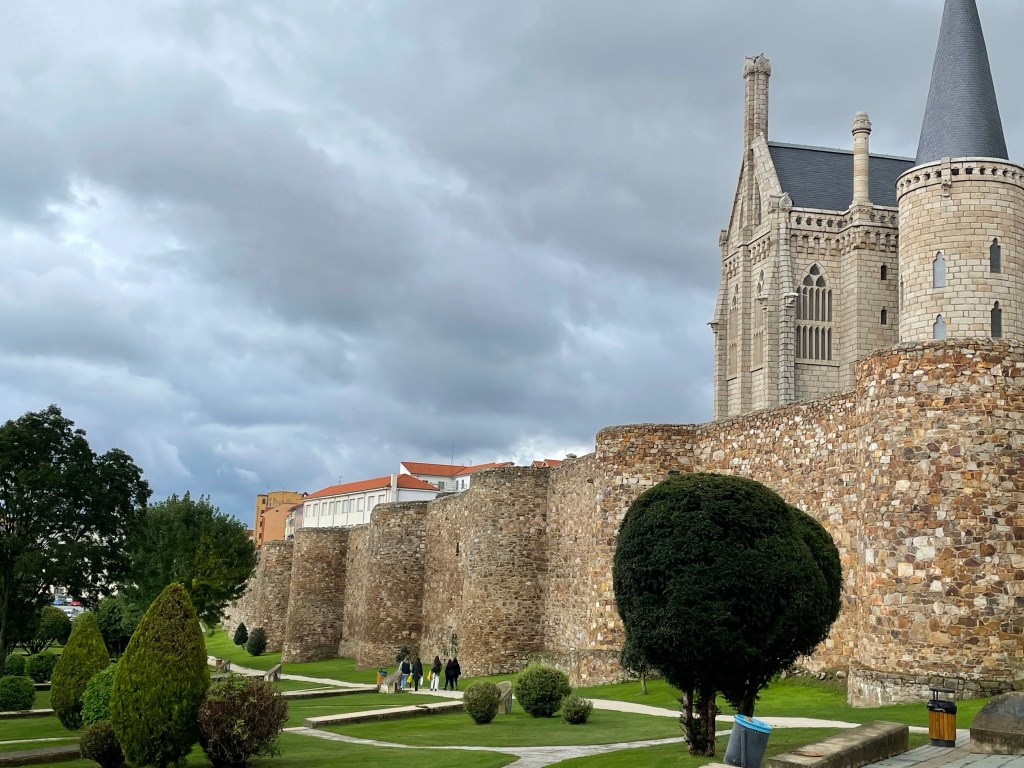
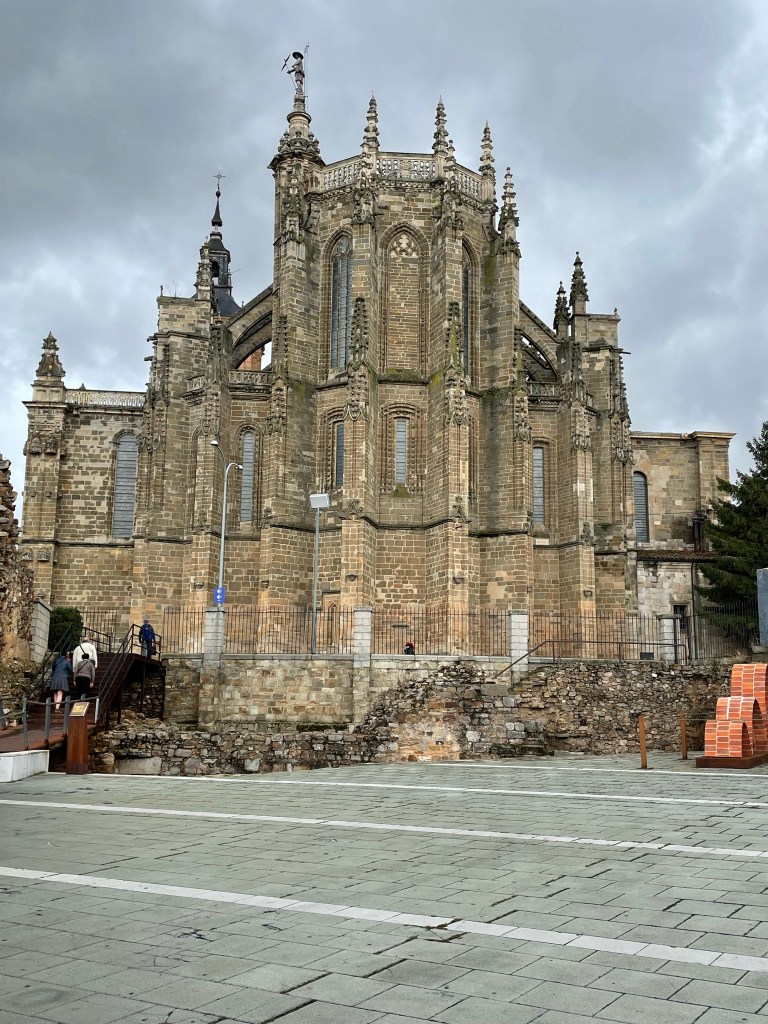
Astorga is another old city rich in history. There are Roman ruins, another Gaudi designed palace, a dominant clock tower in the Plaza Mayor, where two characters dressed in traditional Maragato garb strike a bell on the hour. It’s fun to watch and hear, but a little annoying when your hotel room faces the clock! When we arrived in Astorga we were greeted by cooler temperatures and a thunderstorm spitting bits of snow, an ominous sign of the mountain trails ahead of us.

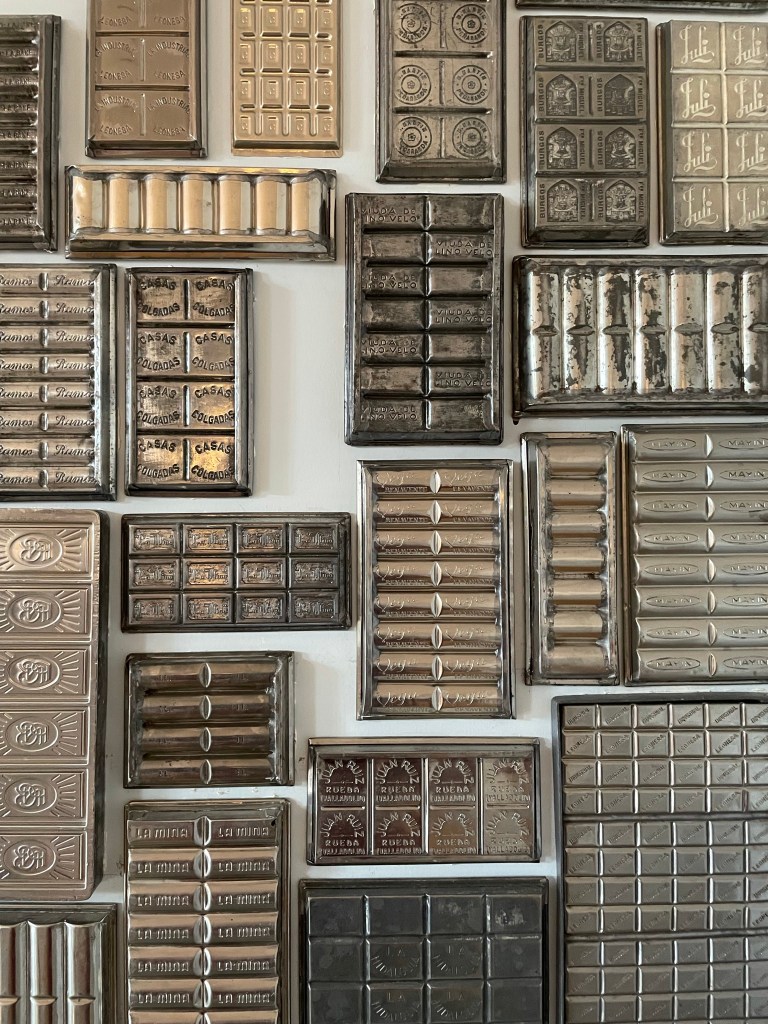
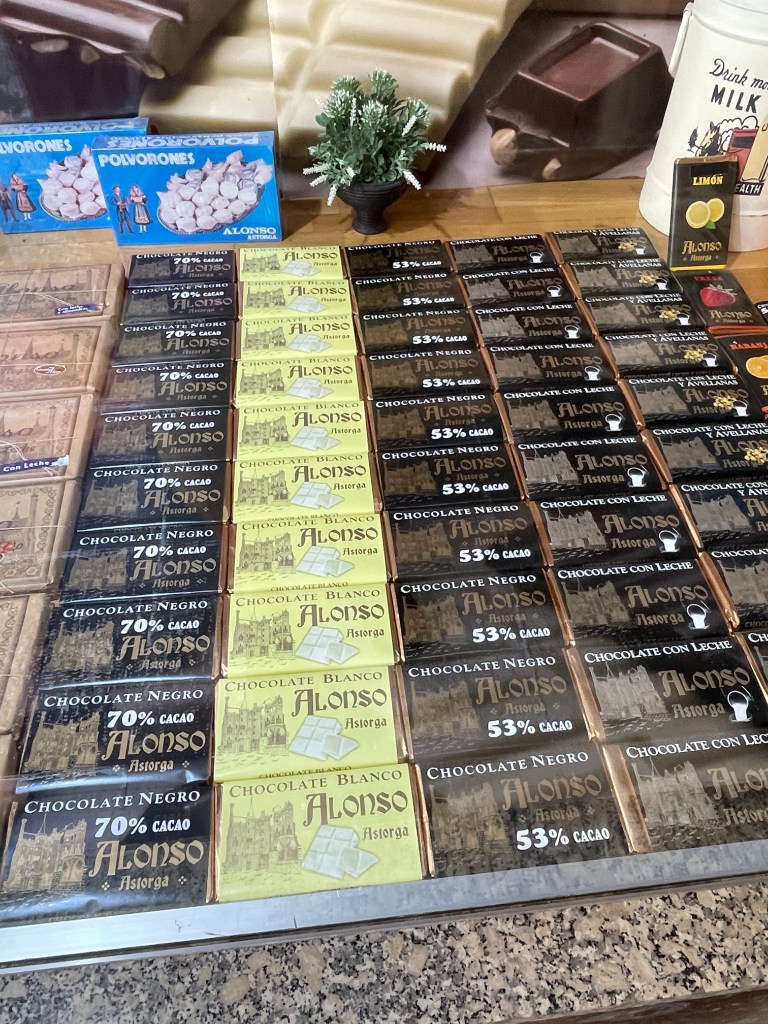
Astorga is also known for its chocolates. According to Wikipedia (so it must be true!), Astorga is the birthplace of chocolate in Europe. Mexican cacao was brought in around 1528, and quickly introduced to other parts of Europe along with other trading goods that helped Astorga thrive. There are chocolate shops scattered around the city, and there’s even a chocolate museum. We sampled as much as we could.

Tomorrow leave Astorga and head into the mountains. This is the last section of our journey. We have booked out lodging for the next 12 nights, which will get us to Santiago. We will be challenged with steep ascents, long mileage days and maybe lower temps than we have seen. Here is a snapshot from our guidebook for the day:

Leon

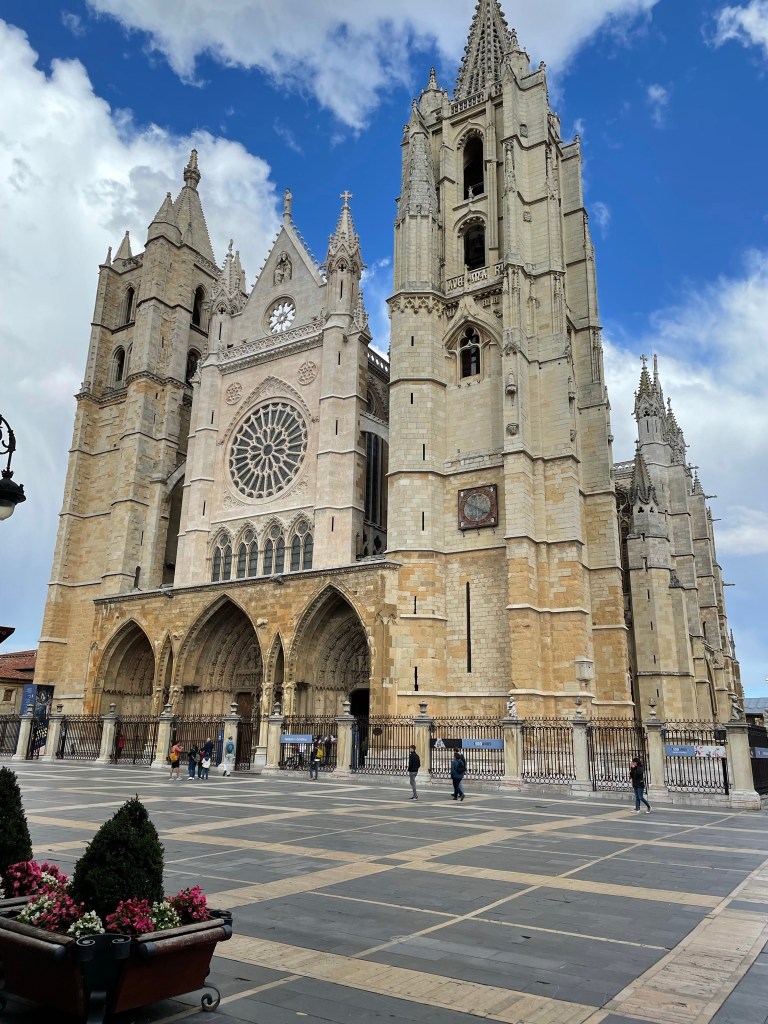
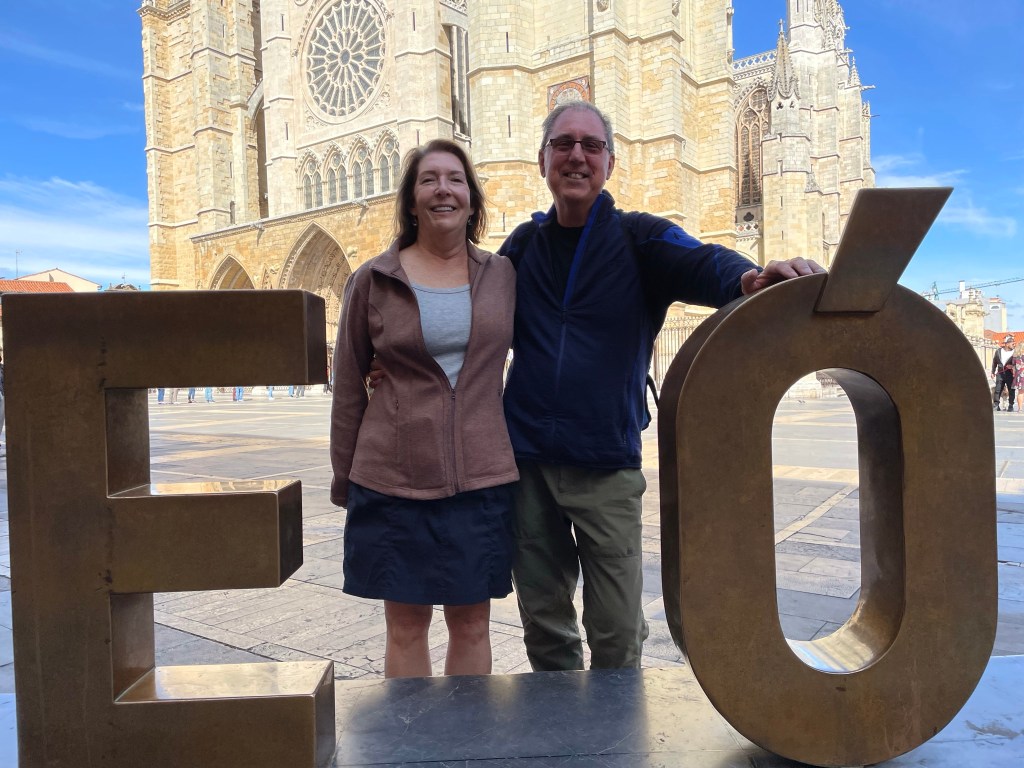
Leon is another large (about 200,00 people) metro area focused around the fabulous Leon Cathedral, roman ruins, an old town that exudes charm and the typical medieval narrow streets that we’ve become accustomed to seeing here in Spain.

We found a great apartment to relax in for the three days we’ll be staying here. However, there wasn’t a washing machine, so we had to trek down to a local laundromat to get our soiled clothes back to normal. The joke among the pilgrims here is that we are all wearing the same ratty outfits day after day.

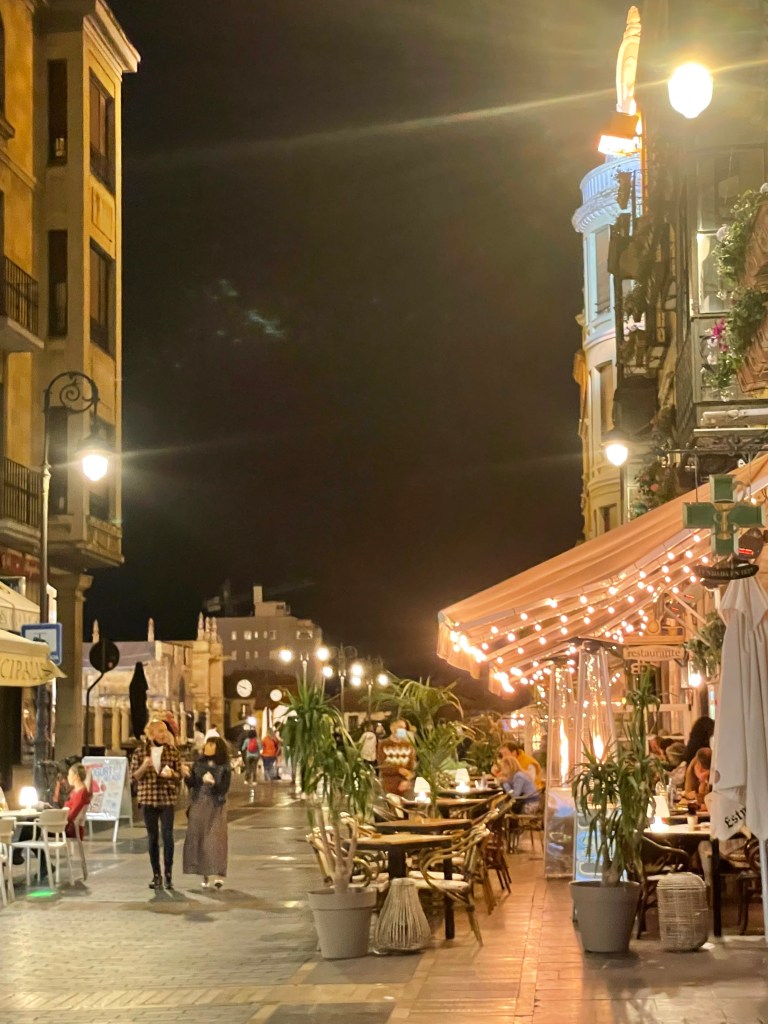
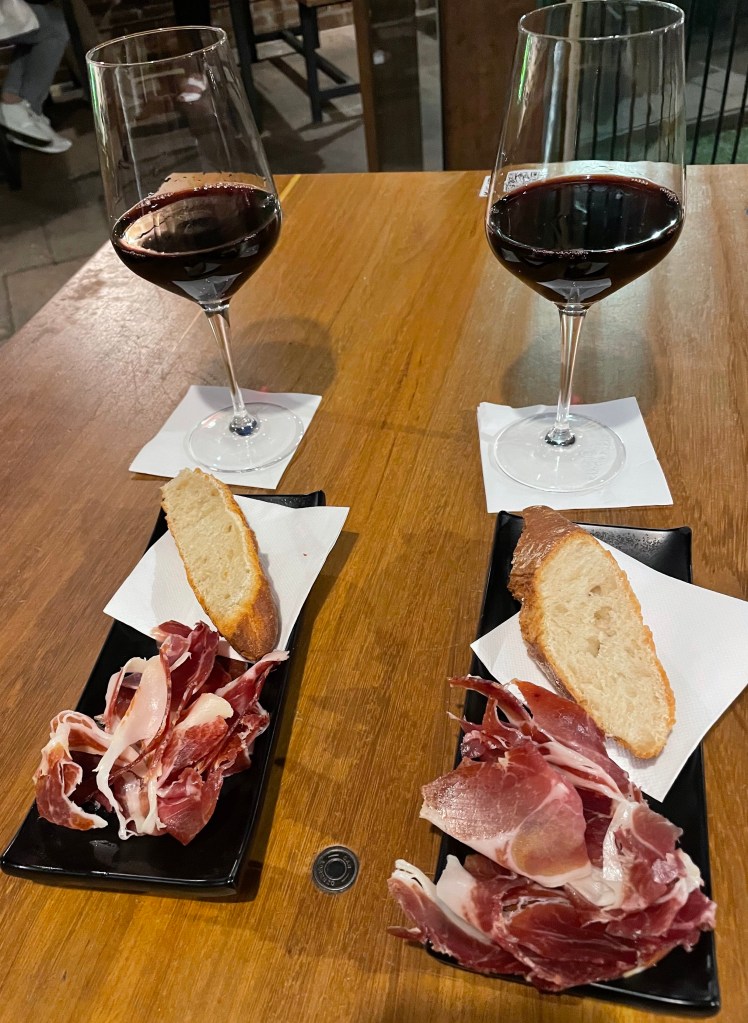
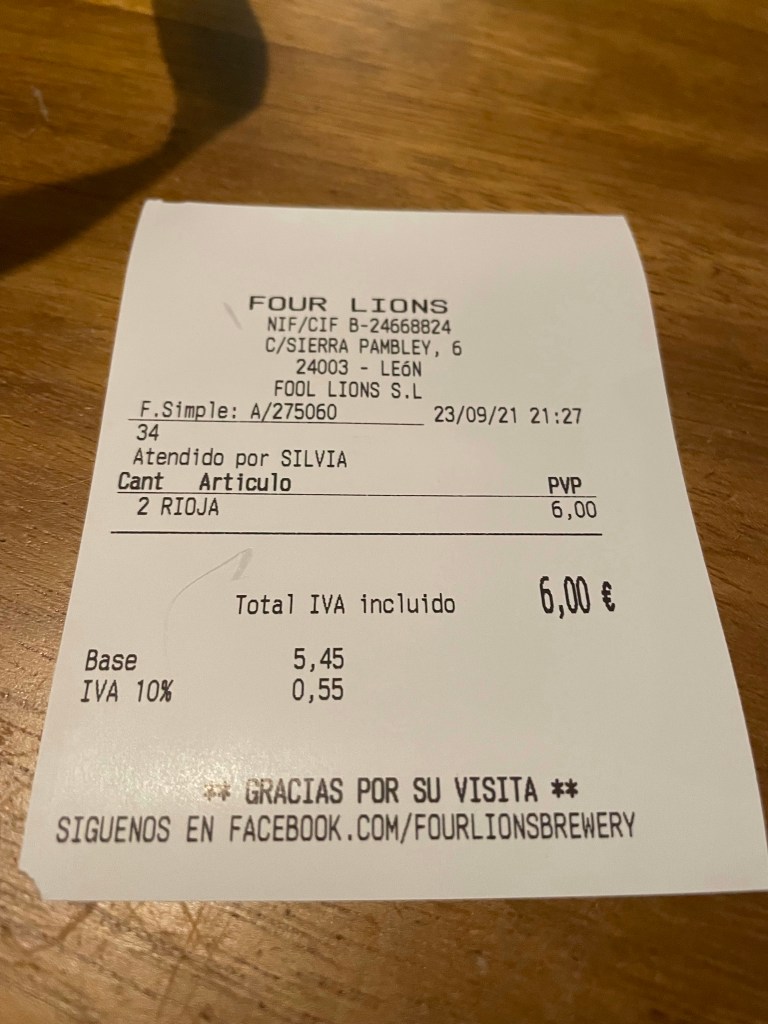
The apartment is located in the busy old town, right around the corner from the Cathedral. We are close to several museums that we want to visit, especially the Gaudi Museum, just down the street. There are hundreds of options to eat and drink nearby, but our favorite neighborhood is called the Barrio Humedo (wet quarter), so named because of all the bars nestled together here. It’s the habit of these bars to serve an appetizer when you order a drink . If you wanted, you could go from bar to bar, ordering a drink, eating the free tapas and never have to buy dinner. We did! Here’s a picture of a sample tapa, drink and the bill. It’s just such a great deal. How do the bars make any money?

The bar we visited before this one gave us 2 slices of thin crust pizza and two glasses of wine for €5.20 ($6.25).

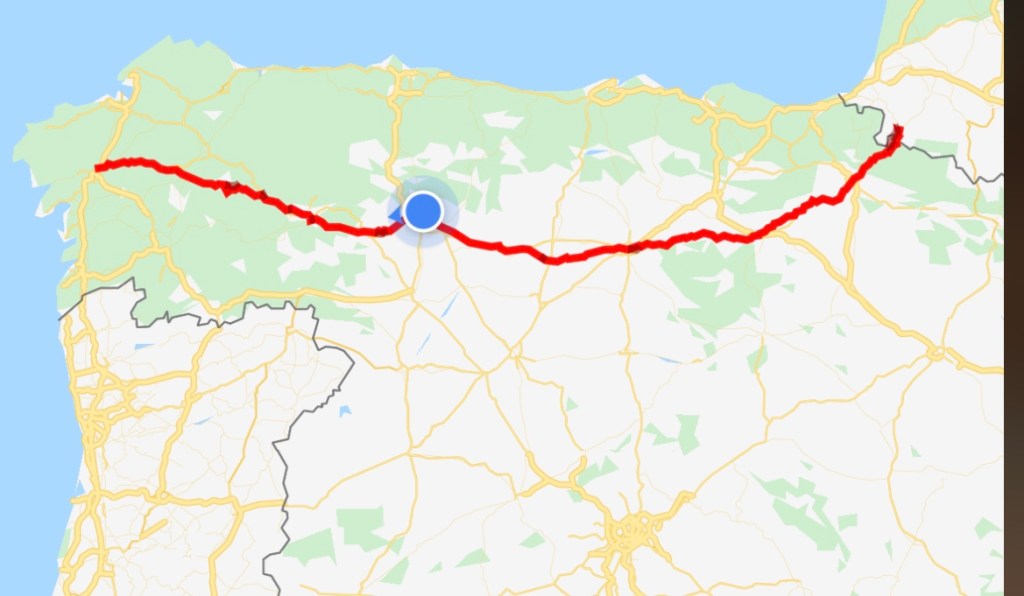
Being in Leon gets us just past the halfway marker in our journey. As I’ve mentioned, we are finding it difficult to find lodging in the locations where we want to stay. So we sat down with our guidebooks and I-Pads and booked out the remainder of our trip. It’s exciting doing this, seeing that we are inching closer and closer to Santiago. The last section of our trip takes us into Galicia, where we will see a different region, culture and climate, and be tested with more ascents.

Fromista, Carrion de los Condes and On to Moratinos

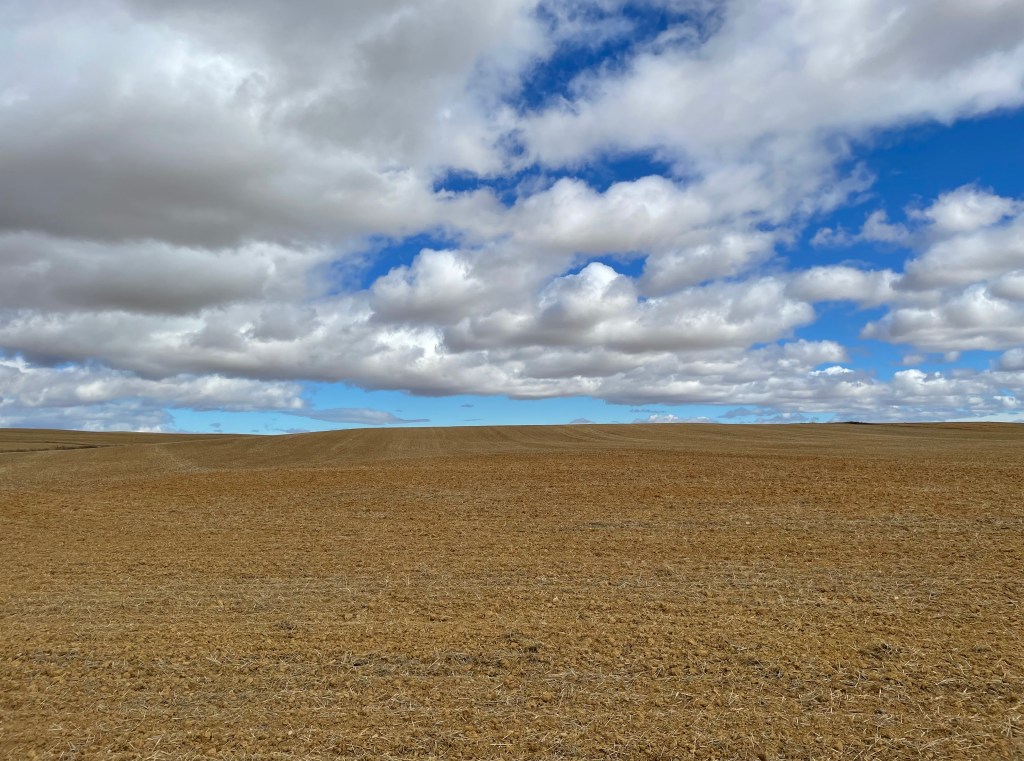
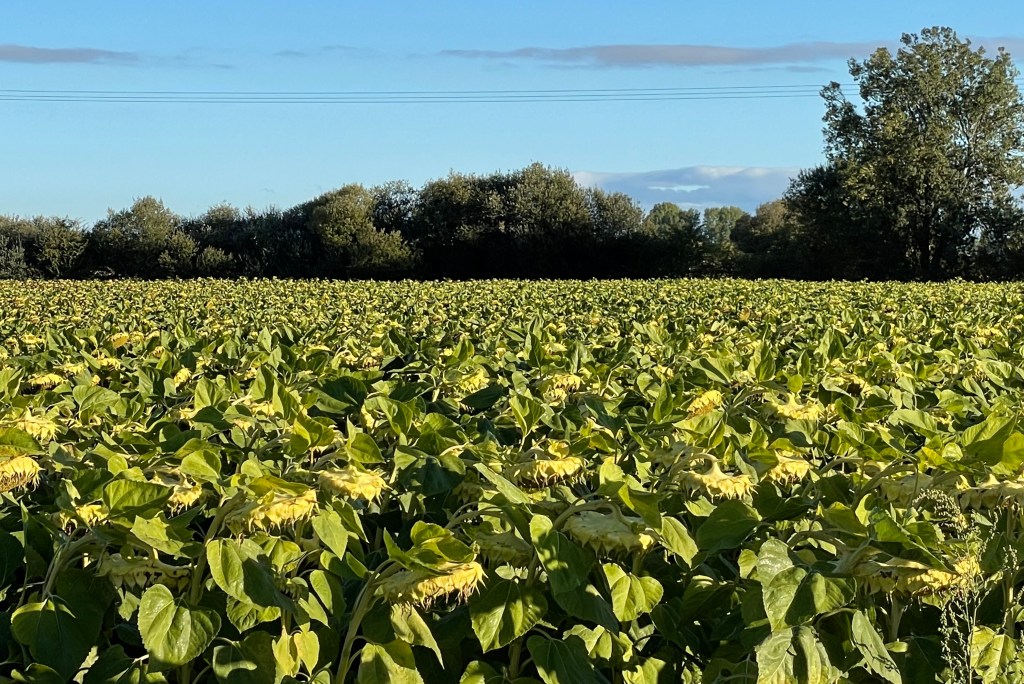
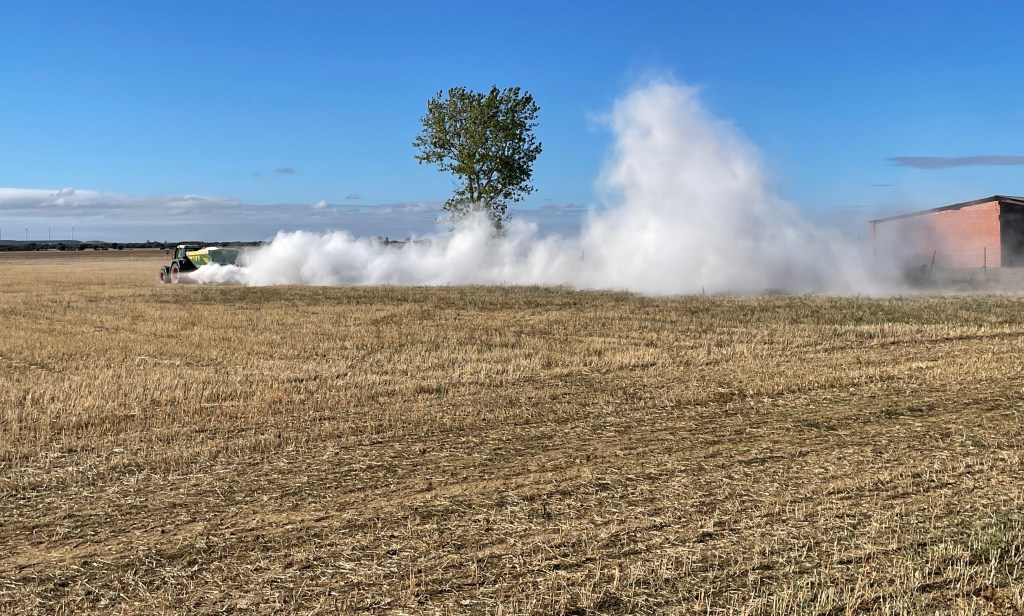
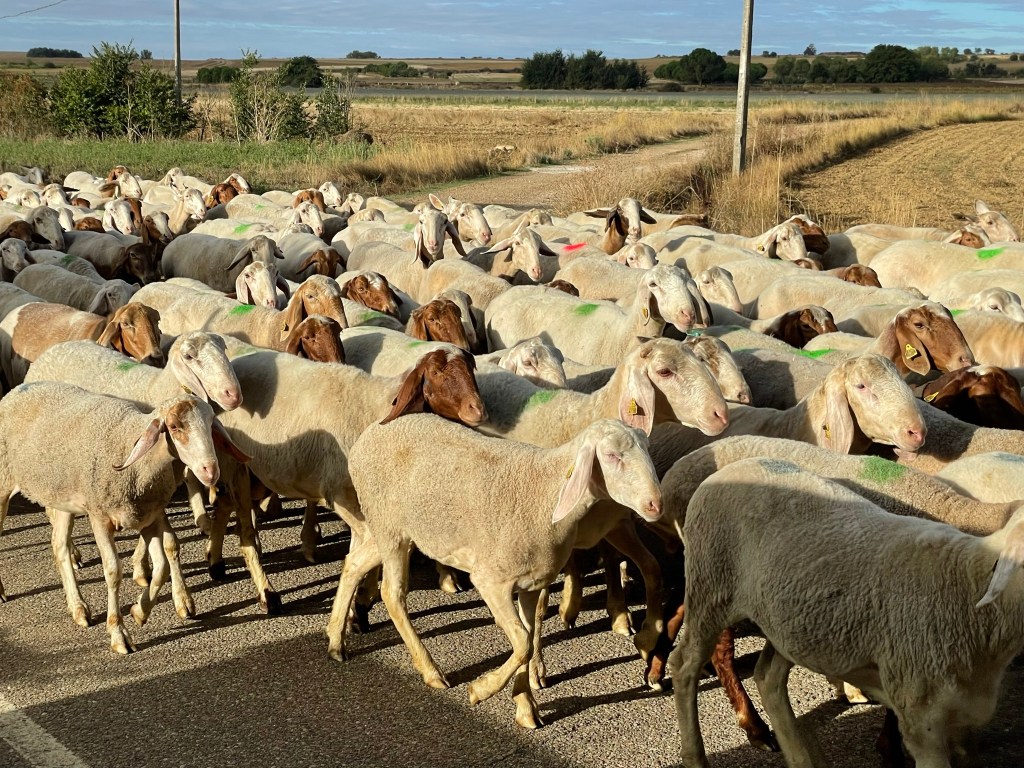
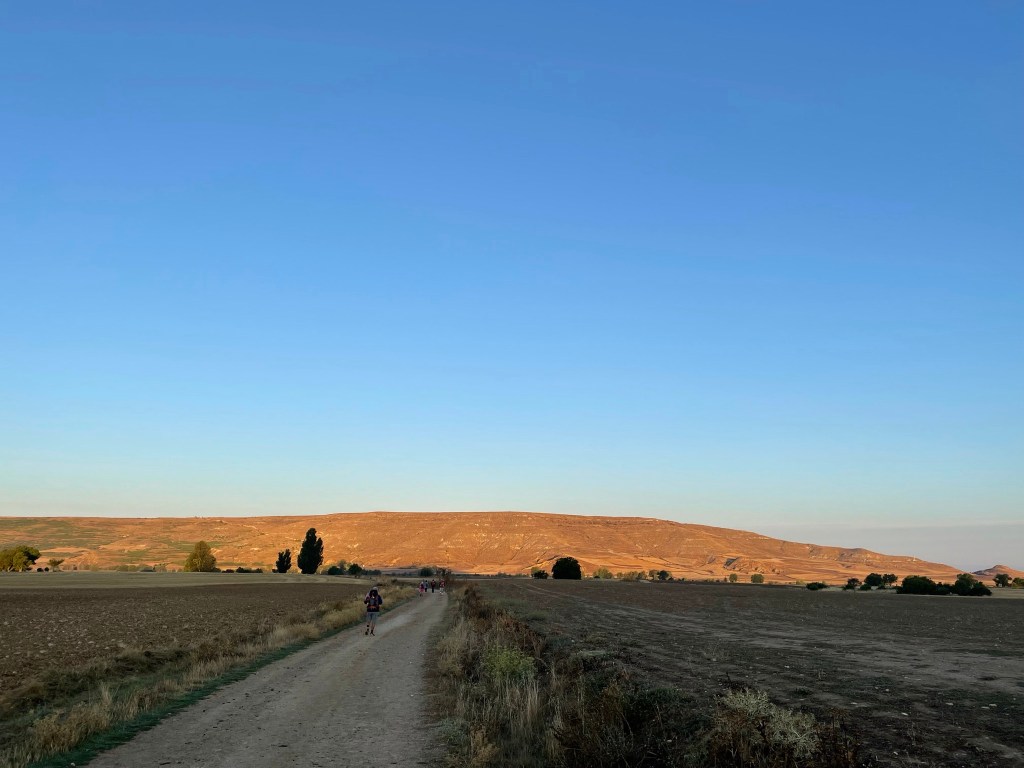
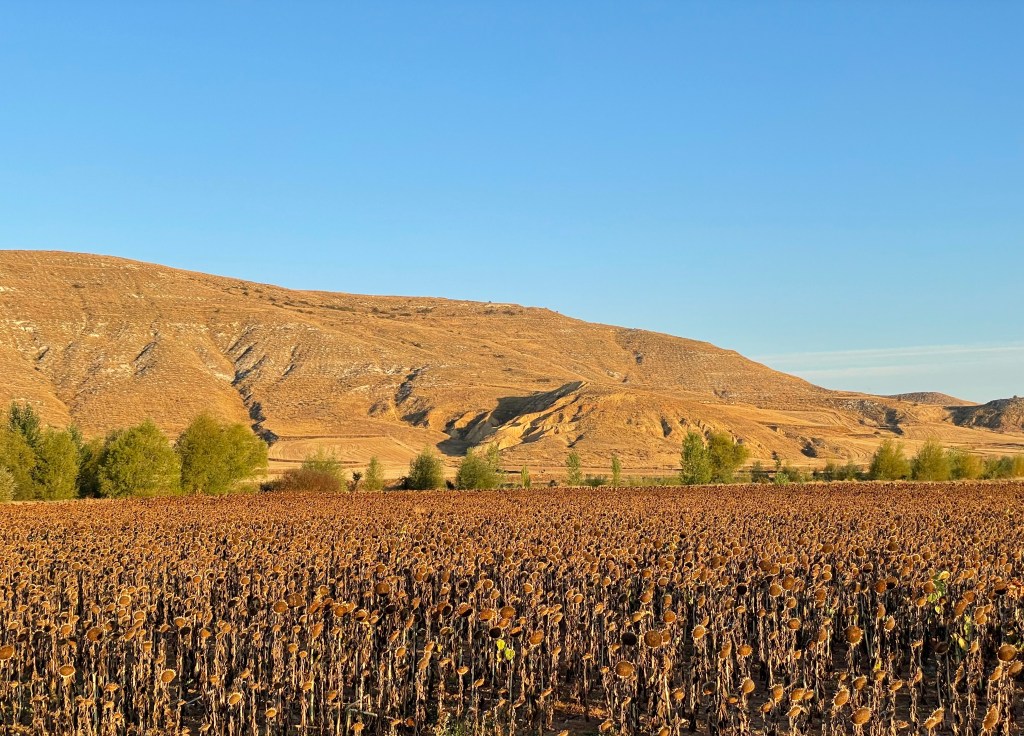
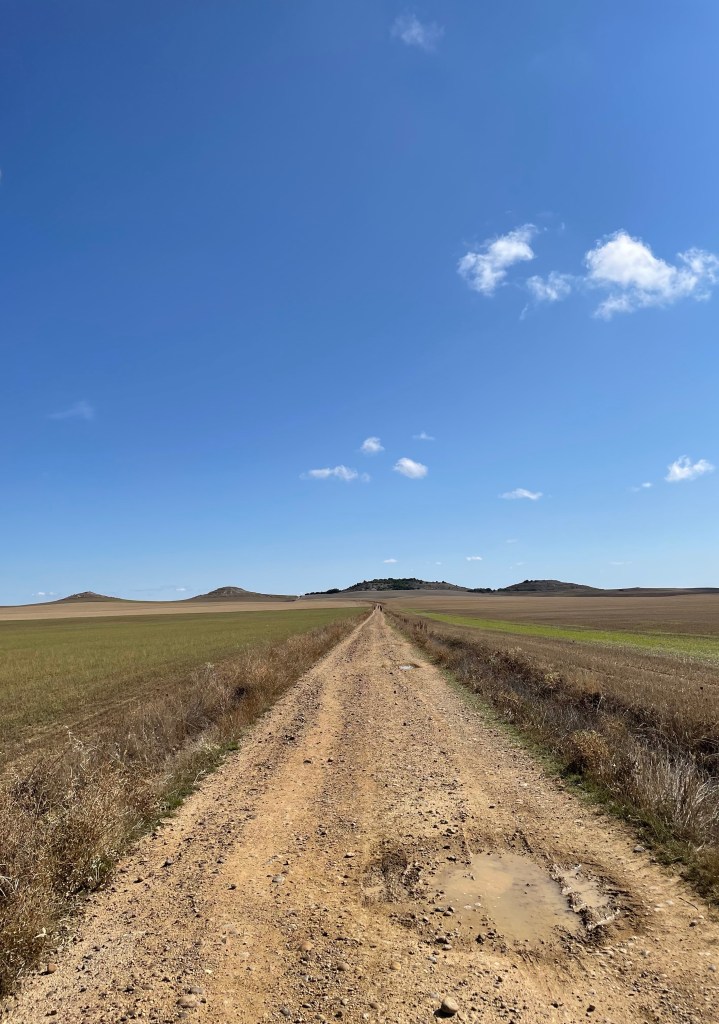
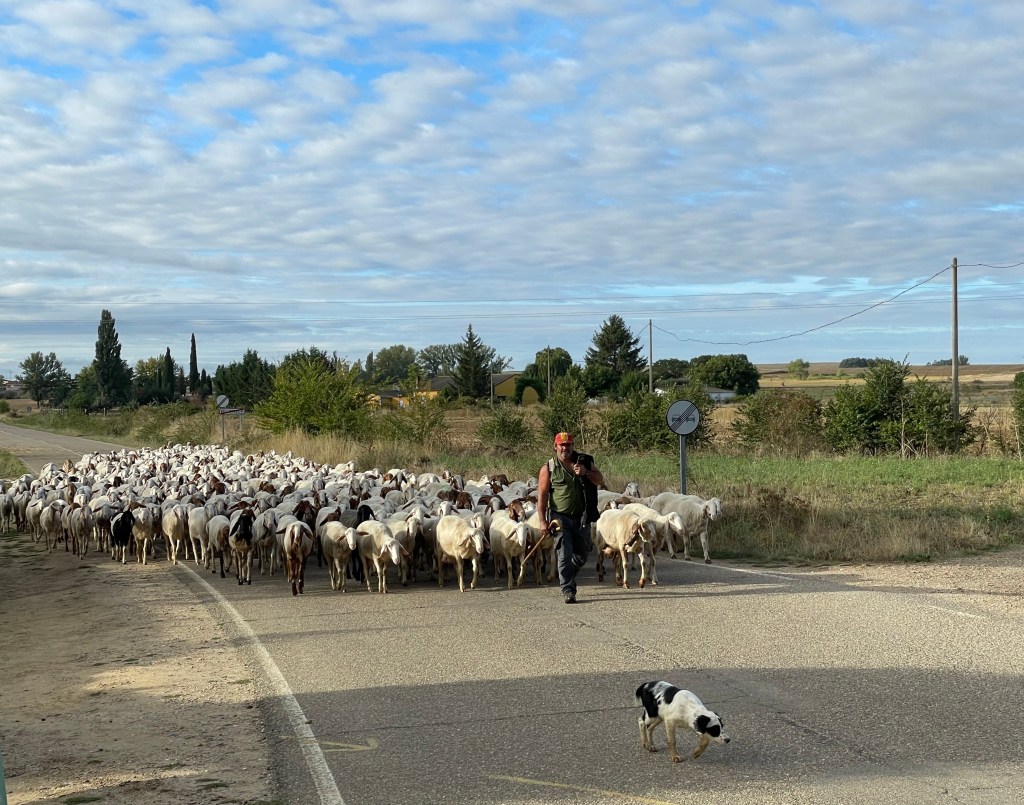
Continuing across the farm belt that is the Meseta, we pass golden fields of cereal crops that are in the middle of fall harvest. The terrain is mostly flat, with little of interest to break the monotony other than a random herd of sheep moving from one pasture to the next, or a grove of aspen trees gleaming in the early morning sun.

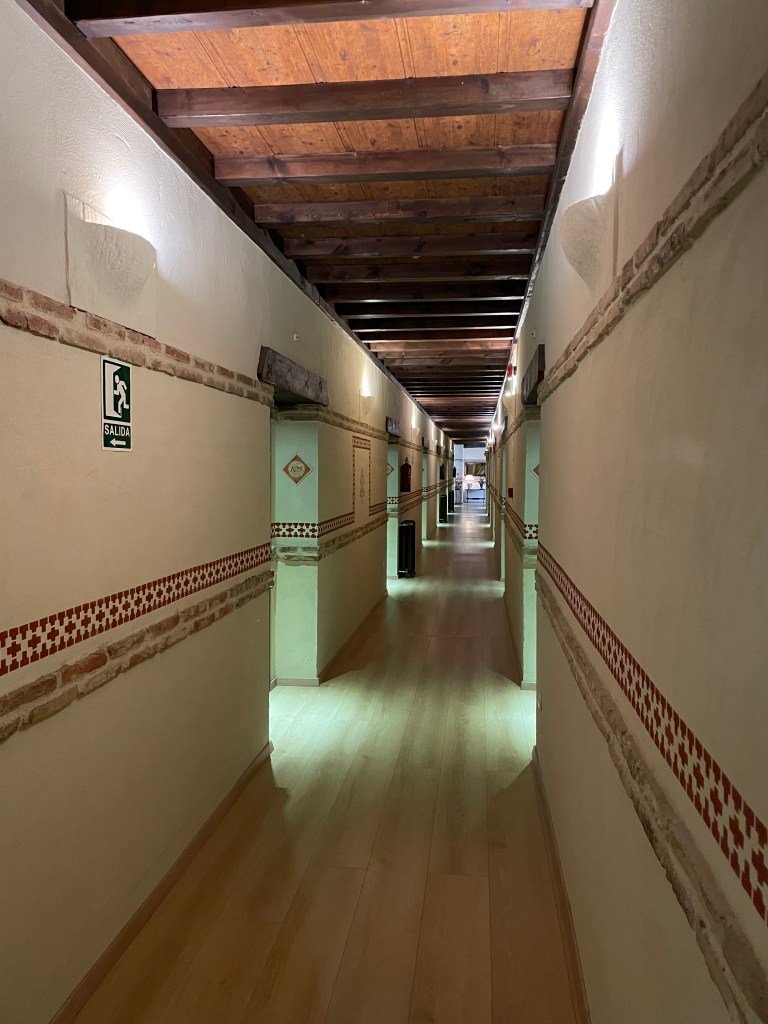
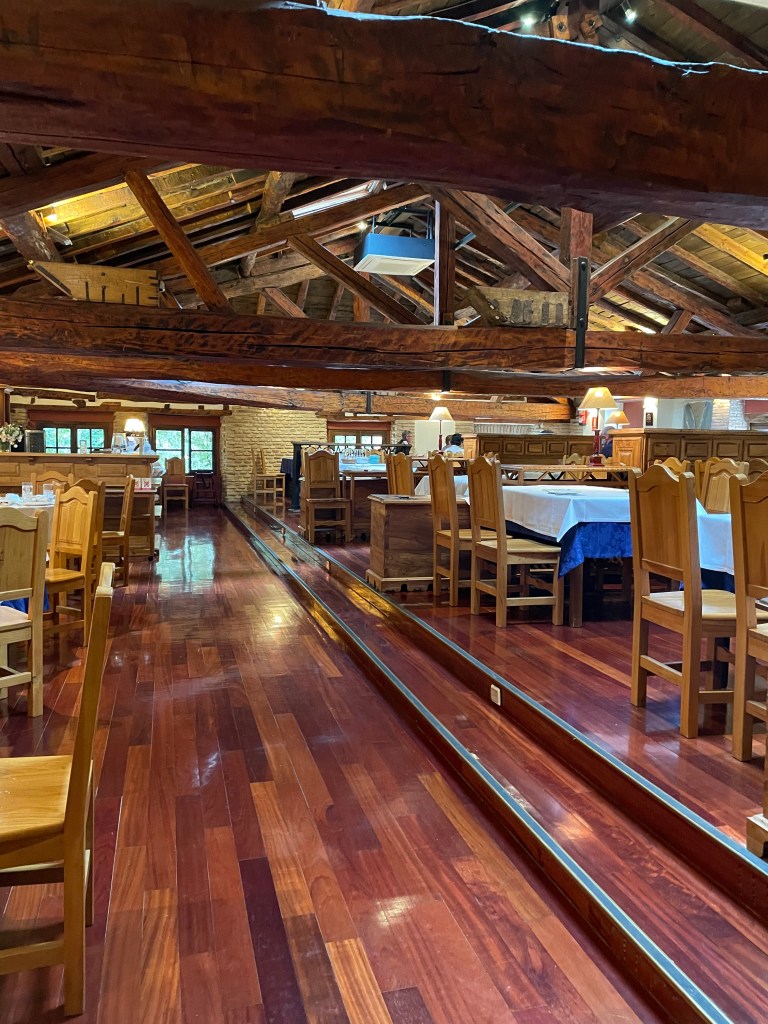
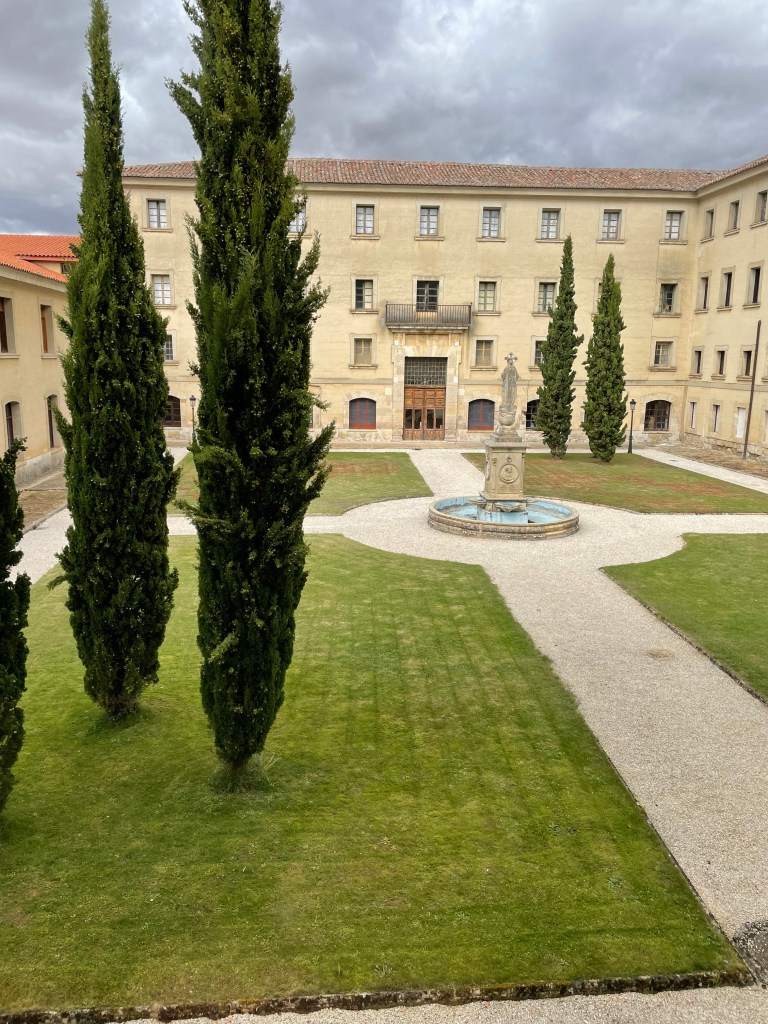
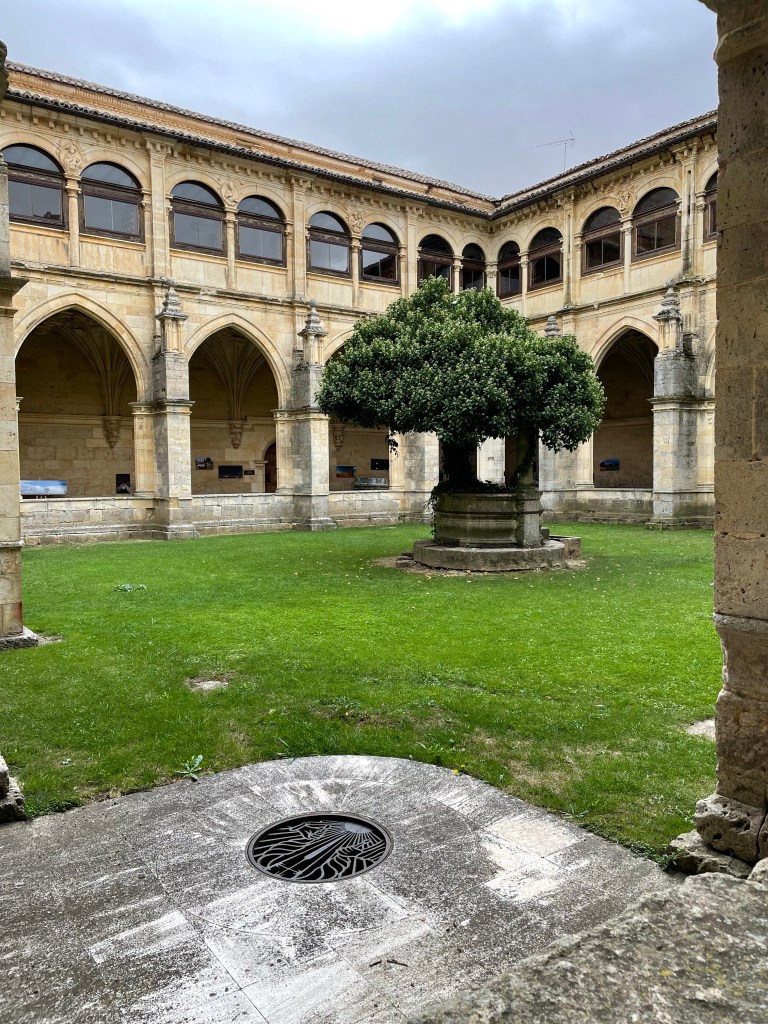
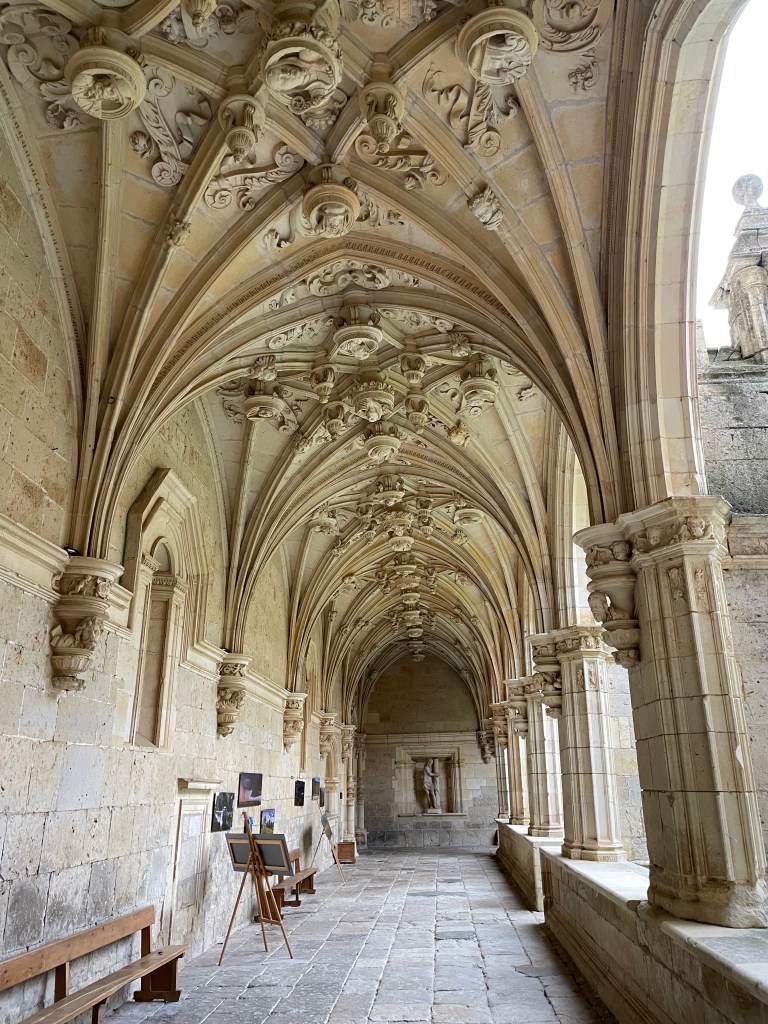
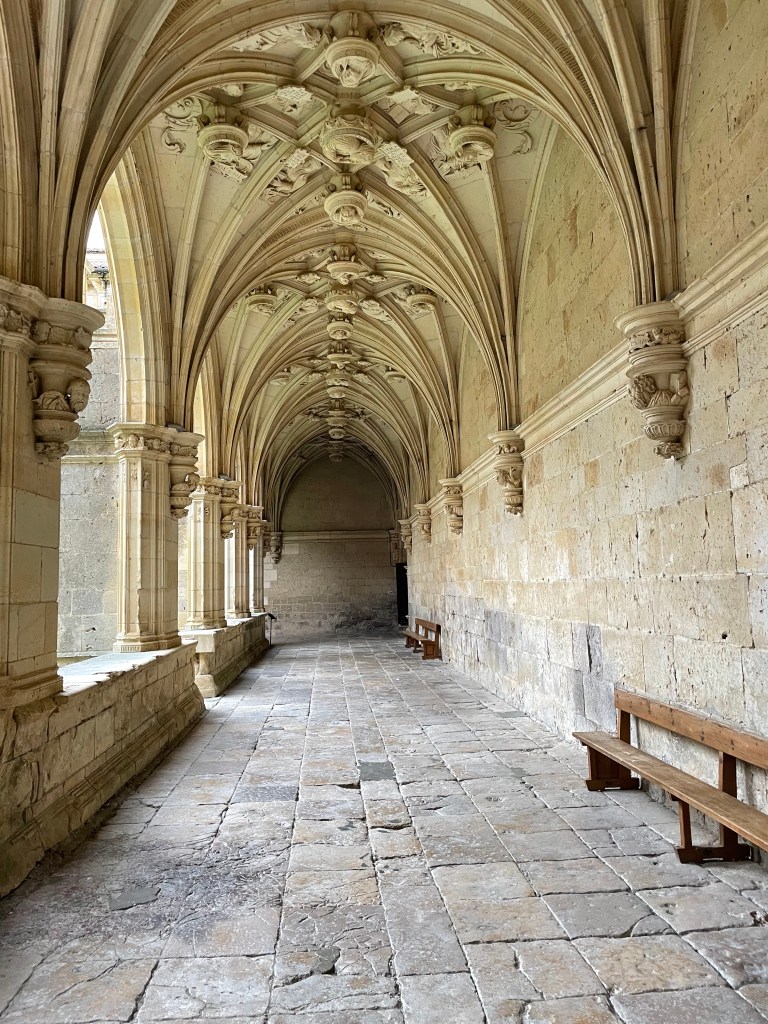
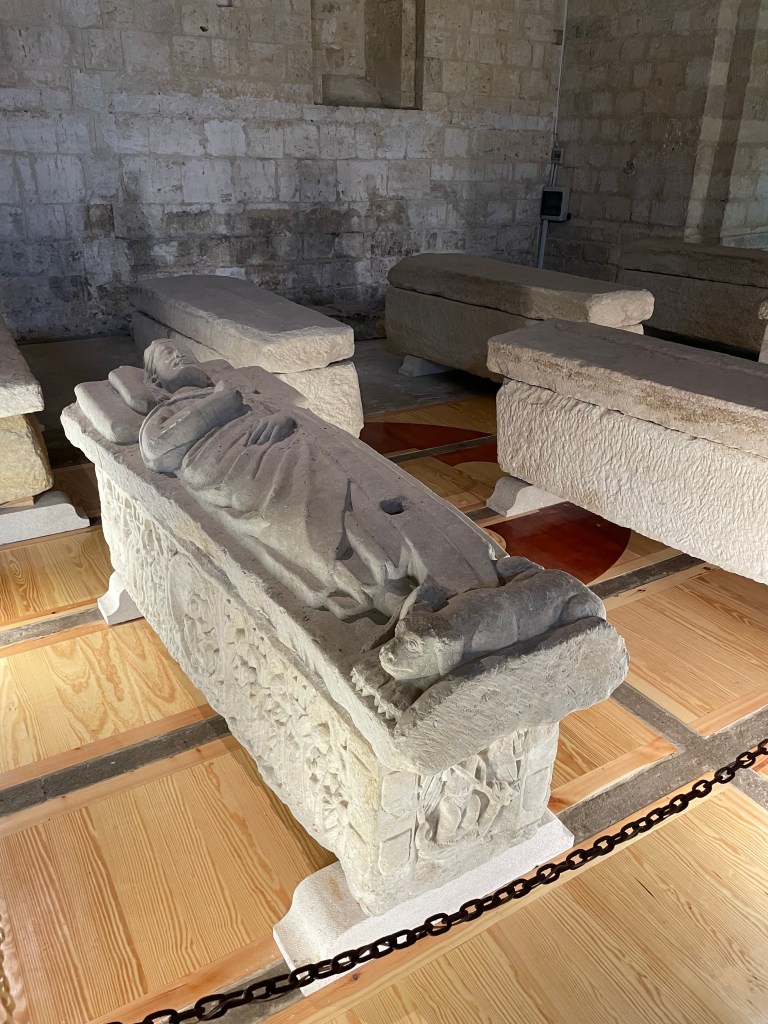
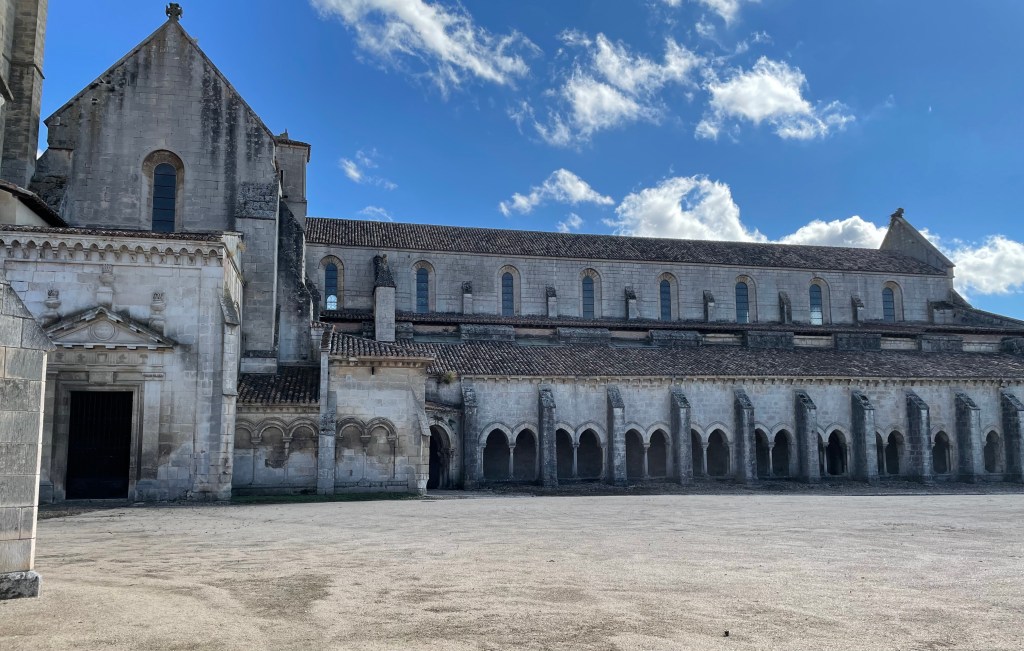
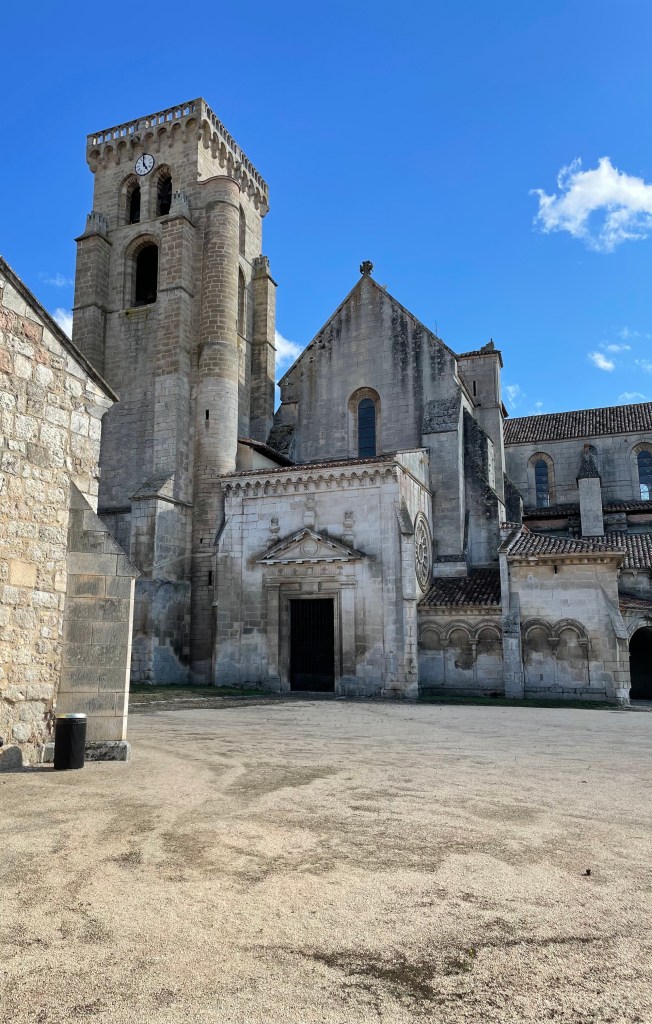
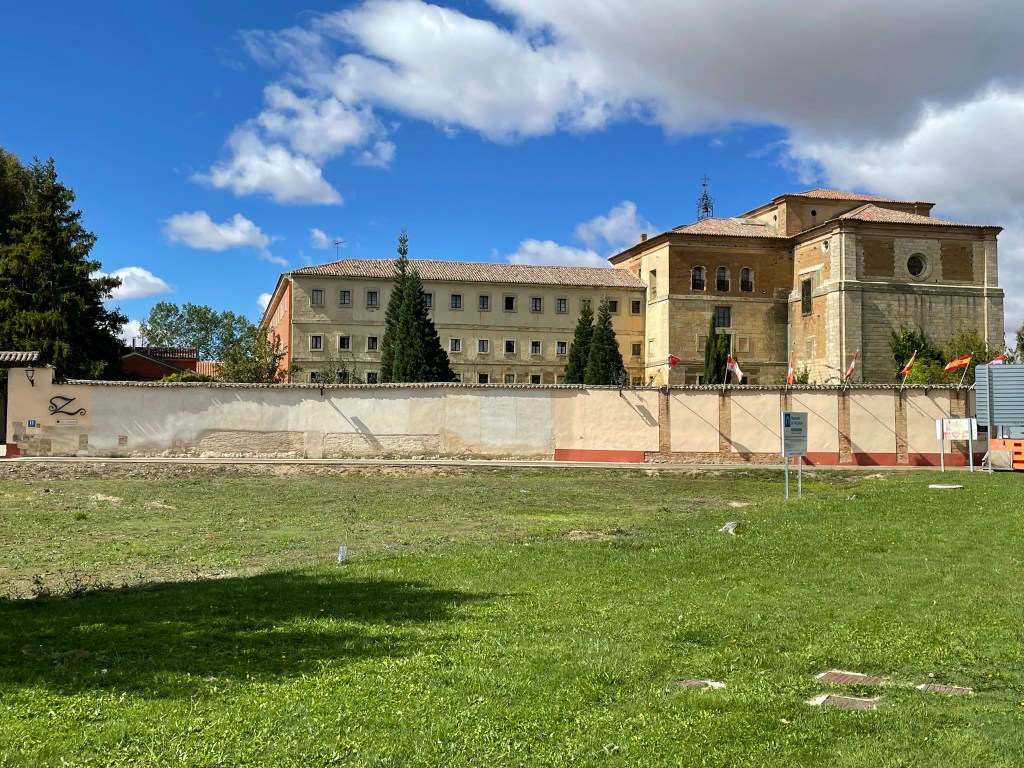
In Carrión de los Condes we stayed at the centuries old Monestario de San Zoilo, once a monastery and now a luxury hotel (price is relative, as we paid about $100 for our room) and restaurant. The hotel is vast, with well appointed rooms, restaurant and separate bar, library, comfortable seating areas and rooms that open up to a common courtyard. To our surprise, there is also a large museum showcasing some of the history of the monastery, including excavated foundations and burial vaults, and, of course, a gift shop.

The hotel obviously caters to curious travelers and pilgrims these days, but the feeling of sanctuary, peace and quiet prayer resonate off the ancient walls.

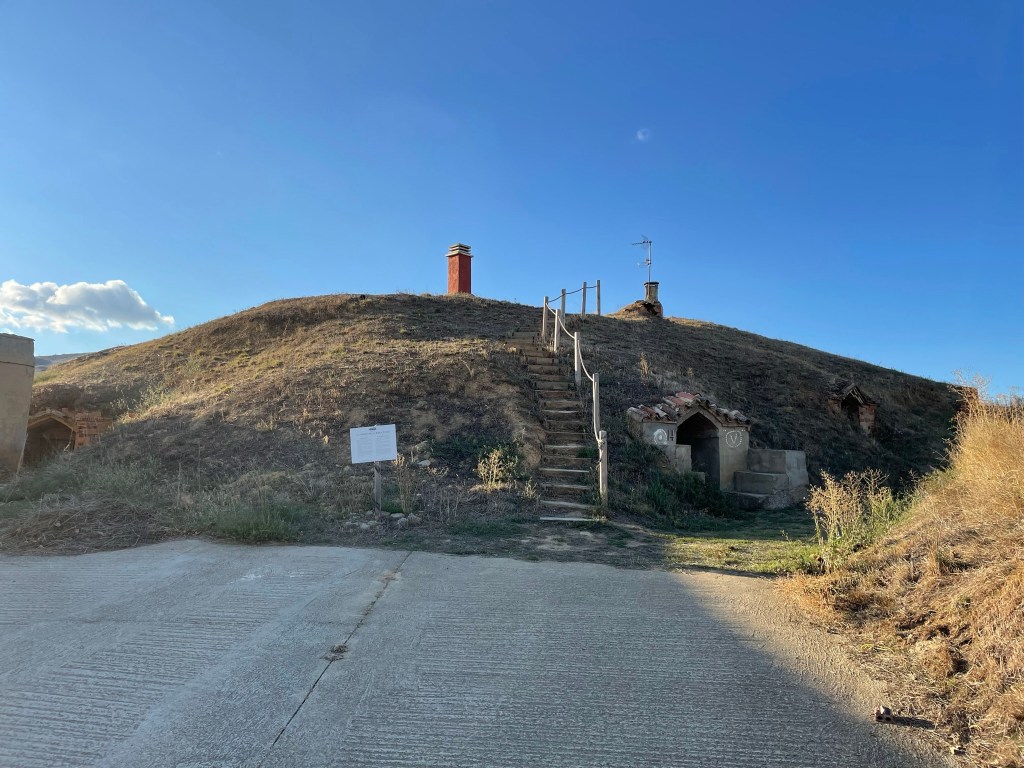
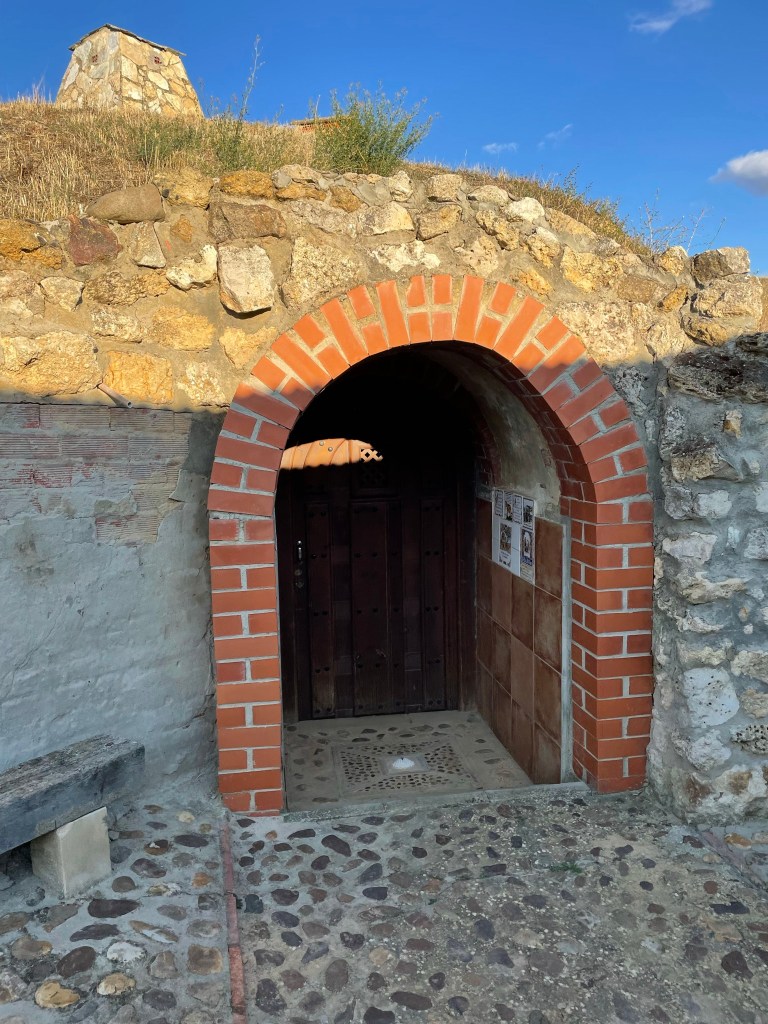
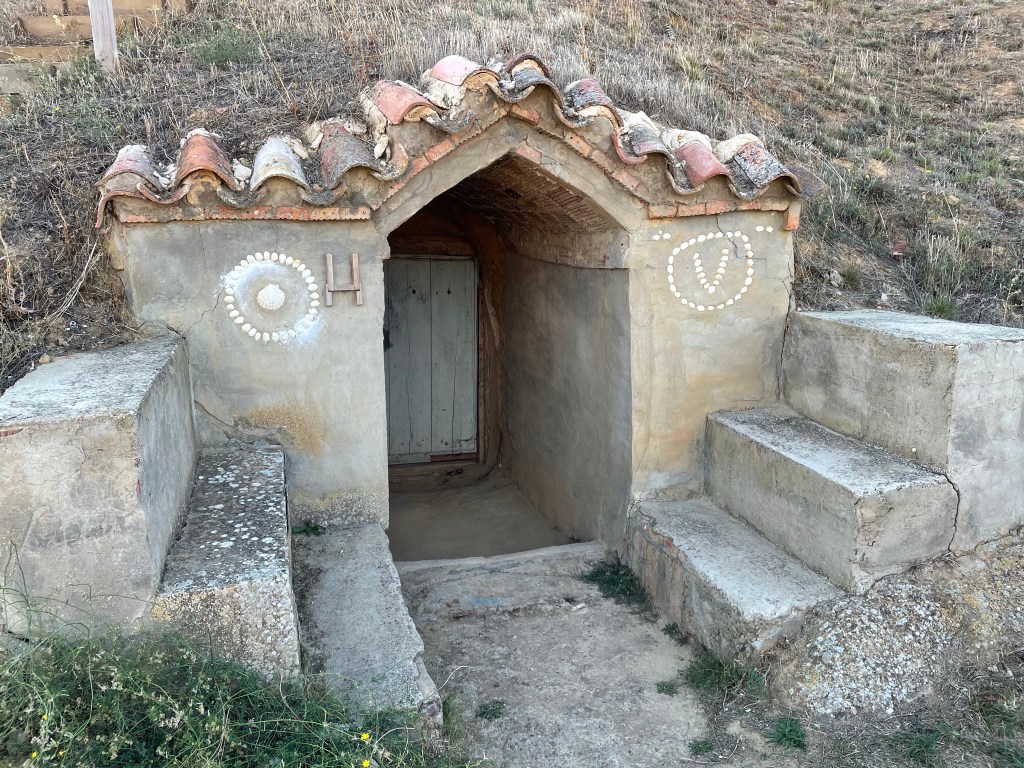
Behind our albergue in Moratinos was a curious mound of grass covered earth, with oaken doorways and dark caves, resembling the subterranean homes straight out of “The Hobbit”. There was even a bar set up to serve the locals and visiting pilgrims.

One of our favorite breakfast foods in Spain is simply a piece of bread, lighty toasted, with a drizzle of olive oil, and covered with freshly pureed, ripe garden tomatoes. That, along with a cafe con leche, is heaven, and enough motivation to keep us walking.

After Burgos

We haven’t had a chance to post the last few days, so I’ll try to catch up now. After leaving Burgos we had a short walk to Rabe de las Calzadas, which was a good way to get our legs Camino ready again. However, the main reason for our stay here was that we had difficulty booking lodging within our desired walking distance of about 10 to 13 miles per day. We are also having trouble booking out past today on the way to Leon. We’ll probably have to walk either longer or shorter days. That’s not ideal.

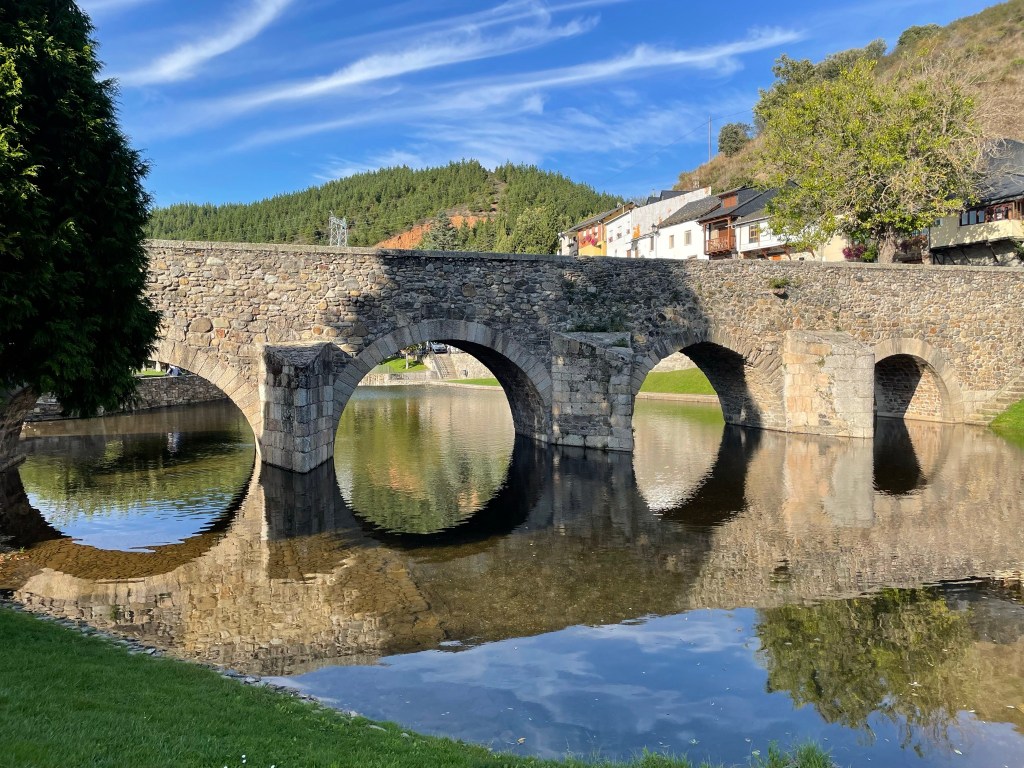
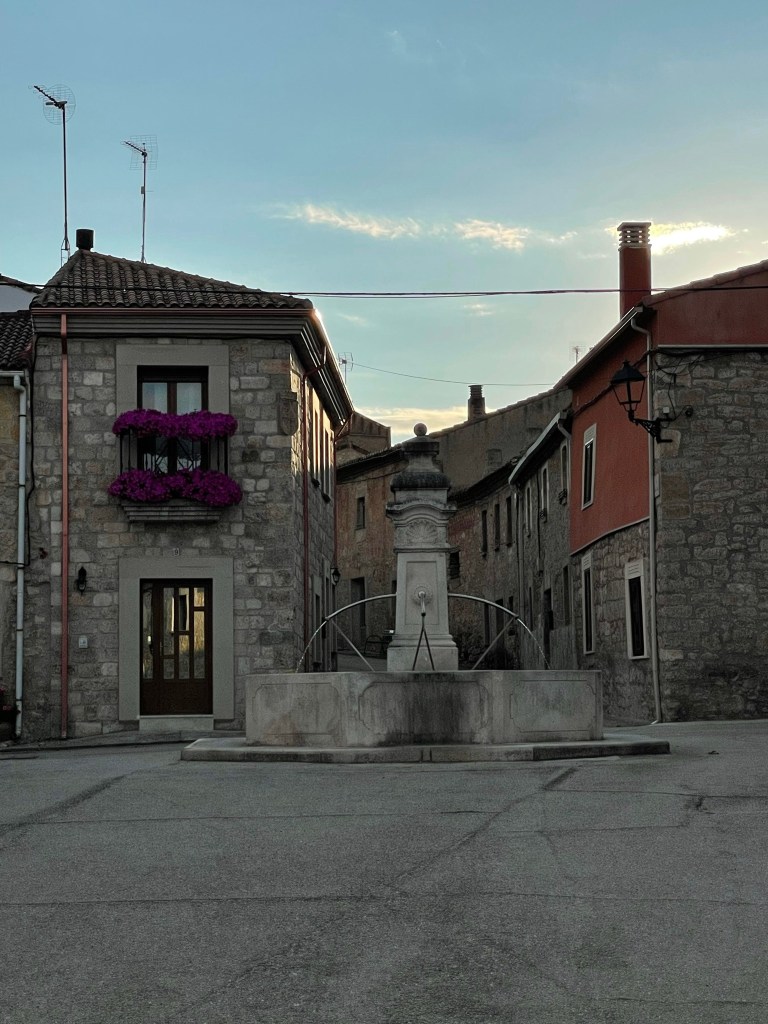
Even though some of the smaller towns we have lodged in don’t offer much in the way of a variety of restaurants or bars or stores, each one is chock full of medieval walls and churches, public plazas and fountains and narrow crooked streets that add tons of charm.

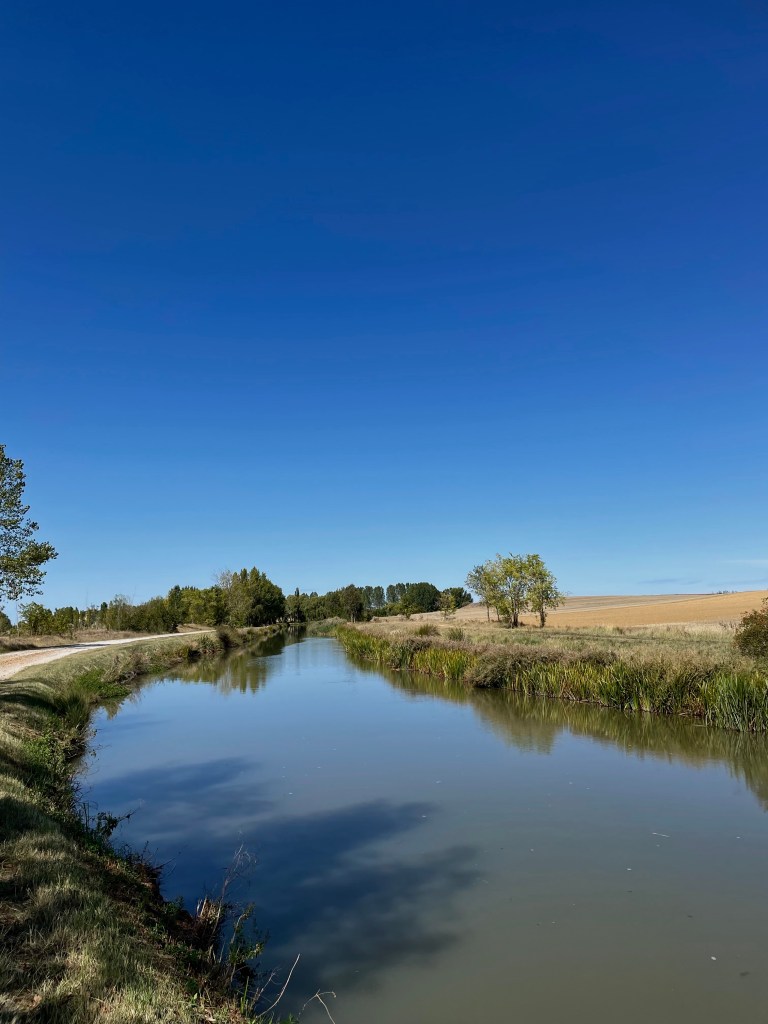
We are making slow but steady progress across Spain. We have traveled more than 200 miles of our journey so far, close to the halfway point which is Leon. As I mentioned, we are now on the high plateau called the Meseta. Much of the terrain is golden fields that have recently been harvested, the smell of freshly turned soil in the air. The gravel paths are mostly treeless and sometimes windswept, lined by irrigation ditches, with red and purple berries, tiny bright wild flowers and thick thorny bushes reaching up from the moist earth.

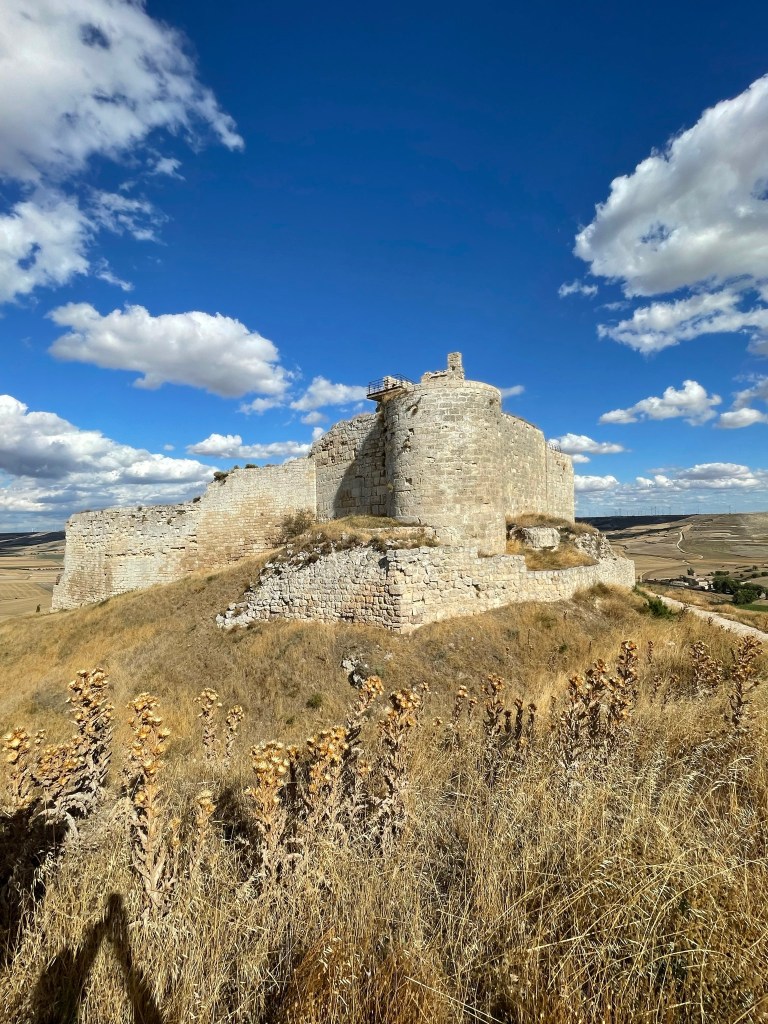
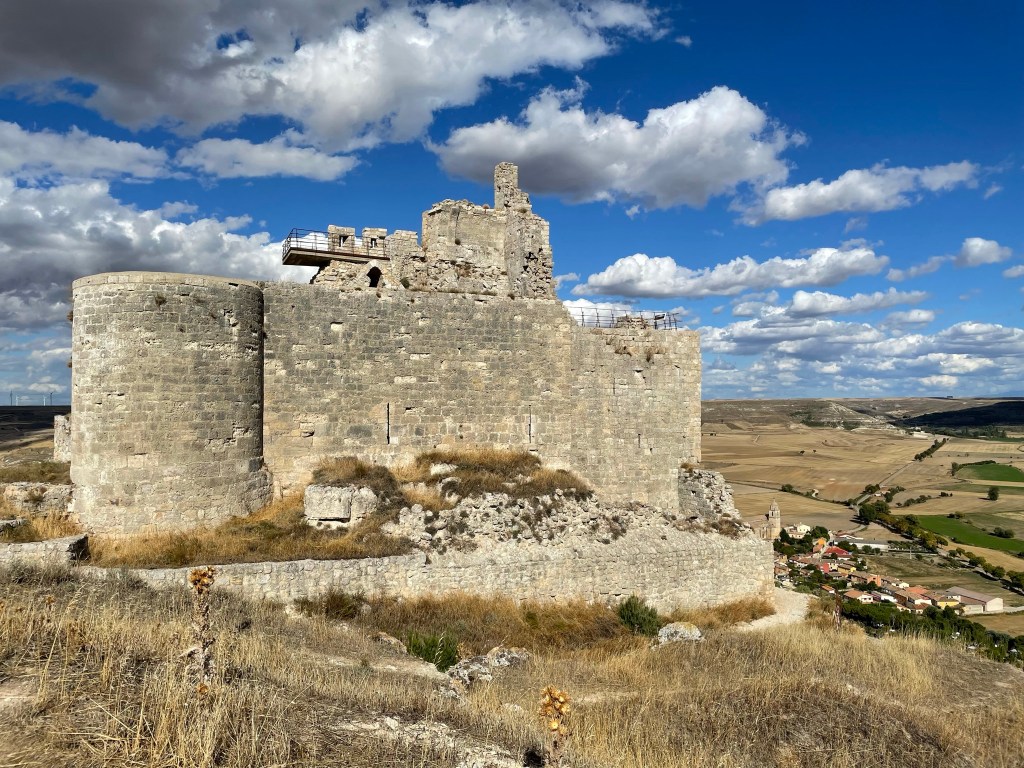
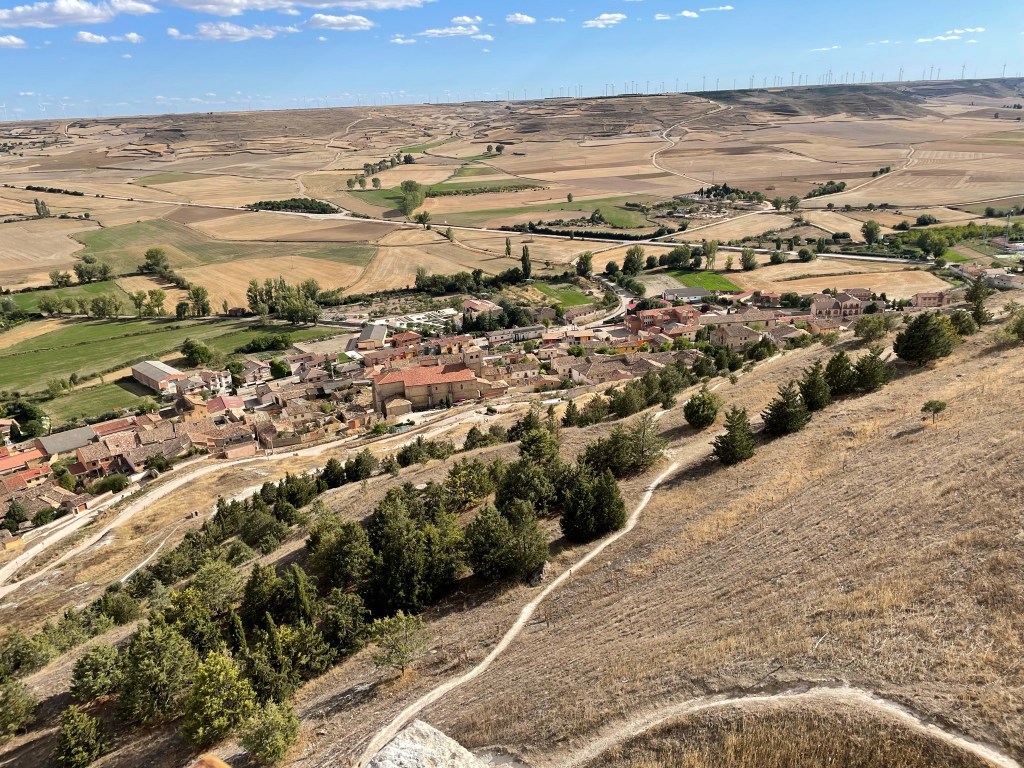
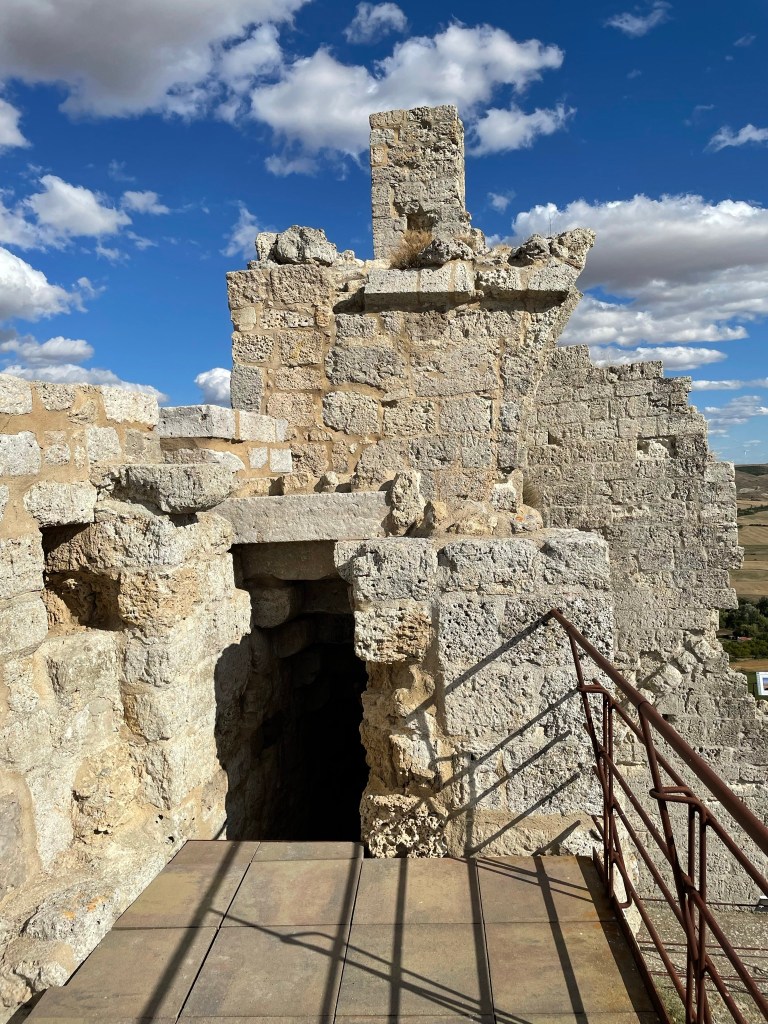
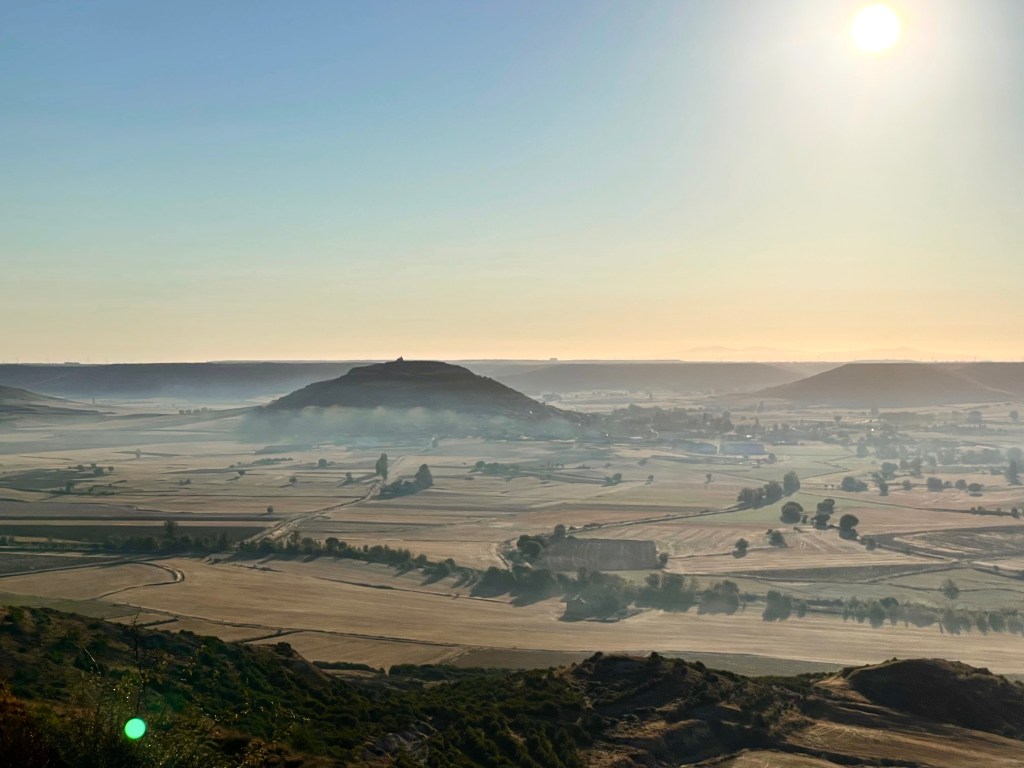
Last night we stayed in the ancient pilgrim city of Castrojeriz which climbs from the road up the side of a rocky hill. High above the village are the ruins of a 9th century castle, with spectacular views of the surrounding countryside. The climb to the castle is on a steep, single track dirt path, but the effort is worth it!

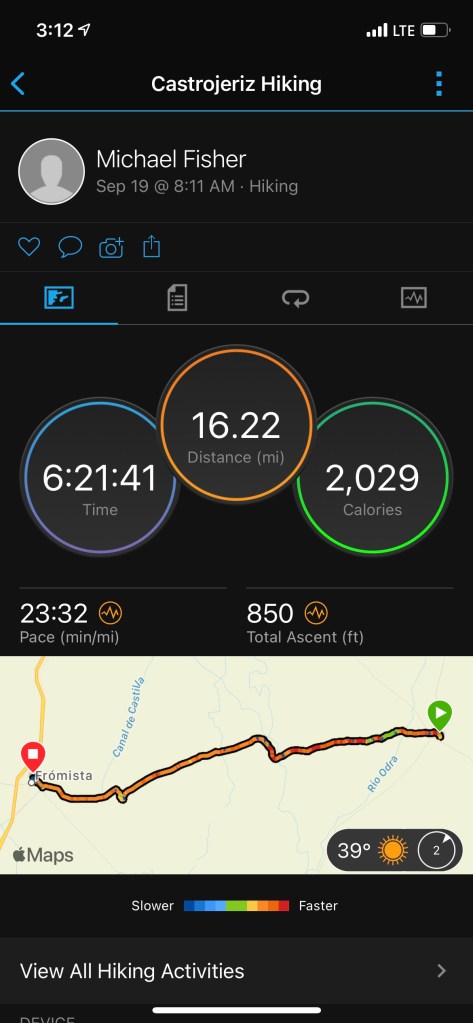
Upon leaving Castrojeriz early this morning, we immediately climbed nearly 500 feet in a very short time. The ascent was strenuous, but again the view from the top was rewarding. It was a crisp 41 degrees when we left the city in the morning but I had to shed my long sleeve shirt by the time I reached the top! The days hike was long, the scenery rarely changing. It gave us plenty of time to think and reflect. Some graffiti on one of the roads signs read ”Be here, now”.

This was one of our longest hiking days. My Garmin Solar Instinct sums it up well:

A Rest in Burgos

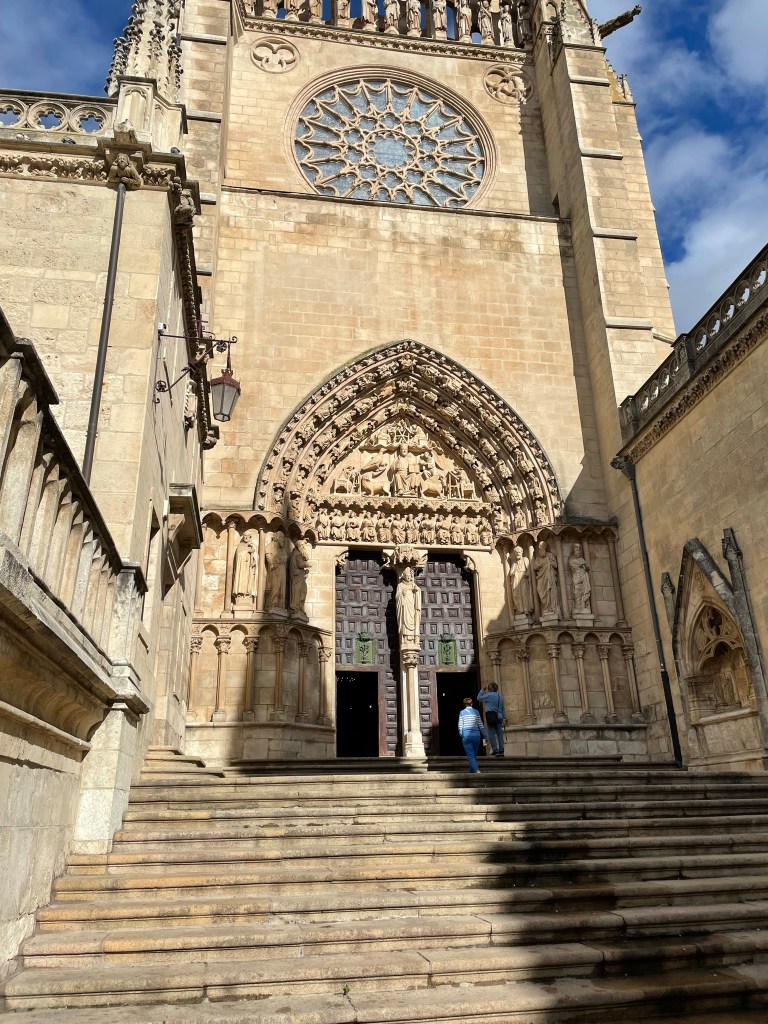
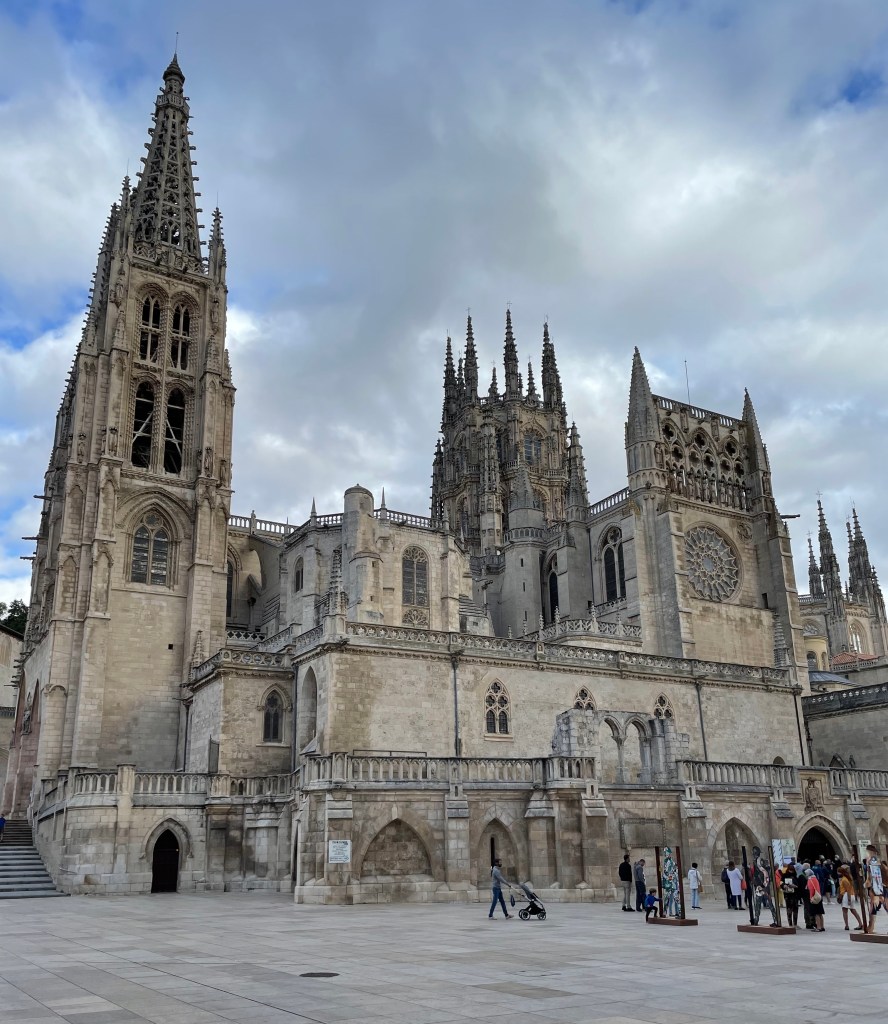
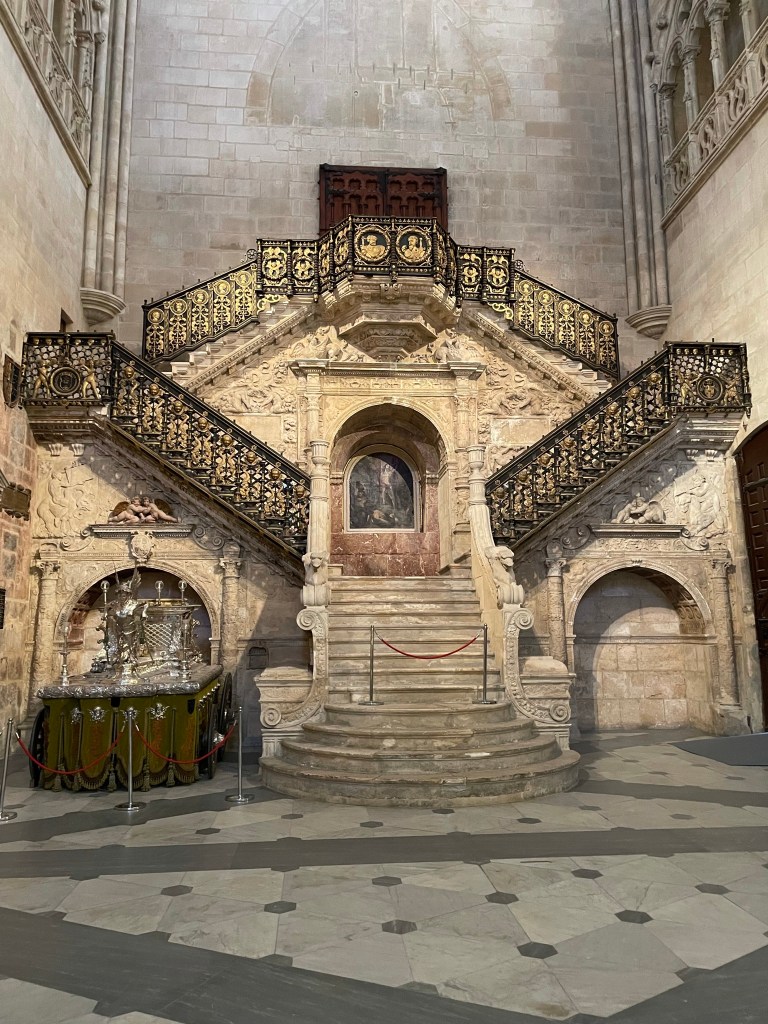
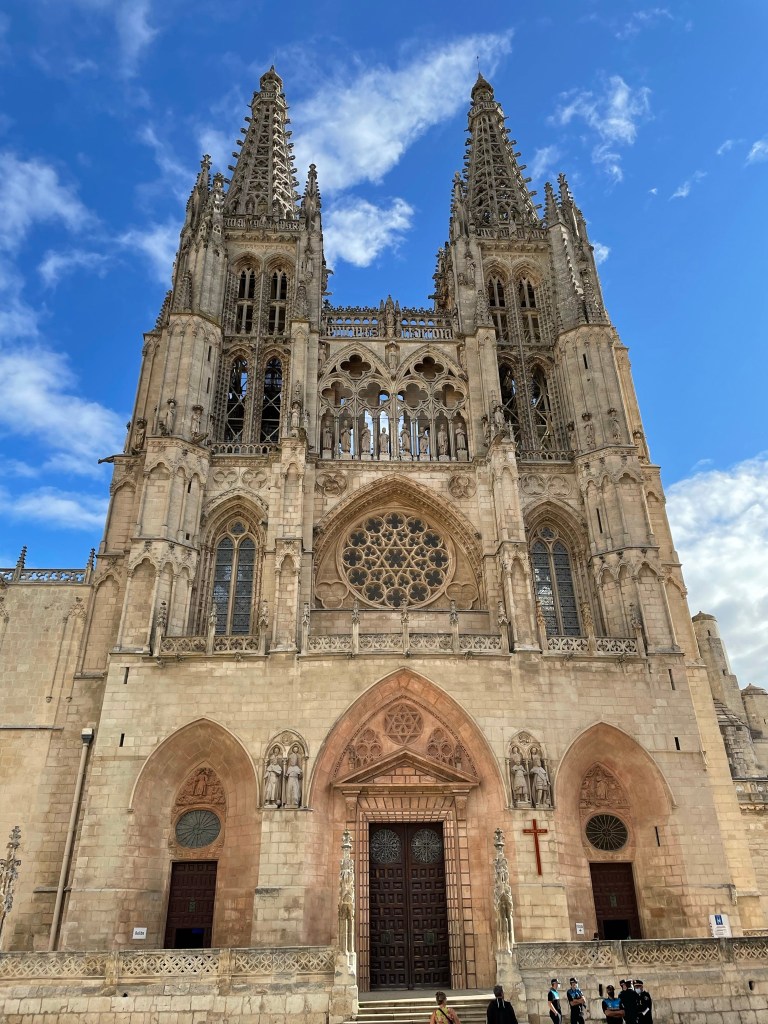
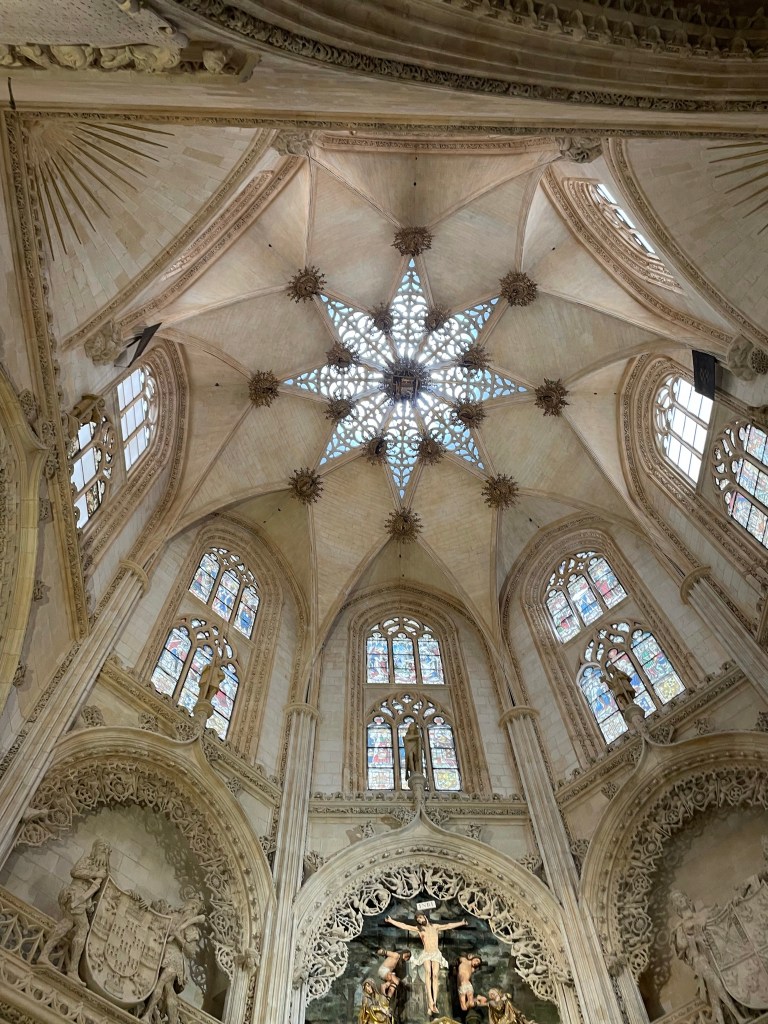
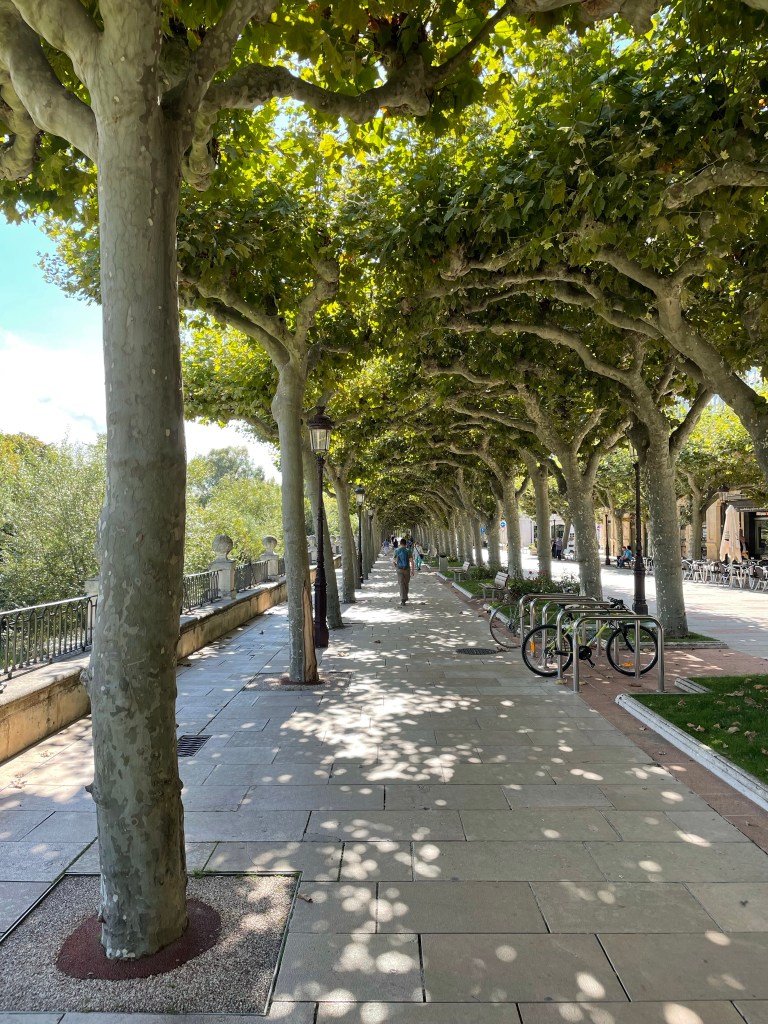
Burgos is a beautiful historic city dominated by the French inspired gothic Santa Maria Cathedral, the massive church built in the 13th century. It is renowned not only for its size and elegant spires but also for the treasures that lie within.

Here, we enjoyed catching up with other pilgrims we have met along the way, healed some of our aches and pains and planned for the road ahead.

From Burgos we start to enter the Meseta, the high central plateau (about 700m to 950m) that stretches for here to Leon. Even though Spain is more mountainous than many other European countries, the Meseta still comprises about 40% of its landmass. It is said that many pilgrims skip this section of the Camino because of its desolation and monotony, and head straight to Leon to start again. After walking such varied terrain as we have in the last few weeks, it will be quite a change for us. Here is a topographical map to show the landscape (Burgos is to the far right):

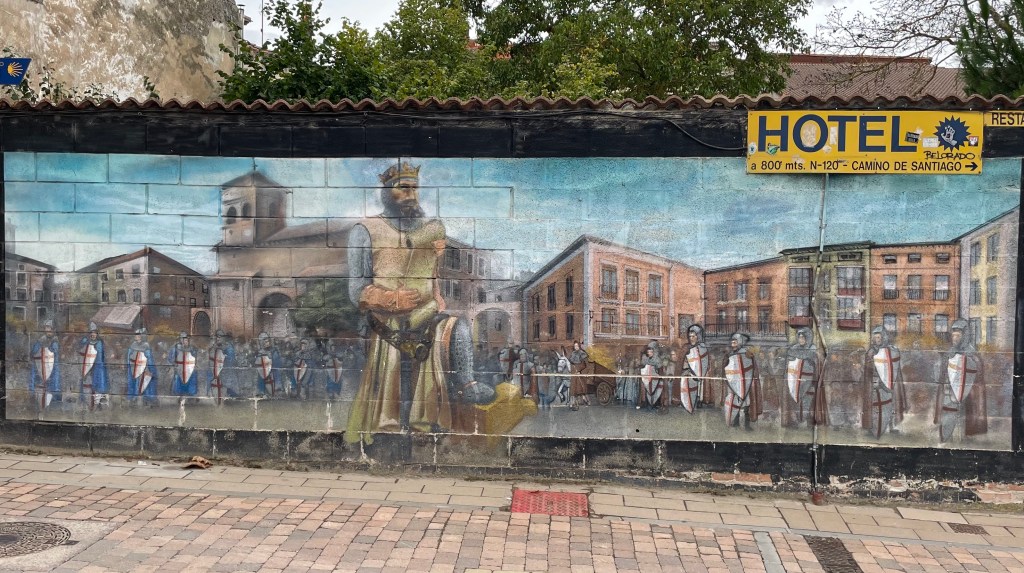
Najera to Santo Domingo to Belorado

Its been a busy few days moving forward to our next big stop in Burgos. We’ve been hearing from many of our friends that are a day or two ahead of us. Several of them are having health issues ranging from blisters to twisted ankles, from bad knees to sciatica nerve pain. Several of those afflicted have abondoned the Camino and bused or taxied to Burgos for rest and convalescence. We know that we have been fortunate. However, after the 14 mile hike from Najera to Santo Domingo yesterday, Carrie has developed a few blisters that are painful to walk on, even with careful bandaging and using sock liners along with our anti blister wool socks.

A Hikers Best Friend

So, after arriving in Santo Domingo, we’ve decided to stay off the road for a few days so she can recover. We caught a bus to Belorado today (about $5!) and will bus again to Burgos tomorrow. We’ll catch up with friends and see the historical sites there. Many have said that the first third of the Camino is physical, the second third is mental, and the last third is spiritual. I certainly agree with that adage so far.

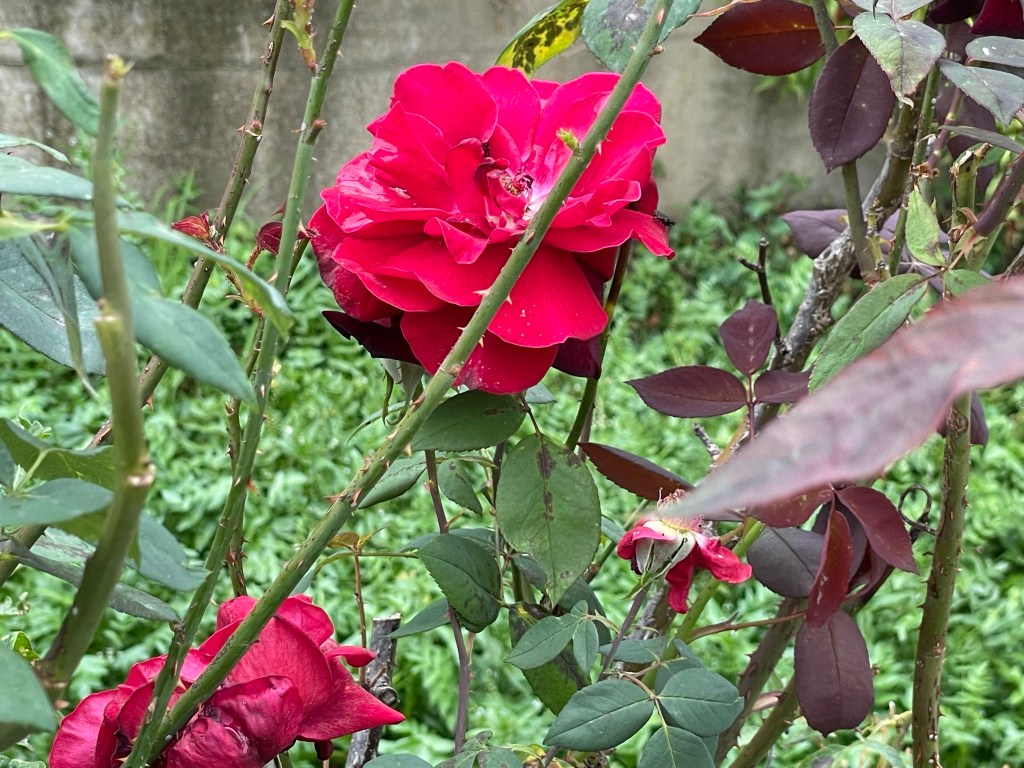
We continue to see beauty and inspiration as we make our way to Santiago. Here is more proof:

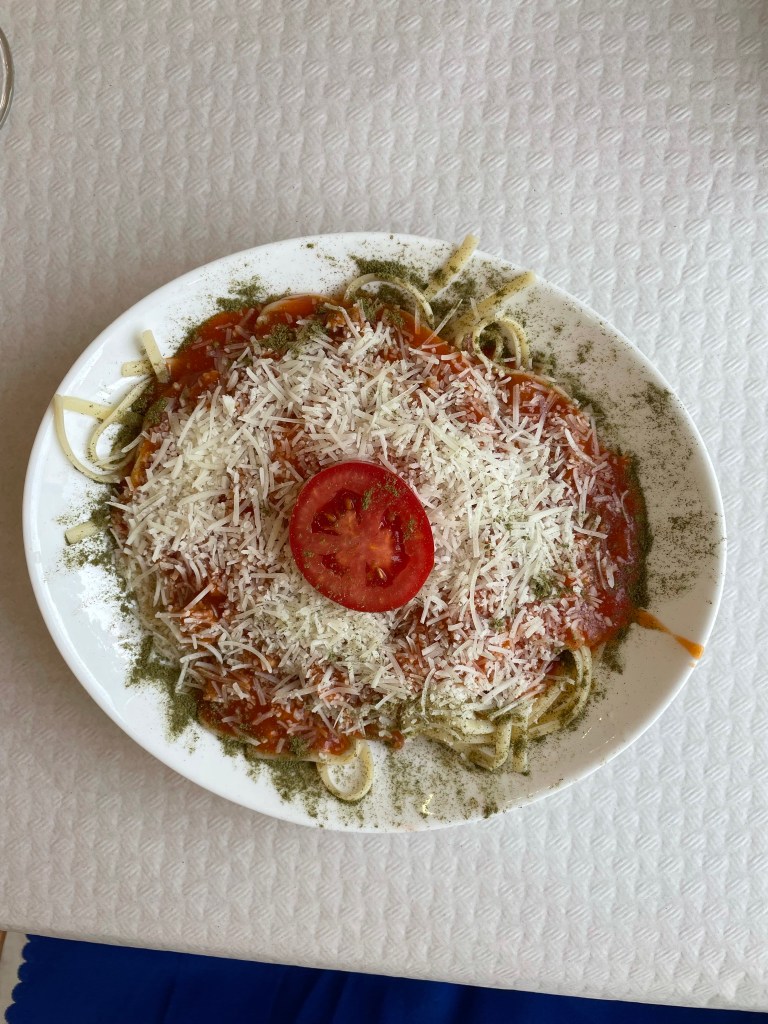
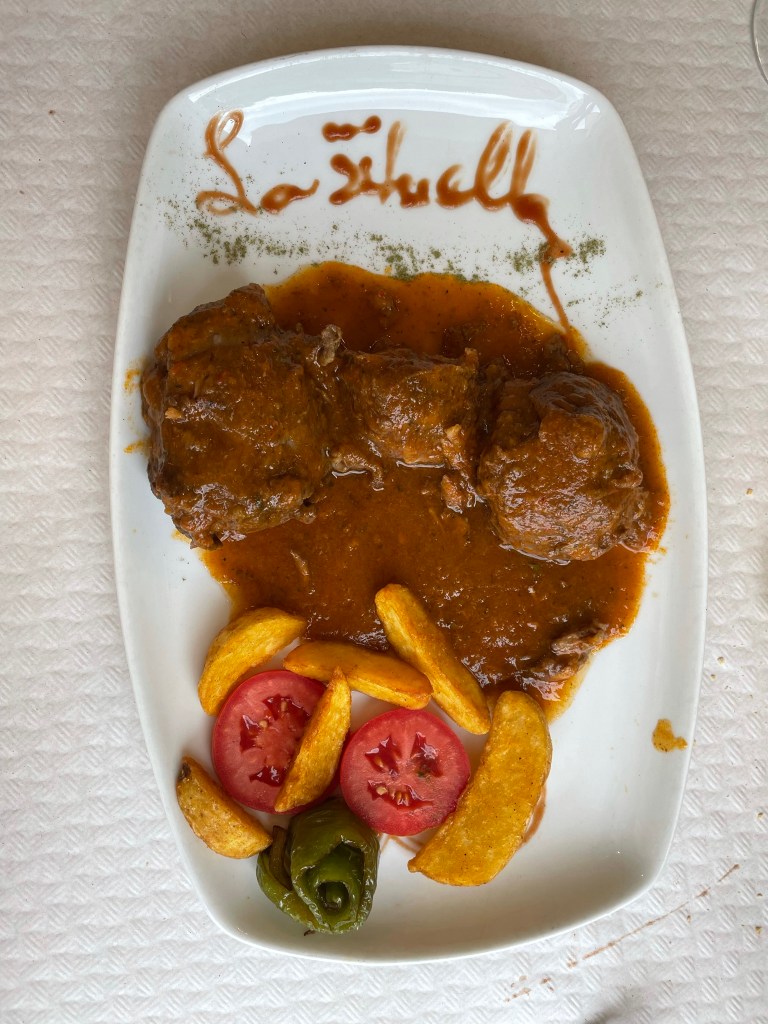
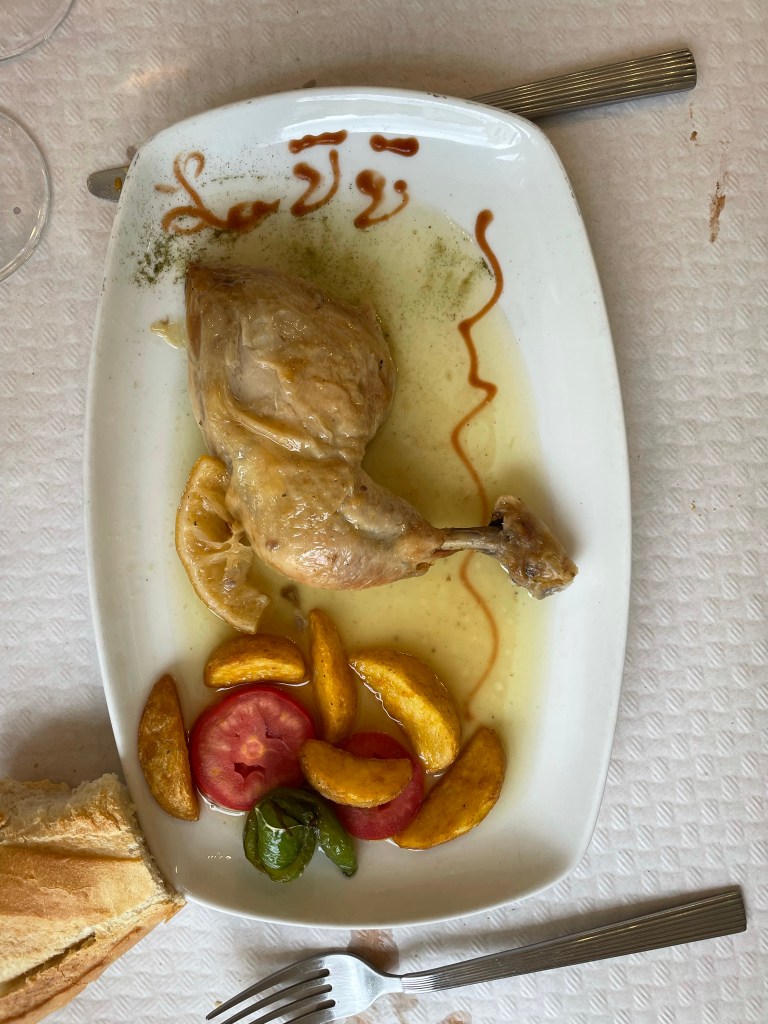
We also continue to find delicious meals at very reasonable prices. We think we have figured out the Spanish eating schedule. When we are finished walking for the day, typically about 2PM, we get to our hotel, clean up and set out to find a value priced “menu del dia”, which is our big meal of the day. Here are pics of todays lunch, which included a choice of starter, an entree, dessert and wine for about $14 each! What a deal.